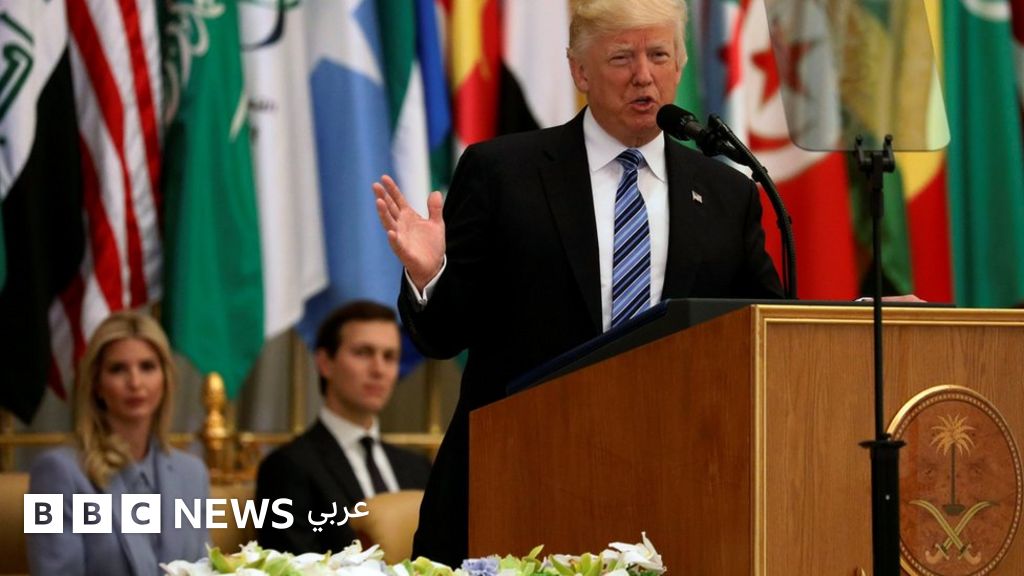
In an unexpected move, former U.S. President Donald Trump has announced his support for Pakistan as a potential mediator in the ongoing dispute between Iran and the United States. This announcement came after comments made by a U.S. senator expressing doubts about Pakistan's ability to play this role. These developments occur at a sensitive time when relations between Washington and Tehran are increasingly strained, raising questions about the possibility of achieving peace in the region.
Trump, who had taken a hardline stance against Iran during his presidency, now seems to be seeking to leverage the historical ties between Pakistan and Iran to ease tensions. He indicated that Pakistan has the capacity to facilitate dialogue between the two sides, despite the skepticism expressed by some political figures in the United States.
Details of Trump's Support
In his recent statements, Trump emphasized that Pakistan could play a significant role in mediation, pointing to the historical relationships between Islamabad and Tehran. However, the comments from the U.S. senator reflecting distrust in Pakistan may spark a broader debate about the country's ability to fulfill this role. It is worth noting that U.S.-Pakistan relations have experienced numerous fluctuations over the years, complicating this issue further.
Pakistan is considered a country of considerable influence in the region, maintaining close ties with both Iran and the United States. However, doubts regarding Pakistan's intentions may hinder mediation efforts. In this context, Trump's support for Pakistan is viewed as a strategic move aimed at reshaping regional dynamics.
Background & Context
Historically, Pakistan and Iran have been neighboring countries sharing numerous political and economic issues. However, their relations have experienced tensions at various times, particularly amid regional rivalries. In recent years, Pakistan has attempted to strengthen its ties with Iran while the United States has imposed sanctions on Tehran.
These statements from Trump are part of a broader strategy aimed at reevaluating how the United States engages with Iran. Amid escalating tensions, Trump seeks to exploit any opportunity to improve relations with Iran through reliable intermediaries.
Impact & Consequences
Trump's remarks could lead to a shift in regional dynamics, potentially opening doors for new dialogue between Iran and the United States. If Pakistan succeeds in playing the role of mediator, it could contribute to alleviating tensions in the region, benefiting all parties involved.
However, the distrust expressed by the U.S. senator may impede these efforts. If such doubts persist, they could exacerbate the situation rather than improve it, complicating relations among the three countries.
Regional Significance
The implications of Trump's support for Pakistan as a mediator extend beyond immediate diplomatic efforts. It signifies a potential shift in how regional players might engage with each other, particularly in the context of U.S.-Iran relations. The historical ties between Pakistan and Iran could be leveraged to foster a more stable environment in a region often characterized by conflict.
In conclusion, Trump's endorsement of Pakistan as a mediator could represent a strategic pivot in U.S. foreign policy, aiming to navigate the complexities of Iranian relations while utilizing Pakistan's unique position in the region.