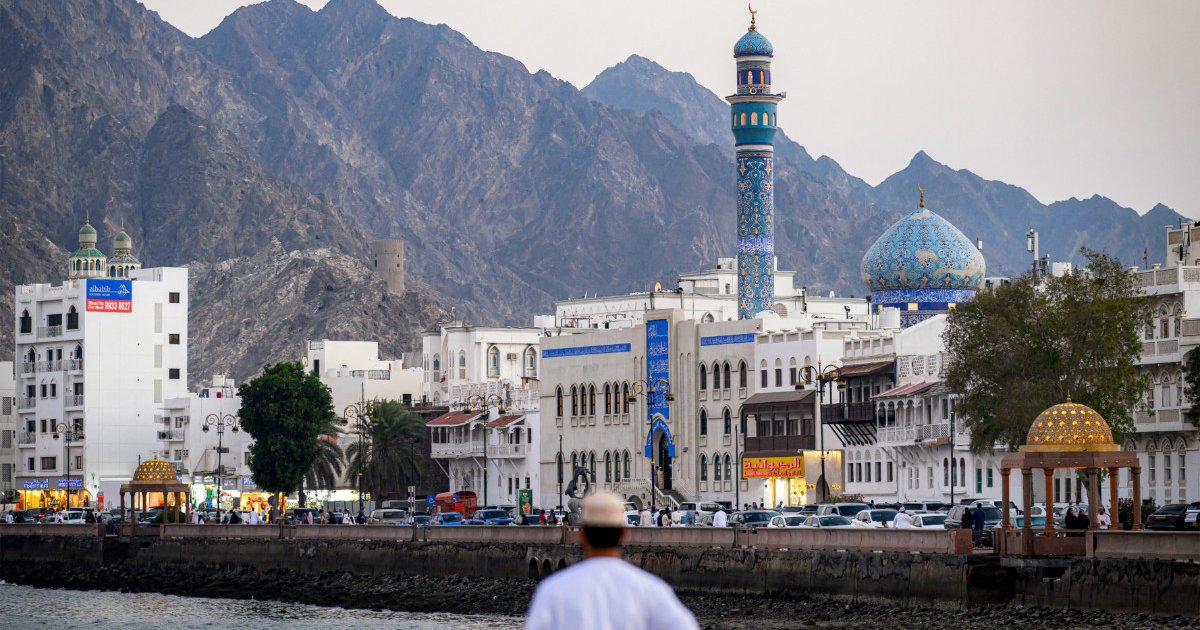
In controversial remarks, U.S. President Donald Trump threatened on Wednesday to attack Oman, reflecting the U.S. administration's displeasure with Oman’s stance amid rising tensions with Iran. This statement was made in the context of discussing the possibility of imposing fees on ships passing through the Strait of Hormuz, which Trump considers a threat to American interests.
Trump stated, "We will open the strait to everyone. No one will control it... It is international waters." He emphasized that Oman must act like other countries, or they will face severe consequences. These comments come at a time when Iran is seeking to impose fees on vessels as part of any settlement to end the war.
Details of the Incident
Oman and Iran are the only two countries with territorial waters in the Strait of Hormuz, which is one of the most important maritime passages in the world. According to the United Nations Convention on the Law of the Sea, countries bordering international straits are prohibited from imposing fees on passing ships. However, legal experts indicate that Iran might find ways to impose fees through "service charges" if Oman cooperates.
Earlier, the Iranian ambassador to France confirmed that Tehran and Oman are working on a plan to end the dispute, complicating the regional situation further. The United States, which has not signed the United Nations Convention on the Law of the Sea, has expressed its dissatisfaction with Oman’s statements regarding the war.
Context and Background
Historically, Oman has played a mediating role in regional conflicts, serving as the main intermediary between the United States and Iran before the Israeli attacks on the Islamic Republic in June 2025. Despite Oman’s attempts to mediate, the attacks occurred while negotiations were ongoing.
Oman, which enjoys good relations with the United States, now faces new challenges amid escalating tensions. In March, the Omani foreign minister warned that the continuation of the war could threaten the United States' standing in the region, noting that "America has lost control of its foreign policy."
Consequences and Impact
Trump's remarks represent a serious escalation in U.S.-Oman relations, which could affect regional stability. Oman, lacking the military power of other Gulf states, may find itself in a difficult position between the major powers in the region.
The escalation in relations could also impact peace efforts in the region, as Oman seeks to maintain its role as a mediator. At the same time, it may complicate relations between the United States and Iran, threatening security in the Strait of Hormuz, through which approximately 20% of the world's oil passes.
Impact on the Arab Region
These developments are particularly significant for Arab countries, as any escalation in tensions could affect the stability of the entire region. Oman, which maintains diplomatic relations with Iran, may face pressure from the United States to side with it in the dispute.
In conclusion, it remains to be seen how events will unfold in the coming days, and whether Oman will be able to maintain its role as a mediator amid these rising tensions.