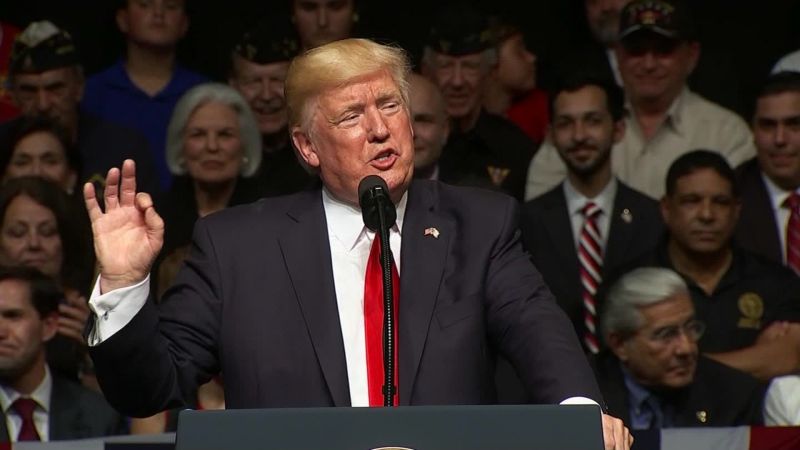
In a controversial speech delivered in Florida, former U.S. President Donald Trump declared that Cuba will be the 'next destination' for the United States, following military successes achieved by Washington in multiple regions. This statement came as Trump showcased his accomplishments during his presidency, discussing military operations carried out by the United States abroad.
Trump emphasized the importance of American military power, stating that the country must remain strong and dominant on the international stage. This statement elicited mixed reactions among his supporters and opponents, with some considering such remarks to reflect an aggressive policy that could escalate tensions in the region.
Event Details
During the election event, Trump highlighted a series of military successes achieved by his administration, pointing to operations targeting terrorist organizations in the Middle East. He also noted that the United States must continue to strengthen its military capabilities to face global challenges, including those posed by Cuba.
Cuba is considered one of the countries that has long been in the crosshairs of U.S. foreign policy, with ongoing tensions between the two nations over the decades. Trump added in his speech that 'the time has come' for the United States to take responsibility in Cuba, raising concerns about the possibility of military or economic actions against the island.
Background & Context
Historically, Cuba has been a focal point of conflict between the United States and the Soviet Union during the Cold War, witnessing the Cuban Missile Crisis in 1962, which nearly led to a nuclear war. Since then, the United States has imposed an economic embargo on Cuba that has lasted for decades, significantly impacting the Cuban economy and the lives of its citizens.
In recent years, relations between Cuba and the United States have seen some thawing, especially during the administration of former President Barack Obama, who took steps toward normalizing relations. However, tensions escalated again under the Trump administration, which took steps to tighten sanctions on Cuba.
Impact & Consequences
Trump's remarks regarding Cuba could lead to heightened tensions between the two countries and may raise concerns among other nations in the region. Any military or economic moves against Cuba could provoke strong reactions from the Cuban government and contribute to increased polarization in international relations.
Furthermore, these statements may influence the upcoming U.S. elections, as Trump seeks to bolster his electoral base by showcasing his military strength. Additionally, these remarks could affect U.S. relations with other Latin American countries, which may view this policy as a threat to regional stability.
Regional Significance
Although Cuba is not part of the Arab world, American statements may raise concerns among Arab nations, particularly those suffering from U.S. military interventions in their affairs. Continued aggressive U.S. policy could lead to increased tensions in other areas, impacting regional stability.
Ultimately, the question remains about how the current U.S. administration will respond to these statements and whether it will take concrete steps toward Cuba or keep matters within the realm of political rhetoric. Developments in this context will continue to attract the attention of observers worldwide.