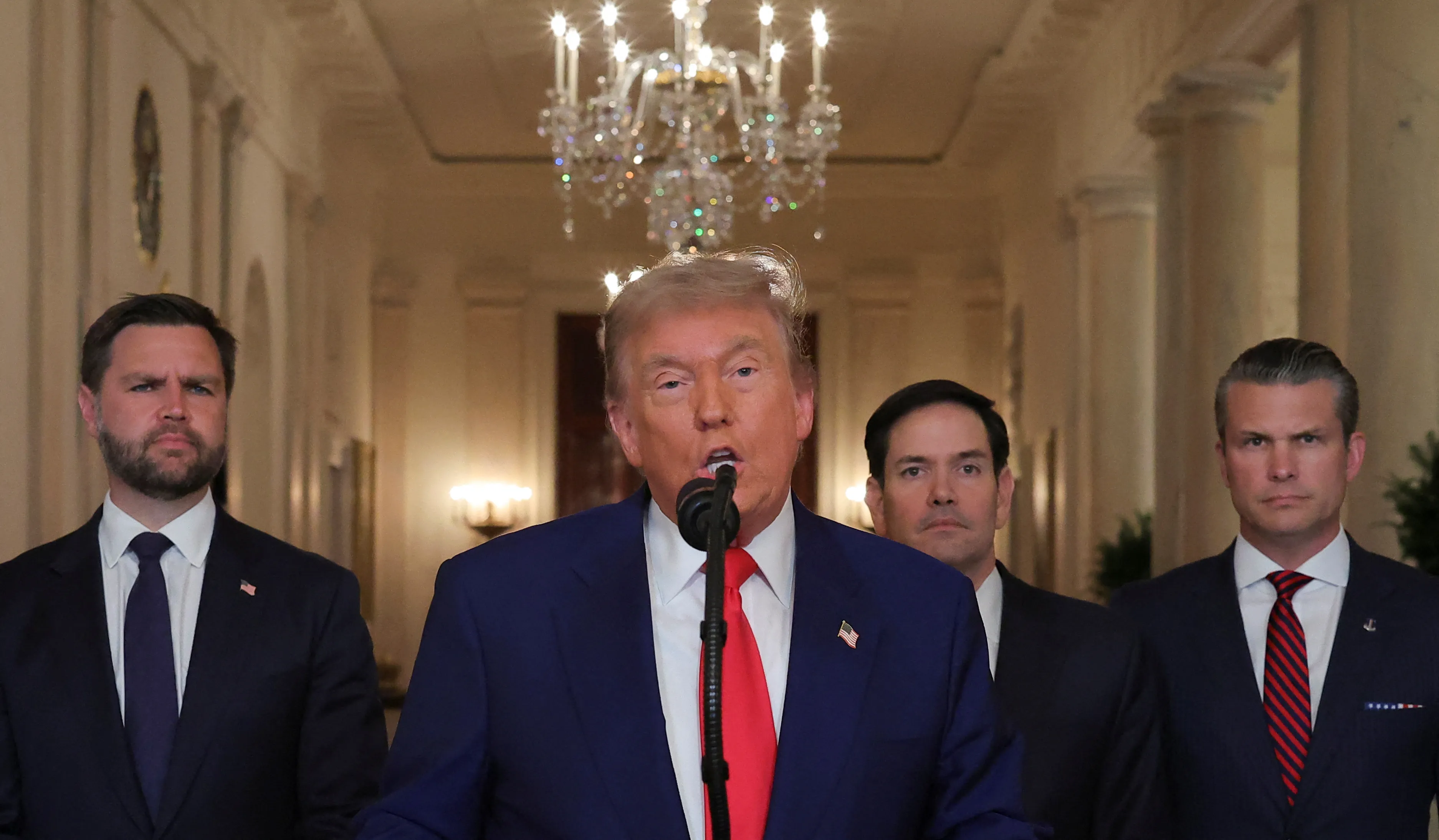
Former U.S. President Donald Trump has threatened to destroy Iranian energy facilities if an agreement regarding Tehran's nuclear program is not reached. These statements are part of Trump's escalating rhetoric towards Iran, as he seeks to pressure the Iranian government to return to the negotiating table.
These threats come at a time when fears of escalating tensions in the region are increasing, especially after Iran resumed its nuclear activities beyond what was permitted under the 2015 nuclear agreement. Trump, who withdrew from this agreement in 2018, believes that military pressure may be the only means to compel Iran to adhere to new conditions.
Details of the Event
During remarks made at a press conference, Trump asserted that the United States must be prepared to take strict actions if Iran continues to ignore international demands. He stated that destroying Iranian energy facilities would be an option if an agreement ensuring Iran does not develop nuclear weapons is not reached.
Trump did not specify whether he meant to imply direct military strikes, but he indicated that the United States has the capability to do so. These statements come at a sensitive time, as tensions between Iran and the United States are rising, alongside increasing military activities in the region.
Background & Context
Historically, relations between the United States and Iran have been tense since the 1979 Islamic Revolution. Trump's withdrawal from the nuclear agreement in 2018 led to the re-imposition of strict economic sanctions on Iran, significantly impacting its economy. Since then, Iran has increased its nuclear activities, raising concerns within the international community.
In recent years, the region has witnessed an escalation of tensions, with Iran supporting armed groups in Iraq, Syria, and Lebanon, heightening fears of a comprehensive military conflict. Under these circumstances, Trump's remarks appear to be part of a broader strategy to exert pressure on Iran.
Impact & Consequences
Trump's threats could lead to an escalation of tensions in the region, increasing the risk of military conflict. Should any attack on Iranian facilities be executed, Iran may respond forcefully, potentially leading to unprecedented escalation in the conflict.
Furthermore, these statements may affect U.S. relations with its allies in the region, who may feel concerned about the repercussions of any military action. The escalation could also impact global oil markets, as Iran is one of the world's largest oil producers.
Regional Significance
The tensions between the United States and Iran are a sensitive issue for many Arab countries, especially those that share borders with Iran or are directly affected by its interventions in regional affairs. Countries like Saudi Arabia and the United Arab Emirates may be apprehensive about any military escalation, as it could destabilize the region.
At the same time, some armed groups in the region may exploit these tensions to enhance their influence and increase their activities, further complicating the security situation in the Middle East.
In conclusion, Trump's statements serve as a reminder that tensions between the United States and Iran remain a vital issue affecting security and stability in the region. The international community must work towards finding diplomatic solutions to avoid military escalation that could have dire consequences.