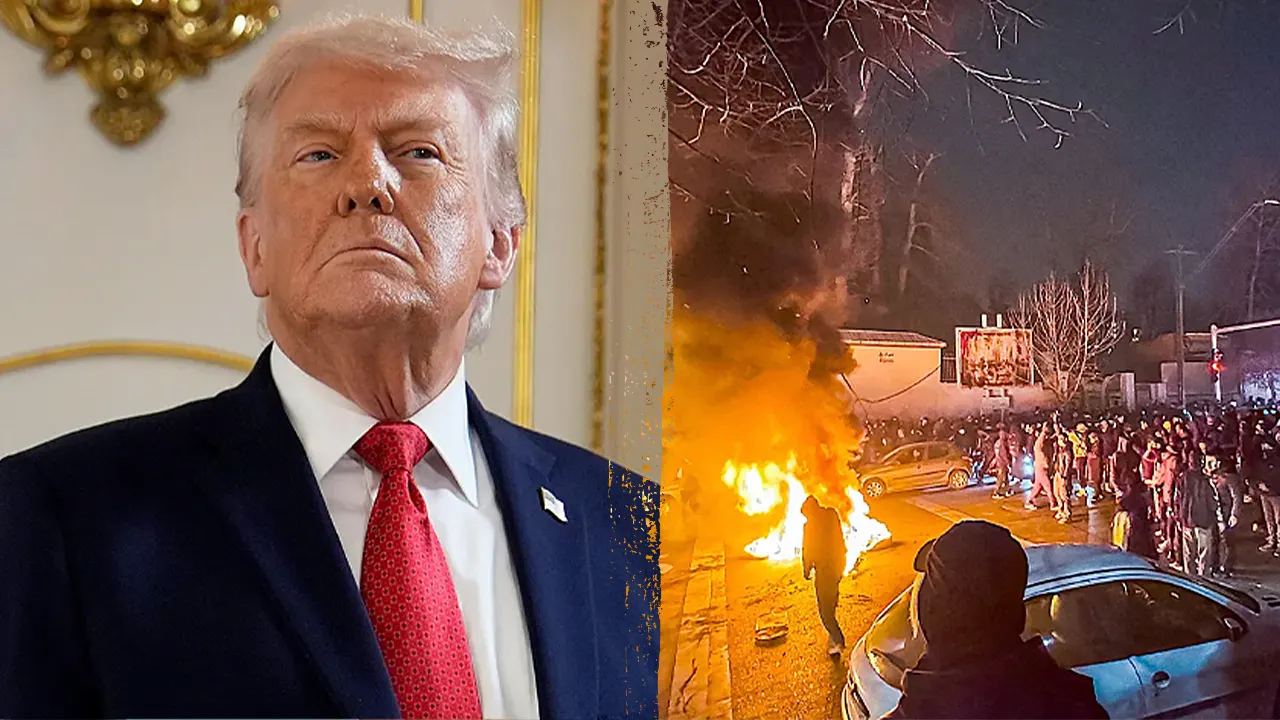
Former U.S. President Donald Trump has threatened to destroy Iran's civilian infrastructure, stating that this would be the available option if a deal is not reached soon. These remarks come amid escalating military tensions between the United States and Iran, as the two nations exchange attacks, raising concerns about the impact on global energy supplies and financial market stability.
While the current U.S. administration seeks to revive the nuclear deal with Iran, Trump appears to be pressuring the current government to make greater concessions. These statements could complicate negotiations further, putting Iran in a defensive position, which may lead to greater escalation in the region.
Details of the Incident
In his recent statements, Trump emphasized that the military option remains on the table and that he would not hesitate to take drastic measures if Iran continues to develop its nuclear program. He also indicated that Iranian infrastructure, including oil and gas facilities, would be a potential target if a swift agreement is not reached.
These threats come at a sensitive time, as global markets are experiencing sharp fluctuations due to geopolitical crises. Reports have indicated that any military escalation in the region could lead to a significant rise in oil prices, which would affect the global economy as a whole.
Background & Context
Historically, U.S.-Iranian relations have seen increasing tensions since the United States withdrew from the nuclear deal in 2018. This withdrawal led to the imposition of severe economic sanctions on Iran, significantly impacting its economy. In recent years, mutual attacks between the two sides have escalated, heightening tensions in the region.
There are also concerns that any military escalation could lead to a broader conflict in the Middle East, where other regional and international powers are present. It is known that Iran has allies in the region, which could complicate any U.S. military intervention.
Impact & Consequences
Trump's recent statements could lead to increased tensions in the region, potentially negatively impacting regional stability. If Iran continues to develop its nuclear program, the United States may find itself compelled to take more drastic steps, raising the likelihood of military conflict.
Moreover, the impact of these tensions on energy markets will be tangible, as any attacks on Iranian oil facilities could lead to a significant rise in oil prices, affecting the global economy and increasing the cost of living in many countries.
Regional Significance
Neighboring Arab countries are in a precarious position, as they may be directly affected by any military escalation. Many of these countries rely on stable oil prices, and any escalation could increase tensions in energy markets.
There are also fears that the conflict could lead to an influx of refugees into Arab countries, further increasing the economic and social burdens in those nations. Under these circumstances, Arab countries must be prepared to face any potential repercussions.
In conclusion, the situation in Iran and the American threats remain a significant concern for the region and the world. Military escalation could lead to dire consequences, necessitating urgent diplomatic efforts to avoid conflict.