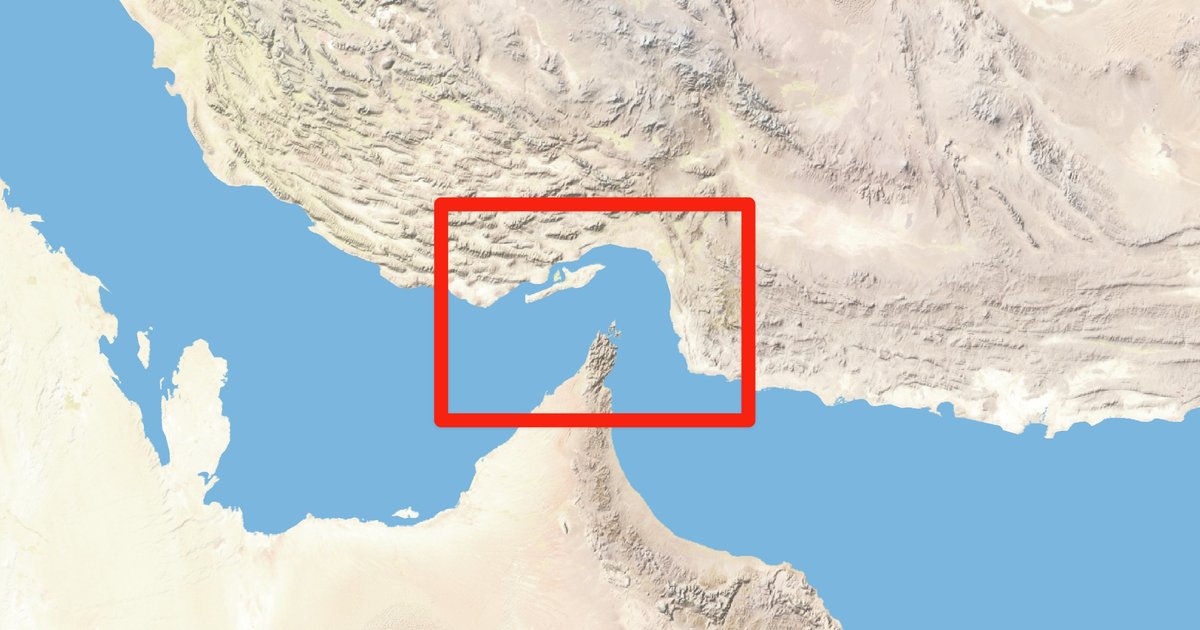
In a serious escalation of tensions in the Gulf region, U.S. President Donald Trump threatened to launch military strikes against Iran if the Strait of Hormuz is not opened by Tuesday. These threats have raised concerns in Asian markets, with oil prices rising at the start of trading, while bonds fell and stocks showed mixed performance.
As the deadline set by Trump approaches, oil prices have surged, with Brent crude futures rising by 1.4% to reach $110.58 per barrel. This increase follows an agreement by OPEC+ to raise oil production quotas by 206,000 barrels per day for May.
Details of the Threat
Trump indicated that failure to open the strait would lead to what he termed a "day of destruction," where the U.S. military would bomb Iranian electrical facilities. These statements come at a sensitive time, as financial markets are closely monitoring any developments that could affect regional stability.
At the same time, futures for the S&P 500 index fell by 0.2%, while the MSCI index for Asian stocks rose by 0.5%. The Japanese Nikkei 225 index saw an increase of 1.2%, while the South Korean Kospi index gained 2%.
Background & Context
Historically, the Strait of Hormuz is one of the most important waterways in the world, through which approximately 20% of global oil passes. Tensions between the United States and Iran are not new, with recent years witnessing a rise in military and political tensions between the two sides, directly impacting the stability of global oil markets.
It is noteworthy that these American threats come at a time when Iran is suffering from significant economic pressures due to imposed sanctions, further complicating the situation in the region.
Impact & Consequences
American threats could lead to military escalation in the region, which may further impact oil prices. Should any escalation occur, we could witness a sharp rise in oil prices, affecting the global economy, particularly in countries that heavily rely on oil imports.
Additionally, these tensions could increase instability in financial markets, as investors turn towards safe assets like gold. At the same time, forecasts suggest that the U.S. Federal Reserve may also be affected by these developments, potentially impacting monetary policy in the United States.
Regional Significance
For Arab countries, the escalation of tensions in the Gulf could negatively impact their economic stability. Many Arab nations depend on oil exports, and any increase in oil prices could have adverse effects on their economies.
Moreover, these tensions could lead to heightened security risks in the region, which may affect foreign investments and increase economic challenges.
In conclusion, American threats to Iran represent a turning point in international relations in the region, necessitating close monitoring by investors and decision-makers.