Tensions between Iran on one side and Israel and the United States on the other have reached a new level of escalation, following former U.S. President Donald Trump's direct threat to deliver a heavy blow to Iranian energy facilities, which are crucial for the country.
This threat comes at a sensitive time, as Iran faces significant economic challenges due to U.S. sanctions, complicating the situation further in the region. In a potentially calculated response, Iran announced that it has four immediate options to handle any attacks targeting its electricity stations.
Details of the Incident
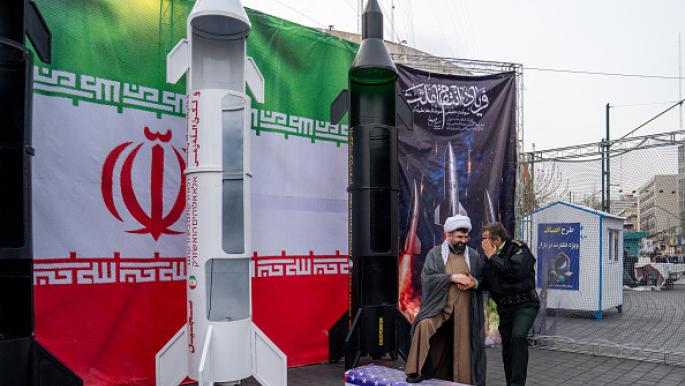
In recent months, Iran has intensified military operations and maneuvers, which it considers preparations for any potential attack. The threat issued by Trump is one of the strongest statements made by a former U.S. official towards Iran, stating that Iranian power plants would be in the crosshairs if Iranian activities deemed hostile by Washington continue.
Reactions from Iranian officials were swift, confirming that they have specific plans that would make the United States pay a price for any aggression on their territory. These remarks reflect the increasingly strained relations between the two sides, especially amidst political shifts in the United States.
Background & Context
U.S.-Iranian relations have historically been strained and have worsened since the U.S. withdrawal from the nuclear agreement in 2018. The sanctions imposed on Iran have significantly impacted the Iranian economy, prompting the country to seek to bolster its military deterrence.
On the other hand, Israel, which views Iran as an existential threat, continues to launch campaigns against Iranian activities in the region, reflecting a state of instability in the Middle East. Concerns have increased about the possibility of a broader conflict should tensions escalate.
Impact & Consequences
If actual discussions crumble or military escalation occurs, it will increase instability in the region, especially given its effect on global energy markets. There are fears that any attacks could provoke a military response from Iran, which would exacerbate tensions between the conflicting parties.
Additionally, rising tensions between Iran and the U.S. carry significant implications for future regional relations, potentially leading to new alliances and uncalculated confrontations. This places the Middle East at the heart of political and military discussions, threatening many international interests.
Regional Significance
The U.S.-Iran conflict is no longer local but has regional repercussions that directly affect Arab states, some of which are concerned about being caught within the circles of conflict. The crisis could lead to military escalation, negatively impacting peace and security in the region.
Furthermore, the ongoing tensions between America and Iran may lead to a military confrontation that could reshape the security landscape in the Middle East, posing new challenges for Arab states on how to manage this unstable situation. In this context, the eyes of citizens in Arab countries remain fixated on developments that might affect their lives.
In conclusion, this escalation between Iran and the U.S. places the international arena under severe watch. It prompts major powers to reconsider their strategies toward the region and seek diplomatic solutions to end this ongoing dispute.