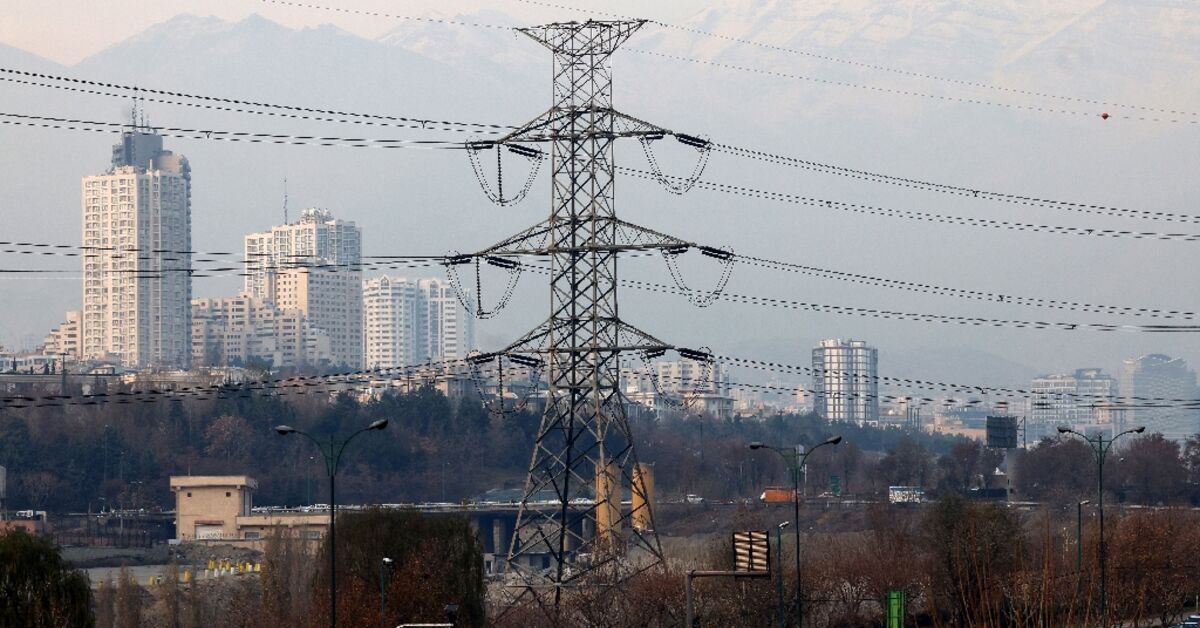
U.S. President Donald Trump has threatened to destroy Iranian power stations and bridges, raising concerns about the worsening humanitarian situation in the country. These threats come at a time when the conflict is witnessing a notable escalation, with increasing pressure on Iran from the United States and its allies.
In light of these threats, experts indicate that targeting power stations could have dire consequences, not only on a military level but also on a humanitarian one. The destruction of energy infrastructure would lead to power and water outages, exacerbating the suffering of civilians in Iran.
Details of the Incident
In recent weeks, Iran has experienced a series of airstrikes targeting energy facilities, including gas production plants and oil depots. These attacks, carried out by the United States and Israel, have focused on vital infrastructure, raising concerns that military escalation could provoke retaliatory responses from Tehran.
Power stations in Iran are considered strategic assets that the country relies on to meet its energy needs. If targeted, this would worsen the economic and social conditions, potentially pushing the Iranian government to take more severe military actions.
Background & Context
Historically, relations between the United States and Iran have been tense for decades, especially following the Islamic Revolution in 1979. These relations have seen a notable escalation in recent years, particularly after the U.S. withdrawal from the Iranian nuclear deal in 2018. This withdrawal led to the imposition of stringent economic sanctions on Iran, significantly impacting its economy.
In this context, Trump's recent threats come as part of a pressure strategy aimed at forcing Iran to change its regional behavior. However, this strategy could backfire, as it may drive Iran to take retaliatory actions that could affect the stability of the entire region.
Impact & Consequences
If Trump's threats are carried out, it could lead to significant military escalation in the region. Experts warn that such attacks would result in a severe humanitarian crisis, with civilians in Iran facing substantial harm. Additionally, a potential Iranian response could involve targeting U.S. interests in the region, further heightening tensions.
Moreover, such escalations could impact global oil prices, as Iran is one of the largest oil producers in the world. Any disruptions in Iranian oil production could lead to price increases, affecting the global economy.
Regional Significance
Neighboring Arab countries find themselves in a sensitive position, as any military escalation could directly affect their security and stability. Many Arab nations, especially those with ties to the United States, are closely monitoring the situation, as any escalation could have security and economic repercussions for the region.
Furthermore, the deteriorating humanitarian conditions in Iran could lead to refugee flows into neighboring countries, increasing pressure on these nations. Therefore, the situation requires urgent international attention to prevent further deterioration.