U.S. positions on the possibility of reaching a deal to halt the war against Iran vary, with Secretary of State Marco Rubio expressing optimism, while President Donald Trump threatens to destroy Khark Island and Iranian energy facilities if an agreement is not reached.
In provocative statements, Trump asserted that the United States would not hesitate to use military force if Iran continues to ignore American demands. This threat comes at a sensitive time, as fears of escalating conflict in the region grow, particularly with increasing Iranian military activities.
Details of the Event
During a press conference, U.S. Secretary of State Marco Rubio expressed hope for the possibility of reaching an agreement with Iran, indicating that there are opportunities for negotiation. However, Trump's statements reaffirm his hardline stance, stating, "If we do not reach an agreement, we will be forced to take more severe steps." These remarks raise concerns among observers, who believe that military threats could lead to undesirable escalation.
On the other hand, Iranian Foreign Ministry spokesman Ismail Baqaei responded to these threats, indicating that the United States is adopting unrealistic demands. He emphasized that Iran will not back down from its sovereign rights and that any threats will not affect its position.
Background & Context
Historically, U.S.-Iranian relations have seen increasing tensions since the United States withdrew from the nuclear agreement in 2018. Since then, Washington has imposed strict economic sanctions on Tehran, leading to a deterioration of the Iranian economic situation. In response, Iran has intensified its nuclear program and expanded its influence in the region.
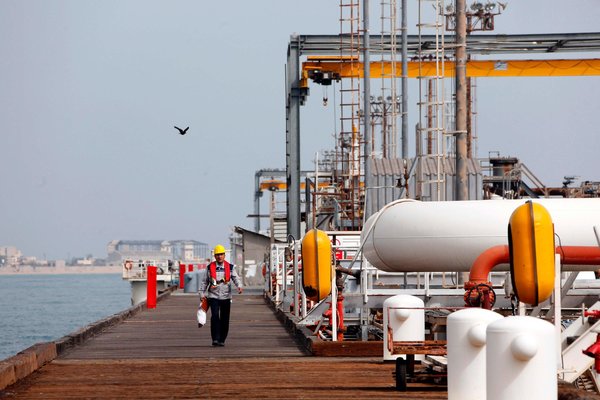
Khark Island, located in the Arabian Gulf, is a vital center for Iranian oil exports, making it a strategic target in any potential conflict. The island has witnessed increasing tensions in recent years, as it hosts critical energy facilities.
Impact & Consequences
If U.S. threats continue, this could lead to military escalation in the region, affecting the stability of Gulf states. Furthermore, any attack on Iranian energy facilities could cause a rise in global oil prices, impacting the world economy.
Moreover, these statements may strengthen the internal position of the Iranian government, as they can be used as a means to unify ranks against what is perceived as an external threat. At the same time, this could increase tensions between Iran and Western countries, complicating future negotiation efforts.
Regional Significance
The current developments in U.S.-Iranian relations are of great importance to Arab countries, especially those close to the Gulf. The escalation of tensions could lead to security and economic repercussions for these nations, necessitating precautionary measures to address any potential escalation.
Additionally, any military escalation could affect maritime navigation in the Gulf, negatively impacting international trade. Therefore, Arab countries are closely monitoring these developments, as they consider the stability of the region closely linked to shifts in U.S.-Iranian relations.
In conclusion, the situation in the region remains tense, with growing fears of military escalation that could affect everyone. Reaching an agreement that ensures peace and stability is the best option, but mutual threats may complicate this path.