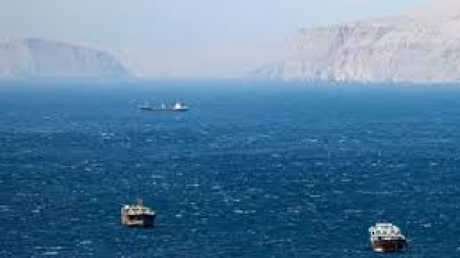
U.S. President Donald Trump voiced his profound concern over the possibility of the Strait of Hormuz being closed, warning that this action could lead to severe repercussions, potentially resulting in the erasure of 'Iran's entire civilization.' These statements emerge at a time when the strait, considered one of the most crucial maritime passages in the world, is experiencing heightened tensions due to geopolitical events in the region.
The Strait of Hormuz serves as a vital artery for oil transportation, with approximately 20% of the world’s total oil passing through it. Should it be closed, it would result in a significant spike in oil prices, adversely affecting the global economy and escalating tensions among major nations.
Details of the Event
Trump's remarks come at a sensitive time, as threats from Iran regarding the closure of the strait have increased in response to ongoing U.S. pressures. Reports indicate that Iran may take escalatory steps if the sanctions imposed on it continue, raising fears of a military conflict in the region.
Trump, who is seeking to bolster his position in the upcoming presidential elections, is using these statements as a means to pressure Iran, warning that any attempt to close the strait would meet with a strong reaction from the United States. These comments also reflect American concerns about the impact of any military escalation on U.S. economic interests in the region.
Background & Context
Historically, the Strait of Hormuz has witnessed numerous crises, serving as a stage for military conflicts between Iran and Western nations. In the 1980s, the strait was the site of a naval war between Iran and Iraq, as well as several incidents that led to tensions between Iran and the United States.
Iran views the Strait of Hormuz as part of its sovereignty and considers any attempt to close it as an infringement on its rights. Conversely, the United States and its allies regard freedom of navigation in the strait as vital for global economic security, complicating the situation further.
Impact & Consequences
If tensions continue to escalate, it could lead to a significant increase in oil prices, impacting the global economy. Furthermore, any military escalation could result in direct U.S. military intervention, complicating the situation in the region even more.
Moreover, any closure of the strait would affect neighboring countries, including Gulf states that heavily rely on oil exports. This scenario could destabilize the region and heighten tensions among nations.
Regional Significance
The Arab Gulf states are among the most affected by Trump's statements, as any escalation in tensions could have negative repercussions on their economies. Additionally, the situation may impact relations between Arab nations and Iran, complicating the political landscape in the region.
Ultimately, the question remains as to how the international community will address these tensions and whether there is a possibility of reaching a peaceful resolution that ensures freedom of navigation in the strait and prevents another military conflict in the region.