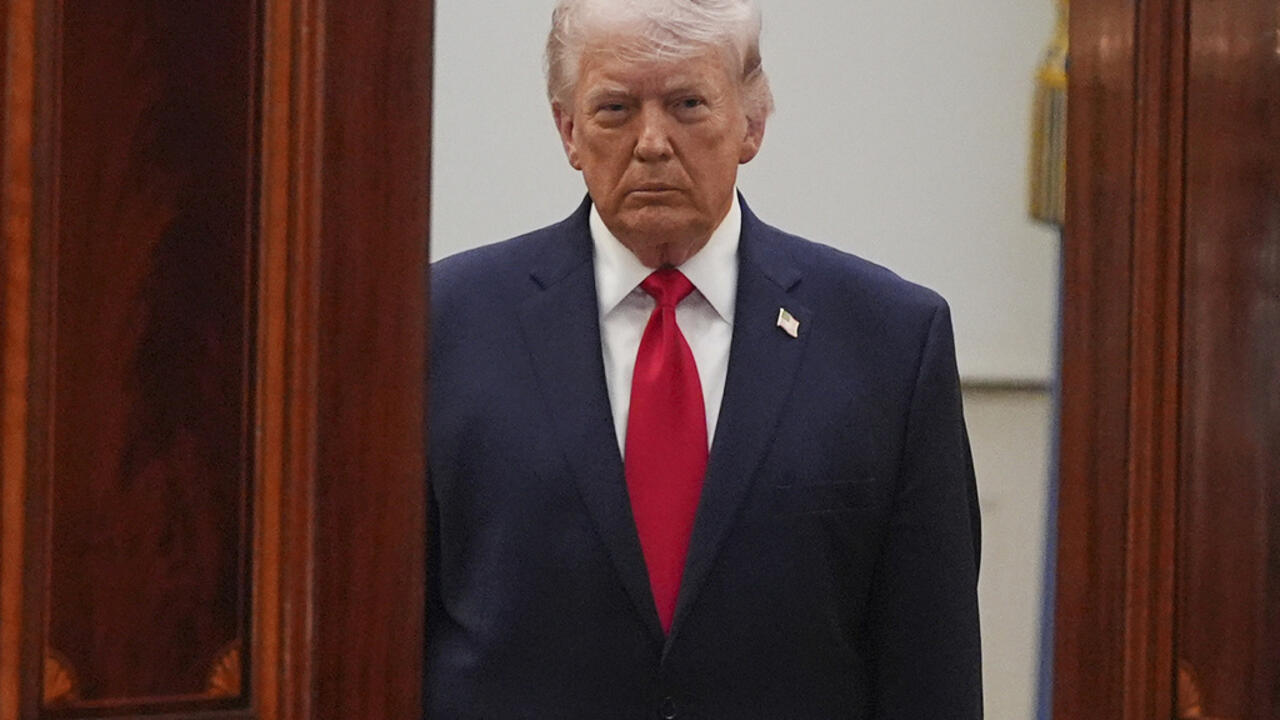
U.S. President Donald Trump directed direct threats at Iranian leaders, labeling them as "dirty rogues" and demanding they open "that damned strait," referring to the Strait of Hormuz. This statement followed the rescue of an American pilot who had gone missing during a military operation, with reports indicating that airstrikes targeted areas in southwestern Iran, resulting in the deaths of five individuals.
Speaking at a press conference, Trump emphasized that Iran would face severe consequences if it did not comply with his demands. These comments come at a particularly sensitive time, as tensions between the United States and Iran are on the rise, heightening fears of a potential military escalation in the region.
Details of the Incident
On the night between Saturday and Sunday, U.S. forces conducted airstrikes in southwestern Iran while searching for the American pilot who had lost his life after his plane crashed. Iran confirmed that it had shot down the aircraft, further intensifying tensions between the two sides. Following the operation, the pilot was rescued, but the strikes resulted in the deaths of five people, provoking angry reactions from Tehran.
Trump, who did not hesitate to use harsh language, asserted that Iran would experience "hell" if it did not respond to his demands. These statements reflect the current U.S. administration's policy towards Iran, characterized by increased pressure and sanctions.
Background & Context
Tensions between the United States and Iran are not new, as recent years have seen a significant escalation in the conflict between the two sides, especially following the U.S. withdrawal from the Iranian nuclear deal in 2018. Since then, Washington has imposed stringent sanctions on Tehran, severely impacting its economy.
Historically, the Strait of Hormuz is considered a vital strategic point, through which approximately 20% of the world's oil supplies pass. Any escalation in tensions in this region could significantly affect global energy markets, increasing concerns among consuming nations.
Impact & Consequences
Trump's statements and the airstrikes could lead to greater escalation in the conflict, increasing the likelihood of a direct military confrontation between the United States and Iran. Such escalation could impact stability in the Middle East, exacerbating tensions among neighboring countries.
Moreover, these events may affect global oil prices, as crude oil prices have seen a notable increase in recent trading sessions. Any escalation in the region will raise concerns about energy supplies, potentially driving prices even higher.
Regional Significance
The current events in Iran and the U.S. threats have significant implications for neighboring Arab countries. Many nations in the region rely on the stability of the Strait of Hormuz to ensure energy supplies, and any escalation could destabilize these countries.
Furthermore, rising tensions may lead to strengthened regional alliances, as Arab nations seek to enhance their security in the face of Iranian threats. These dynamics could reshape relationships among countries in the region.
In conclusion, the situation in Iran and the Strait of Hormuz remains under close observation, as fears of military escalation grow, potentially impacting security and stability across the entire region.