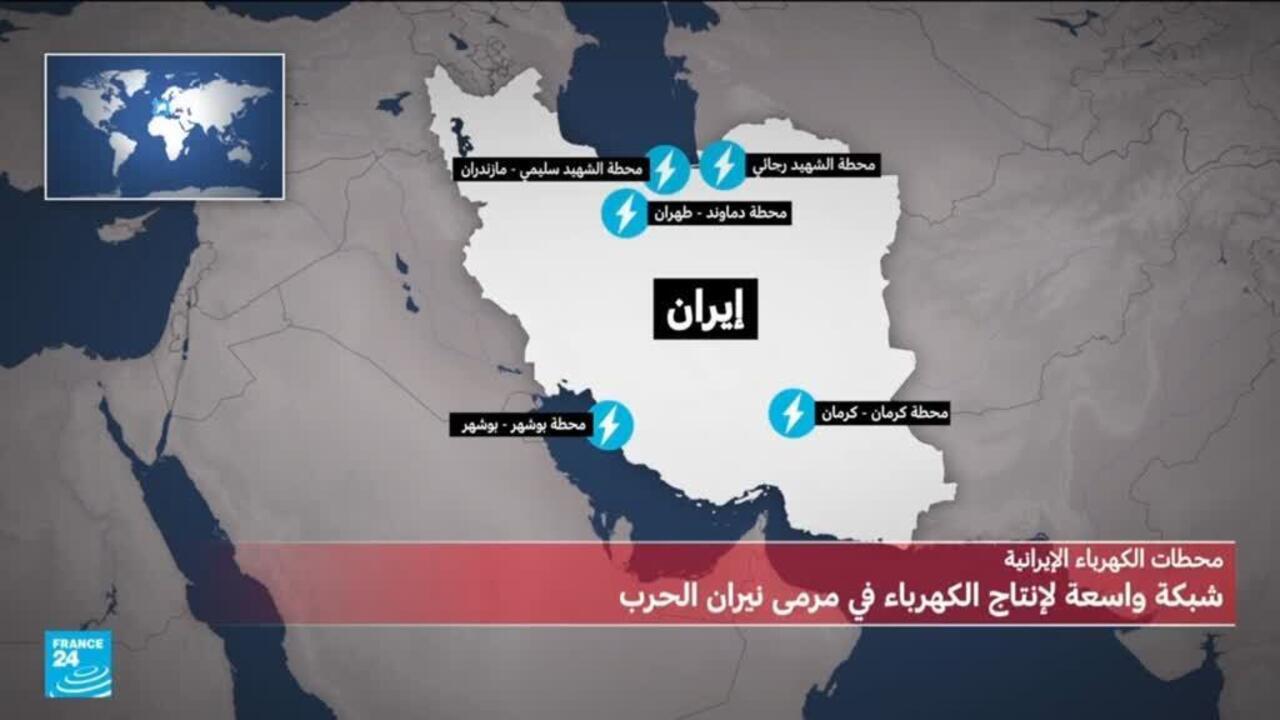
U.S. President Donald Trump has renewed his threats against Iran, indicating that he would bomb its power stations and bridges if the Strait of Hormuz is not reopened. In a post on his Truth Social platform, Trump stated, "Tuesday will be the day of power stations and bridges, all in one package, in Iran. There will be nothing like it!!!" He added sharply, "Open the damn strait, you crazy bastards, or you will live in hell."
These threats come at a sensitive time, as the Strait of Hormuz is a vital transit point for oil and natural gas from Gulf countries to global markets. Any closure of this strait could lead to a significant rise in oil prices, impacting the global economy.
Details of the Event
Tensions between the United States and Iran are escalating amid rising political and military crises in the region. Trump's threat to bomb Iranian facilities reflects the maximum pressure policy his administration has adopted towards Tehran. This policy aims to force Iran back to the negotiating table regarding its nuclear program and regional behavior.
In recent years, U.S.-Iranian relations have significantly deteriorated, especially following the U.S. withdrawal from the nuclear agreement in 2018. Since then, Washington has imposed stringent economic sanctions on Iran, severely affecting its economy.
Background & Context
The Strait of Hormuz is considered one of the most important waterways in the world, through which approximately 20% of the world's oil passes. Any threats to close or target it could have serious repercussions on the global economy. In recent years, the region has witnessed numerous incidents that have heightened tensions, including attacks on oil tankers.
Historically, Iran has used the Strait of Hormuz as a means to pressure Western countries, especially during times of political tension. Trump's threats come at a critical time, as Iran seeks to enhance its influence in the region, complicating the security landscape further.
Impact & Consequences
If Trump's threats are carried out, it could lead to significant military escalation in the region. Iran is likely to respond to any attack on its vital facilities, potentially leading to widespread conflict. This escalation could greatly impact global oil markets, with prices expected to rise sharply in the event of any hostilities.
Additionally, these threats may increase tensions between the United States and its allies in the region, as some countries may find themselves compelled to side with either Iran or the United States, further deepening political divides in the area.
Regional Significance
Arab Gulf countries are among the most affected by the tensions between the United States and Iran. Any military escalation could impact security and stability in these nations, potentially leading to a flow of refugees and increased internal tensions.
The rise in oil prices due to any escalation could also affect the economies of these countries, which heavily rely on oil revenues. Therefore, the current situation requires significant caution from all parties involved.
In conclusion, the situation in the region remains tense, and the international community must work to calm the circumstances and avoid any military escalation that could lead to dire consequences.