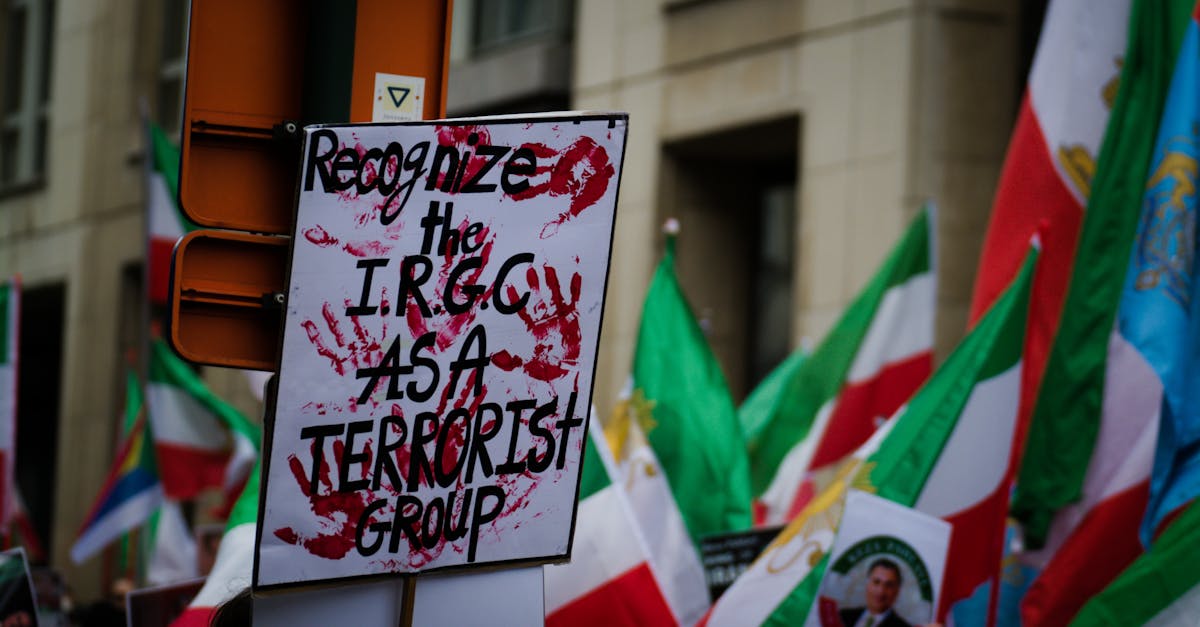
In a rapidly evolving situation in the Middle East, U.S. President Donald Trump has issued a stark warning regarding the potential targeting of civilian infrastructure in Iran if a peace agreement is not finalized within 24 hours. These comments come at a critical juncture as both parties are striving to conclude a conflict that has persisted for five weeks.
Trump reiterated the necessity of reopening the Strait of Hormuz by 8 PM, cautioning that the United States would destroy every bridge and power station within four hours if this deadline is not met. This warning reflects an escalation in the rhetoric of the U.S. administration towards Iran, which is under increasing pressure to cease hostilities.
Details of the Situation
Attention is now focused on the negotiations between the United States and Iran, as a potential framework for ending the conflict is being evaluated. While Washington is pressuring Tehran to reopen the strait under a temporary ceasefire, Iran has rejected the U.S. proposal and instead presented a ten-point plan that includes ending hostilities in the region, a protocol for safe passage through the strait, lifting sanctions, and reconstruction efforts.
Trump responded to the Iranian proposal by stating, "They have made an important proposal. It’s not good enough, but they have taken a significant step. We will see what happens." These remarks reflect a state of tension and anticipation in global markets.
Background & Context
Historically, the Strait of Hormuz is a vital point in global trade, with approximately 20% of the world's oil passing through it. The current conflict between the United States and Iran highlights the importance of this waterway, which has seen increasing tensions in recent years, particularly following the U.S. withdrawal from the Iranian nuclear deal in 2018.
Iran is seeking to bolster its regional position by enhancing its military capabilities, raising concerns in Washington. In response, the U.S. administration has adopted a maximum pressure policy on Tehran, complicating peace efforts.
Impact & Consequences
The recent escalation in tensions between the United States and Iran could significantly impact global financial markets. Oil prices have surged, with West Texas Intermediate crude futures rising by 0.7% to $113.25 per barrel, while Brent crude prices increased by 0.68% to $109.77 per barrel. This increase reflects investor fears regarding the potential impact of the conflict on global energy supplies.
Asian markets are also poised to open higher, influenced by gains on Wall Street. The Nikkei 225 index in Japan is expected to see gains, reflecting investor optimism despite geopolitical tensions.
Regional Significance
The current developments in the U.S.-Iran conflict are particularly significant for Arab nations, as any escalation could affect regional stability. Gulf countries, which heavily rely on oil exports, are closely monitoring the situation, as any closure of the Strait of Hormuz could lead to price increases and impact the global economy.
In light of these circumstances, it is crucial for Arab nations to remain cohesive and work towards enhancing regional cooperation to address potential challenges. Diplomatic dialogue remains the best option to avoid escalating the conflict.