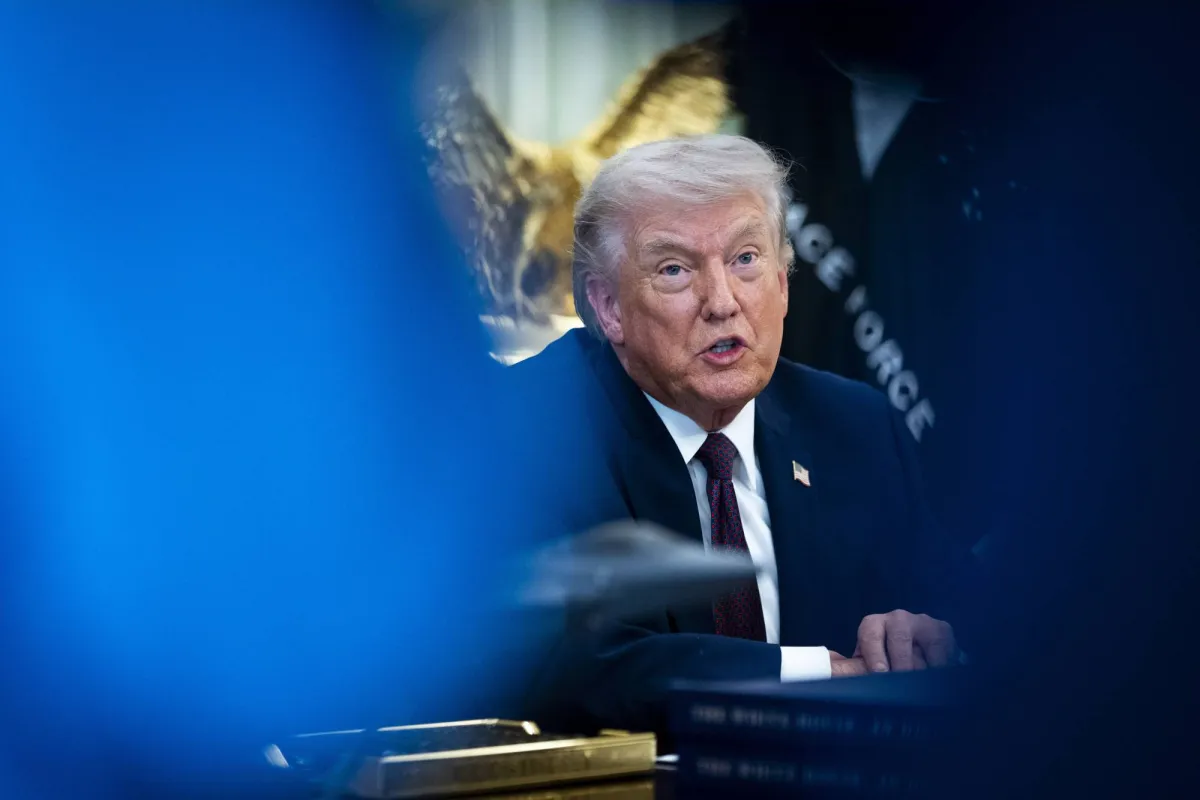
On Easter morning, U.S. President Donald Trump issued new threats against Iran, warning of military strikes on energy facilities and bridges if the Strait of Hormuz is not opened. This comes after the rescue of a missing pilot from Iranian mountains, boosting Trump's resolve to escalate his rhetoric towards Tehran.
In a tweet, Trump stated that Tuesday would be "Energy Facilities Day and Bridge Day," using harsh language to threaten Iran. He wrote: "Open the damned strait, or you will live in hell," reflecting a noticeable escalation in his tone towards the Iranian regime.
Details of the Event
Trump's threats come at a sensitive time, as tensions between the United States and Iran are rising, especially after Tehran imposed fees on ships passing through the strait. Trump indicated that Iran might need "20 years" to rebuild its infrastructure if the confrontation continues. Democratic Senator Chris Murphy described Trump's statements as "completely insane," warning of the dire consequences that could follow.
Iran occupies a strategic position in the region, with approximately 20% of global oil supplies passing through the Strait of Hormuz. Tehran has shown a willingness to disrupt navigation in the strait, complicating the security situation in the area.
Background & Context
Historically, the Strait of Hormuz has been a focal point for political and military conflicts, witnessing numerous tensions between Iran and the United States. In recent years, Iran has increased its use of control over the strait as a pressure tool in negotiations with major powers, making it a significant card in the ongoing conflict.
The United States aims to undermine Iran's nuclear capabilities through its threats while ensuring the security of navigation in the Gulf. At the same time, Iran seeks to maintain its influence in the region, increasing the likelihood of military escalation.
Impact & Consequences
Analyses suggest that escalating threats could provoke military responses from Iran, potentially opening the door to a broader conflict in the region. Targeting Iranian infrastructure could lead to widespread humanitarian impacts, especially if critical facilities such as power and water stations are affected.
In this context, several countries have warned of the consequences of escalation, with Russia calling for a return to the negotiating table, while Pakistan has expressed its readiness to mediate between the two sides.
Regional Significance
The escalation between the United States and Iran poses a threat to security and stability in the Arab region, as any military confrontation could have negative repercussions on neighboring countries. Additionally, rising energy prices due to disruptions in the Strait of Hormuz could impact Arab economies that rely on oil.
In conclusion, the question remains whether U.S. threats will lead to military escalation or open the door for new negotiations. Under these tense circumstances, the international community must work to de-escalate tensions and ensure regional stability.