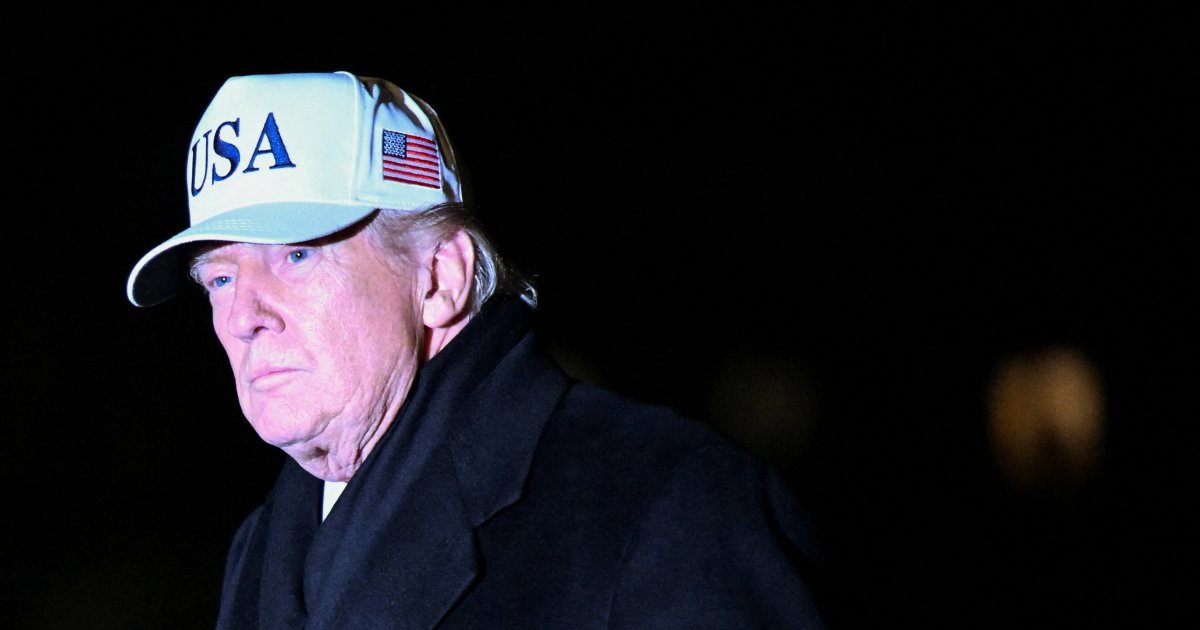
In a new escalation of his rhetoric towards Iran, U.S. President Donald Trump stated on Monday that the Iranian government will face dire consequences if it does not reach an agreement by the deadline he has set, which expires tomorrow, Tuesday.
Trump expressed his dissatisfaction with the Iranian proposal, noting that while he considers it an important step, it does not meet the necessary requirements. He stated, "They have made an important proposal, but there must be more progress to achieve a comprehensive agreement."
Details of the Situation
Trump's remarks come at a sensitive time, as international pressure on Iran to comply with global demands regarding its nuclear program is increasing. He indicated that the set deadline reflects the seriousness of the U.S. administration in addressing the Iranian file, warning that failure to respond will lead to serious repercussions for Tehran.
He also added that the United States will continue to work with its allies to ensure that Iran does not acquire nuclear weapons, reflecting the U.S. administration's commitment to the security and stability of the region.
Background & Context
Historically, U.S.-Iranian relations have seen escalating tensions since the United States withdrew from the nuclear agreement in 2018. This has led to the imposition of stringent economic sanctions on Iran, significantly impacting its economy. In this context, Iran is seeking a way out of these pressures by presenting new proposals, but it seems that Washington remains dissatisfied with those proposals.
In recent years, concerns have grown that Iran may seek to develop its nuclear capabilities, prompting the international community to adopt a stricter stance towards it. These developments are part of a broader struggle among major powers in the region.
Impact & Consequences
If Iran fails to reach an agreement with the United States, it could lead to heightened tensions in the region, increasing the likelihood of military conflict. Furthermore, the escalating sanctions could exacerbate the economic situation in Iran, which may negatively affect internal stability.
On the other hand, these developments could impact the relationships between the United States and its allies in the region, as Arab countries strive to maintain their stability amid these tense conditions.
Regional Significance
The tensions between the United States and Iran have a direct impact on regional security, with neighboring Arab countries closely monitoring the developments of this crisis. In the event of an escalation of the conflict, Arab nations may find themselves compelled to take clear positions, potentially leading to new divisions in the region.
Moreover, any escalation could affect oil prices and financial markets, which may negatively impact the economies of Arab countries that heavily rely on oil exports.
In conclusion, the situation in Iran remains a focal point for the world, as everyone anticipates the outcomes of the set deadline and the developments that may reshape the regional landscape.