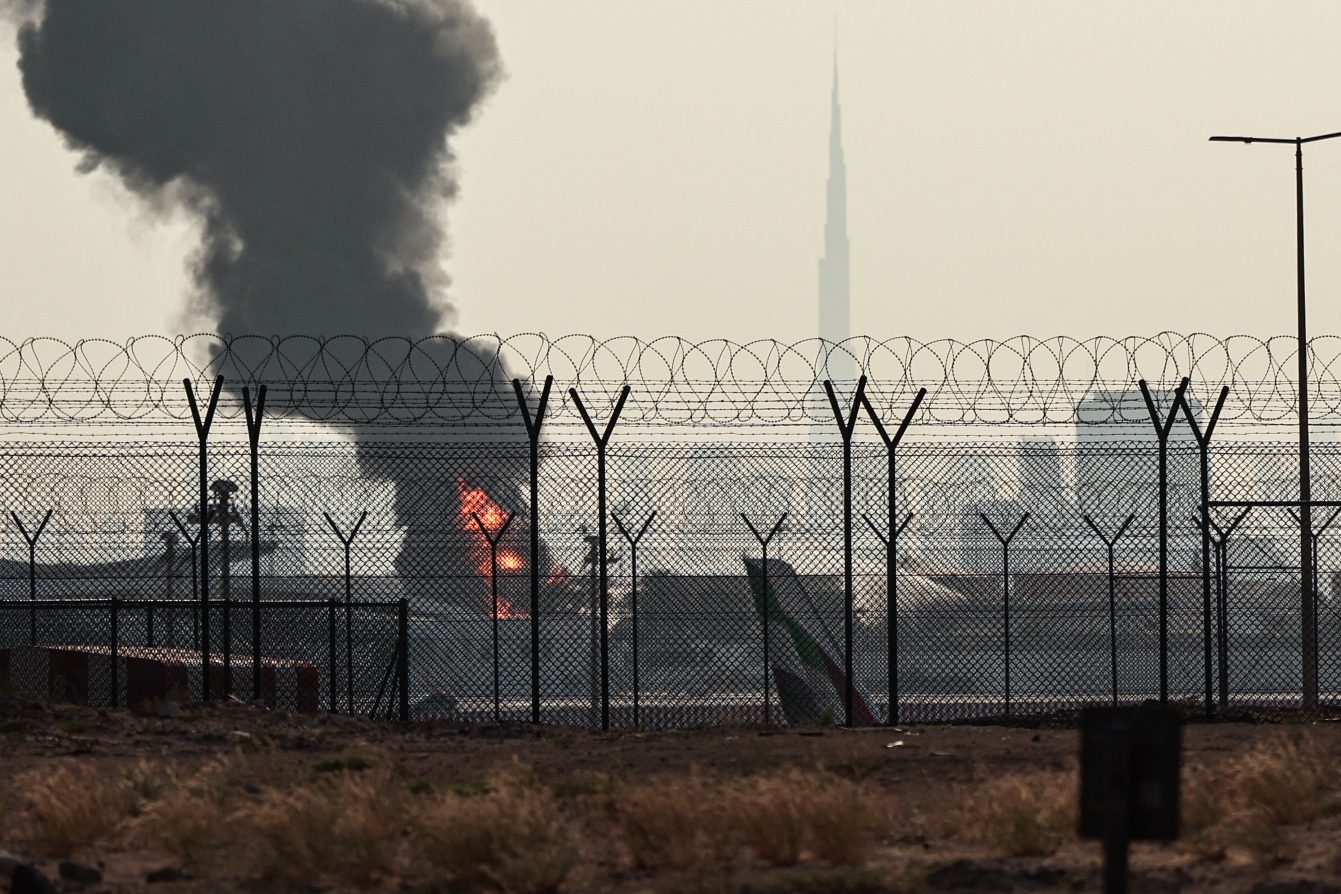
In a new escalation of tensions between the United States and Iran, U.S. President Donald Trump has threatened Iran with 'hell' if the restrictions on the Strait of Hormuz persist. This threat was made in a post on the social media platform 'Truth Social', where he emphasized that next Tuesday will be 'power plant day and bridge day' in Iran.
Trump used sharp language in his post, stating: 'There will be nothing like that!!! Open the strait, you lunatics, or you will live in hell – just wait! Thank God.'
Details of the Event
These remarks come at a sensitive time, as the Strait of Hormuz is one of the most important waterways in the world, through which approximately 20% of the world's total oil passes. Any restrictions or closures in this strait could lead to rising oil prices and increased tensions in global markets.
Trump, who is facing both domestic and international criticism, aims through these statements to bolster his position as a strong leader, especially with the upcoming U.S. presidential elections. Additionally, these remarks align with the maximum pressure policy his administration has adopted towards Iran.
Background & Context
Historically, the Strait of Hormuz has witnessed numerous tensions, particularly between the United States and Iran. In 2019, the region experienced a series of attacks on oil tankers, escalating tensions between the two sides. Furthermore, the U.S. withdrawal from the Iranian nuclear deal in 2018 intensified these tensions.
Iran, for its part, considers the Strait of Hormuz part of its sovereignty and has repeatedly threatened to close it in the event of any aggression. This dynamic makes the region a potential flashpoint at any moment.
Impact & Consequences
The mutual threats between the United States and Iran could lead to a potential military escalation, raising concerns in global markets. Any escalation in the region could directly impact oil prices, negatively affecting the global economy.
Moreover, these statements may increase tensions among U.S. allies in the region, such as Saudi Arabia and the UAE, who heavily rely on the stability of the Strait of Hormuz to ensure oil flow.
Regional Significance
For Arab countries, any escalation in tensions between the United States and Iran could impact regional security. Gulf states, which depend on oil exports, may find themselves in a difficult position if tensions continue to rise.
These events may also reopen discussions about maritime security in the region, necessitating greater cooperation between Arab states and the United States to ensure safe navigation in the Strait of Hormuz.
In light of these tensions, the question remains about how Iran will respond to these threats, and whether it will take escalatory steps or seek de-escalation. The near future holds many uncertainties and challenges.