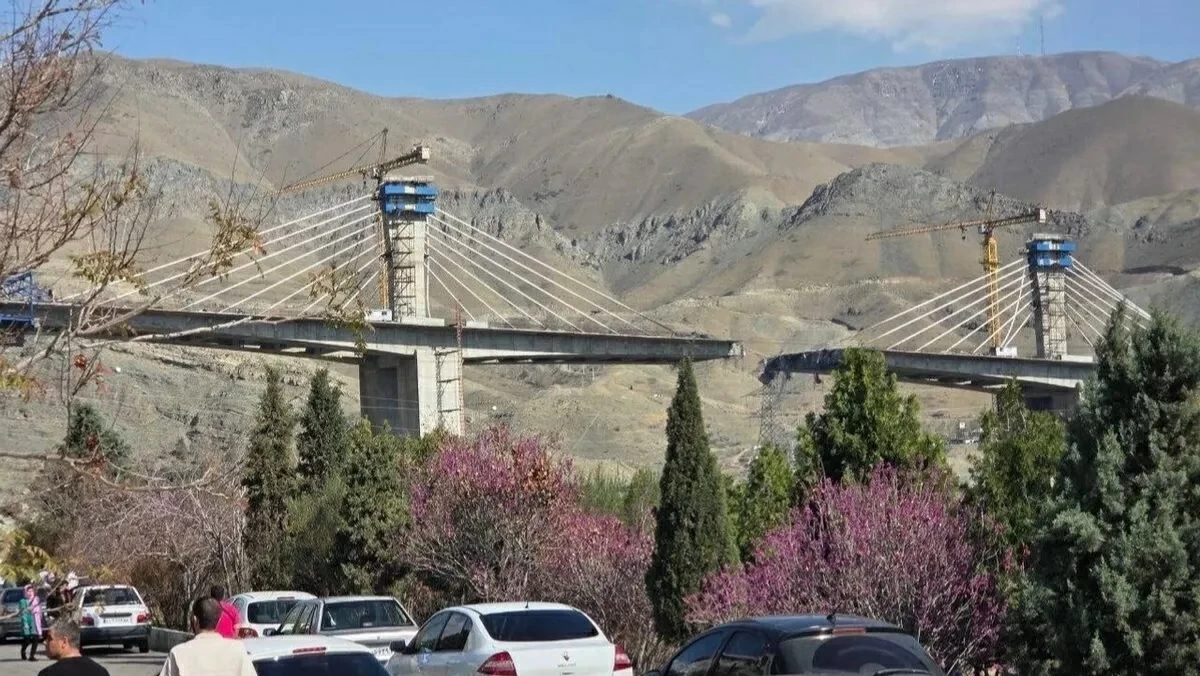
U.S. President Donald Trump has once again threatened to carry out military strikes targeting bridges and power stations in Iran, stressing the need for a swift agreement between Tehran and Washington. This statement was made in a post on the platform Truth Social, where he indicated that the U.S. military has yet to begin destroying what remains in Iran, warning that "the bridges will be next, followed by power stations."
Trump added that the Iranian leadership "knows what needs to be done, and it must be done quickly," referring to the necessity of reaching an agreement to end the war. This threat follows a televised speech he delivered on Wednesday, where he warned that the war could escalate if Iran does not comply with U.S. demands, pointing to the possibility of targeting energy and oil infrastructure.
Details of the Event
In a related context, Trump stated: "We will hit them very hard in the next two or three weeks, we will take them back to the Stone Age, where they belong." This escalation in Trump's rhetoric comes nearly five weeks after the outbreak of war, which began with a joint airstrike by the United States and Israel on Iran. The ongoing conflict is causing chaos in the region and leading to disruptions in financial markets, increasing pressure on Trump to find a quick solution.
Trump also shared a video showing the U.S. bombing a newly constructed bridge between Tehran and the city of Karaj, which was scheduled to open to traffic this year. According to official Iranian media, the U.S. attack on the bridge resulted in the deaths of 8 people and injured 95 others.
Background & Context
Tensions between the United States and Iran have persisted for several years, with relations between the two countries deteriorating significantly after Washington's withdrawal from the Iranian nuclear deal in 2018. Since then, the United States has imposed strict economic sanctions on Iran, exacerbating the economic and political situation in the country.
Trump's recent threats come at a sensitive time, as mediators are trying to bridge the gap between Washington and the new Iranian leaders. These developments reflect the rising tensions in the region and raise fears of a military escalation that could impact the stability of neighboring countries.
Impact & Consequences
American threats could lead to a greater military escalation in the region, which may negatively affect regional security. Should the strikes be carried out, it could provoke violent reactions from the Iranian side, intensifying the conflict and impacting civilian lives.
Furthermore, the continuation of the conflict may worsen humanitarian crises in Iran, increasing pressures on an already struggling Iranian economy. At the same time, this escalation could affect global energy markets, as any intensification of the conflict could lead to rising oil prices.
Regional Significance
Arab countries are directly affected by any escalation in the conflict between the United States and Iran, as many of these nations are experiencing internal and external tensions. An escalation of the conflict could lead to increased sectarian and ethnic tensions in the region, threatening the stability of neighboring countries.
Additionally, the humanitarian crises resulting from the conflict could lead to a flow of refugees into Arab countries, increasing the burdens on these nations. Under these circumstances, it becomes essential for Arab countries to enhance cooperation among themselves to face common challenges.
In conclusion, it appears that tensions between the United States and Iran will continue to impact the situation in the region, necessitating urgent action from the international community to avoid military escalation and achieve peace and stability.