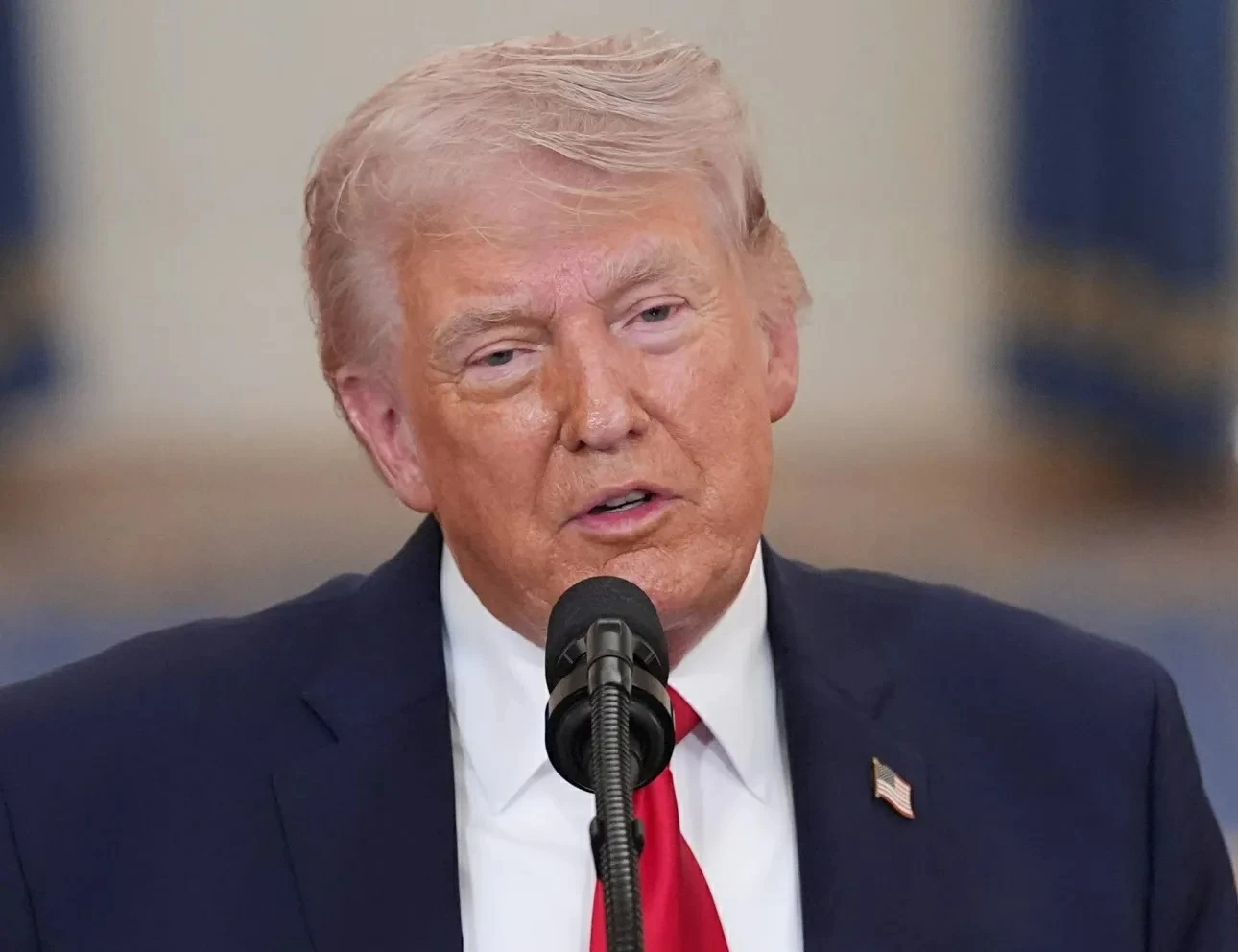
U.S. President Donald Trump stated today (Monday) that the proposal for a ceasefire with Iran represents a critically important step, noting that the American people are looking forward to his administration's victory in this crisis. Trump expressed his dissatisfaction with Iran's actions, vowing that they would pay a heavy price if they do not respond to his demands.
Trump stressed that the deadline he set for the implementation of the Iranian proposal, which ends tomorrow (Tuesday), is final. While acknowledging the importance of the Iranian proposal, he deemed it insufficient to achieve U.S. objectives.
Details of the Event
In provocative statements, Trump said, "We are obliterating them in Iran, and if they refuse to surrender, they will have no power stations or bridges left." He confirmed that Iranians are refusing to surrender, indicating that there are worse things than destroying Iranian infrastructure. He added that "the war with Iran could end very quickly if they do what they need to do."
Trump clarified that the United States can leave Iran at any time, but he prefers to complete the mission, emphasizing the necessity of preventing Iran from acquiring nuclear weapons. He noted that Iranian negotiations have become more rational, but he expressed regret that the American people want the Iranians to return to their country.
Context and Background
These statements come at a sensitive time, as tensions between the United States and Iran have escalated since Washington's withdrawal from the nuclear agreement in 2018. This step led to increased economic sanctions on Iran, significantly impacting its economy and leading to internal protests.
Although Trump claimed to have completely eliminated the Iranian regime, he acknowledged that some missiles and drones remain in Iran's possession. He also indicated that if it were up to him, he would take Iranian oil, reflecting the U.S. approach towards controlling natural resources in the region.
Implications and Impact
Trump's statements raise significant concerns in international circles, as they could lead to military escalation in the region. The repeated threats from the U.S. administration may provoke violent reactions from Iran, increasing the likelihood of a comprehensive war.
These remarks could also affect U.S. relations with its allies in the region, as there is growing concern that any escalation could destabilize Gulf Arab states, which heavily rely on American security.
Impact on the Arab Region
The tensions between the United States and Iran are a sensitive issue for many Arab countries, which fear that any military confrontation could have negative repercussions on their security and stability. The escalation in American rhetoric may affect relations between Arab states and Iran, exacerbating divisions in the region.
In conclusion, the question remains as to how Iran will respond to these threats and whether they will lead to greater escalation in the ongoing conflict. The situation in the region requires an urgent diplomatic solution to avoid dire consequences.