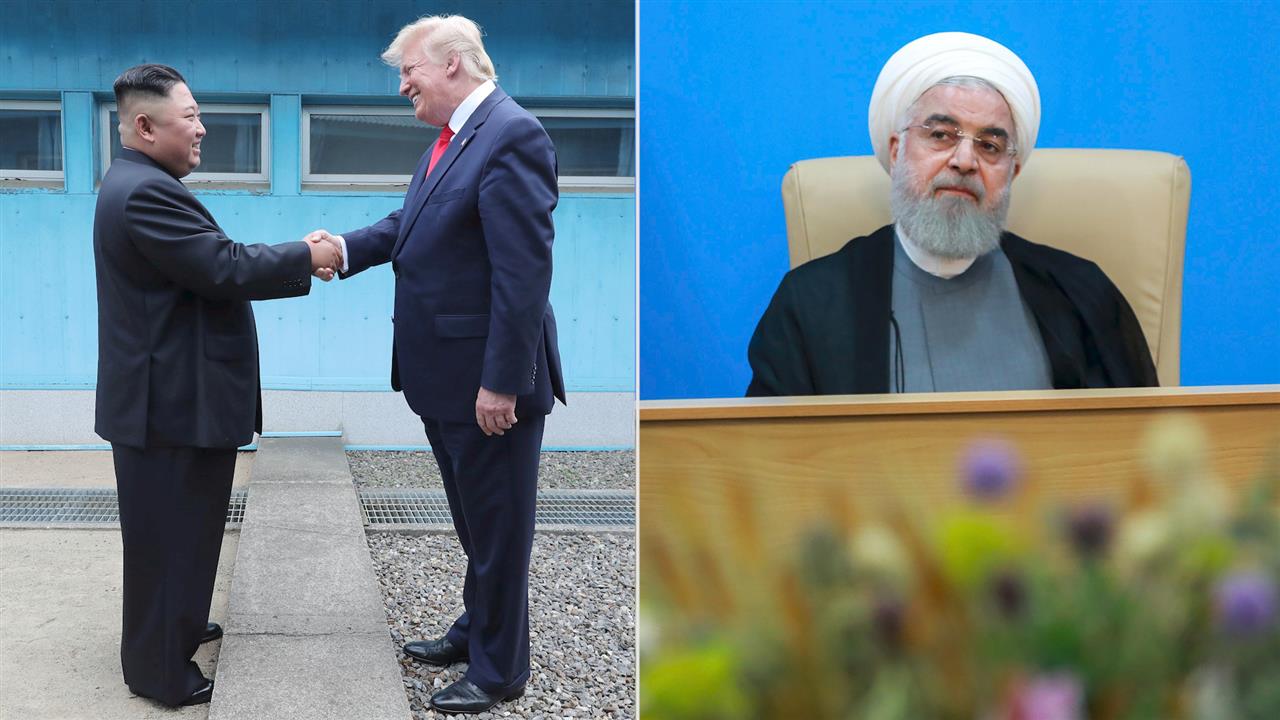
Former U.S. President Donald Trump announced new strategies towards Iran, achieving a tactical victory through strong threats, but strategic challenges remain. These statements come at a sensitive time as tensions in the region escalate, raising concerns about the potential impact on regional security.
The new strategy adopted by Trump includes clear threats to Iran, as he seeks to bolster his position in the American political arena. However, these threats may lead to counterproductive results, causing anxiety among U.S. allies in the region and complicating the situation further.
Details of the Event
Recently, Trump made statements regarding Iran, indicating that any escalation from Tehran would face strong reactions. These statements come amid rising tensions between the United States and Iran, especially following Washington's withdrawal from the nuclear agreement in 2018. This withdrawal escalated tensions and brought Iran back on its nuclear path.
Although these threats may contribute to strengthening Trump's position in the American political landscape, they raise questions about the overall U.S. strategy towards Iran. While Trump aims for tactical victories, the ongoing strategic chaos raises concerns about the long-term effects of these policies.
Background & Context
Historically, relations between the United States and Iran have been tense, witnessing numerous crises since the Iranian revolution in 1979. The U.S. withdrawal from the nuclear agreement has exacerbated these tensions, leading to increased military activities and mutual threats between the two sides.
Iran is a key player in the region, seeking to enhance its influence in countries such as Iraq, Syria, and Lebanon. This influence complicates relations between the United States and its allies in the region, making it difficult to achieve lasting stability.
Impact & Consequences
U.S. policies towards Iran directly affect regional security. The escalation of tensions could lead to new conflicts, threatening stability in the Middle East. Additionally, these policies may impact relations between the U.S. and its allies, as some are concerned that escalation could lead to unforeseen outcomes.
Moreover, mutual threats could lead to a new arms race in the region, increasing security risks. Under these circumstances, it becomes essential for the United States to adopt a comprehensive strategy that considers political, economic, and security dimensions.
Regional Significance
U.S. policies towards Iran significantly affect Arab countries, as many nations are concerned about the rising Iranian influence in the region. This influence could exacerbate existing conflicts, such as those in Yemen and Syria, complicating humanitarian and political situations.
At the same time, Arab countries must adopt effective strategies to address the challenges posed by U.S. and Iranian policies. Regional cooperation and strengthening ties between Arab nations can contribute to achieving greater stability in the region.