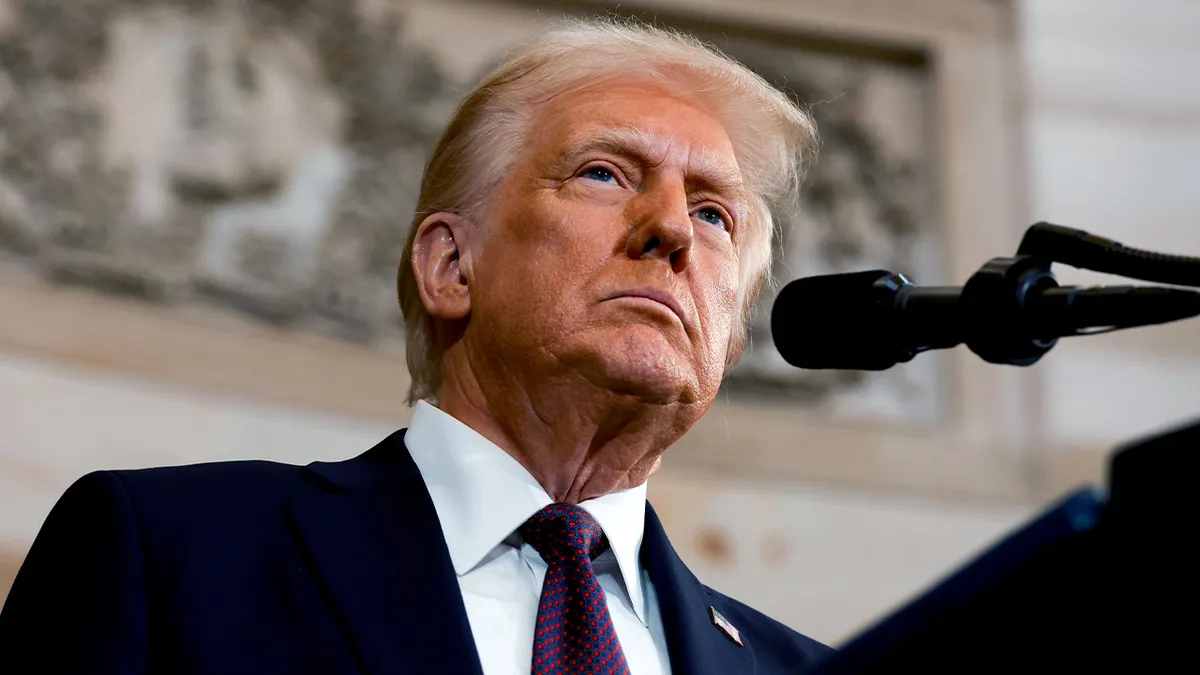
Former U.S. President Donald Trump has threatened to imprison an American journalist, accusing him of leaking information related to the rescue of an American pilot in Iran. This threat reflects the escalating tensions between the United States and Iran and raises questions about press freedom under the previous U.S. administration.
The journalist in question is among several reporters targeted by Trump for their unfavorable reports. Trump indicated that leaking such information could endanger lives, intensifying the debate around freedom of expression and journalists' rights in the United States.
Details of the Incident
The events revolve around the rescue operation of an American pilot, during which sensitive details were leaked by the journalist. Trump, who was in office at the time, viewed this leak as a threat to national security, prompting him to take a hard stance against journalists who publish information he considers sensitive.
This was not the first of such threats, as Trump has repeatedly attacked the media, labeling them as "enemies of the people." This type of rhetoric raises concerns among press freedom advocates, who believe such threats could lead to restrictions on freedom of expression.
Background & Context
Historically, U.S.-Iran relations have been marked by ongoing tensions, especially following the U.S. withdrawal from the nuclear agreement in 2018. These tensions have made military and intelligence operations more sensitive, increasing the importance of the information that is leaked.
In recent years, there have been growing calls to protect journalists and promote freedom of expression, particularly in light of the increasing threats faced by journalists worldwide. This incident serves as another example of the challenges journalism faces under changing political regimes.
Impact & Consequences
Trump's threats could have negative implications for press freedom in the United States, as journalists may feel intimidated to speak out or publish sensitive information. This could lead to a decline in the quality of news reporting and limit journalists' ability to perform their work freely.
Moreover, these threats may affect relations between the United States and other countries, as they could be seen as an attempt to restrict freedom of expression on the international stage. In this context, the need to enhance the protection of journalists and provide them with a safe environment to operate becomes increasingly urgent.
Regional Significance
In the Arab region, press freedom is a sensitive topic, with many countries facing significant challenges in this area. Trump's threats may inspire some Arab regimes to adopt similar policies, further increasing restrictions on the press.
Additionally, these events may influence how Arab media covers international events, as they may fear potential backlash from governments. Ultimately, press freedom remains a fundamental element of any democracy, and the international community must work to strengthen it.