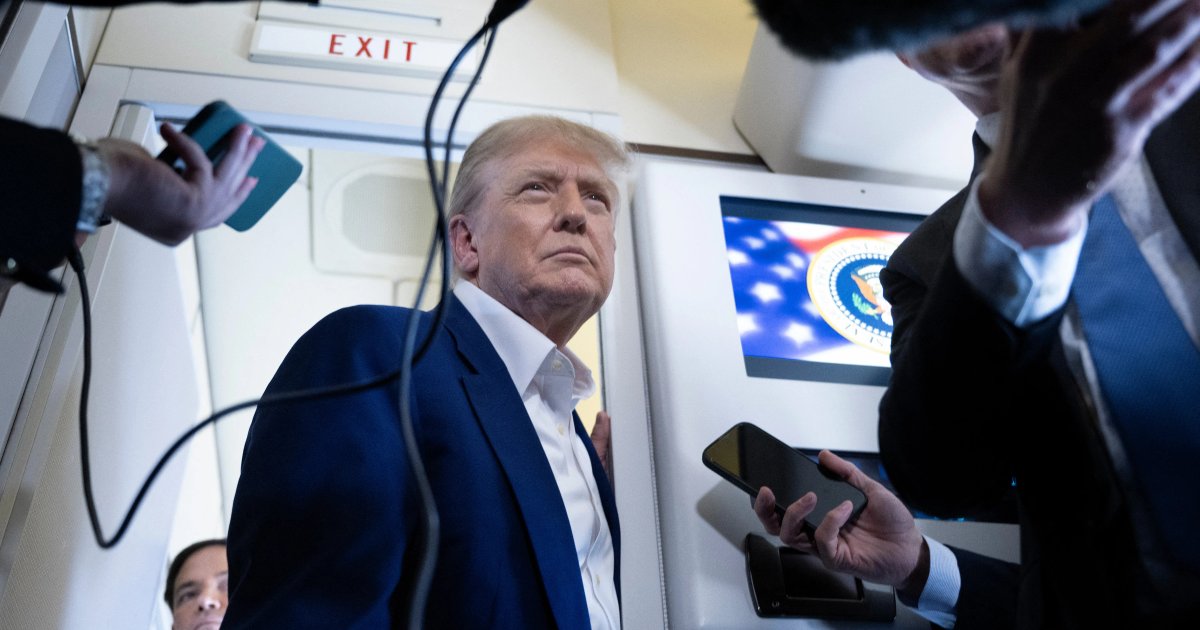
In a controversial statement, President Donald Trump announced that he is contemplating withdrawing from the North Atlantic Treaty Organization (NATO) due to what he described as a lack of support from allies for U.S. military operations against Iran. This announcement came during a press conference where Trump noted that the war the United States is engaged in against Iran could end within two to three weeks, raising questions about the future of American relations with its NATO allies.
Trump further added that Iran's closure of the Strait of Hormuz, which is considered one of the most crucial maritime passages in the world, would be an issue that other nations must address. These statements come at a sensitive time as tensions in the region escalate, putting additional pressure on international relations.
Details of the Event
During the conference, Trump criticized his NATO allies, stating that they have not provided sufficient support to the United States in its campaign against Iran. These remarks reflect Trump's growing frustration with NATO allies' commitments, as he has previously urged them to increase their defense budgets.
This statement comes at a time when tensions between the United States and Iran are rising, with the region witnessing a series of military and economic incidents. The Strait of Hormuz is a strategic point through which approximately 20% of the world's oil passes, increasing the significance of this passage in geopolitical conflicts.
Background & Context
Since the United States withdrew from the Iranian nuclear deal in 2018, tensions between Washington and Tehran have escalated. The United States has imposed severe economic sanctions on Iran, significantly impacting its economy. In response, Iran has escalated its military activities in the region, further intensifying the conflict.
Historically, the United States and Iran have been in a state of tension since the Islamic Revolution in 1979, which severed diplomatic relations between the two countries. However, Trump's recent statements suggest a potential shift in U.S. strategy towards Iran, which could lead to significant changes in American foreign policy.
Impact & Consequences
If the United States decides to withdraw from NATO, it could destabilize the military alliance that was established after World War II. This could also encourage Iran to take more aggressive steps in the region, increasing the risk of military escalation.
Moreover, the closure of the Strait of Hormuz could lead to a rise in global oil prices, adversely affecting the global economy. If tensions continue, this could negatively impact financial markets and increase instability in the region.
Regional Significance
The neighboring Arab countries to Iran, such as Saudi Arabia and the UAE, are among those most affected by the tensions between the United States and Iran. Any escalation in the conflict could have serious repercussions for security and stability in the region, prompting Arab nations to take proactive steps to protect their interests.
Ultimately, developments in U.S.-Iranian relations remain a significant focus, as they can directly influence regional security and the global economy. It is crucial to closely monitor these events to understand how they will impact the future of the region.