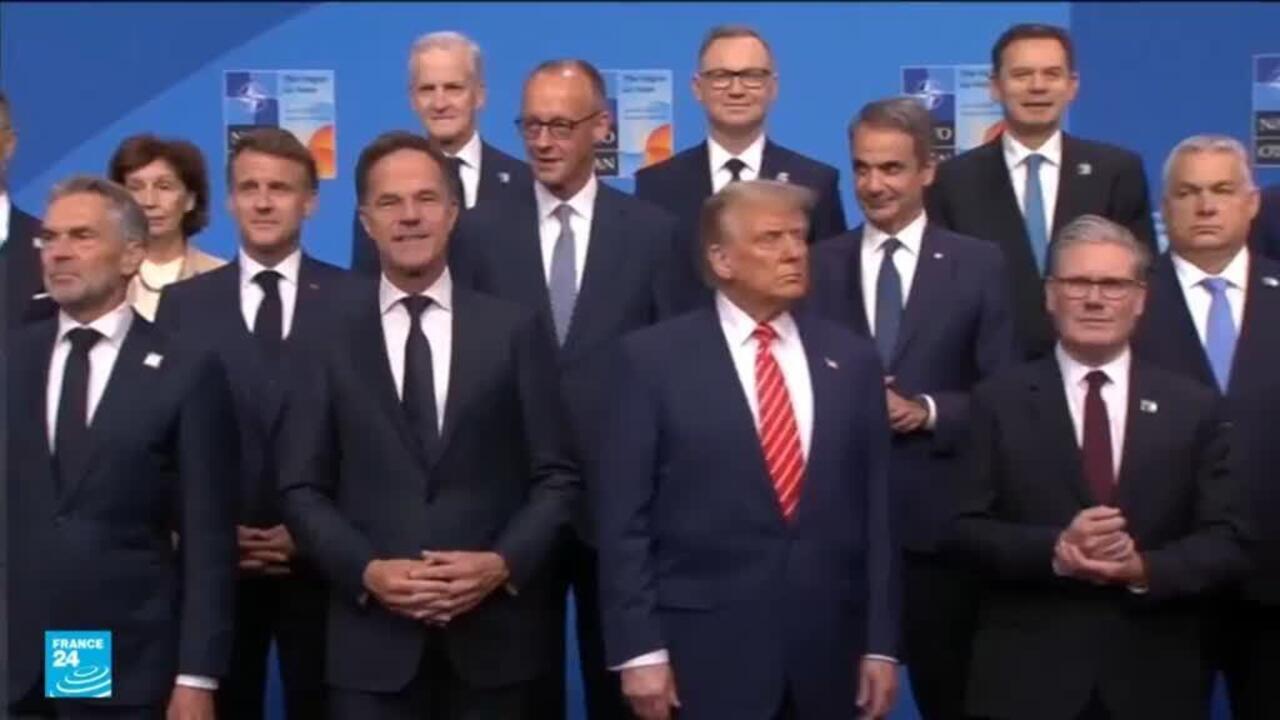
Tensions have escalated between the United States and its NATO allies as President Donald Trump considers withdrawing from the alliance. This comes after European member states refused to send ships to secure the Strait of Hormuz.
These statements come at a sensitive time, as the region is experiencing increasing tensions due to the situation in the Strait of Hormuz, which is considered one of the most important maritime passages in the world. Approximately 20% of the world's total oil passes through this strait, making it a vital strategic point for the global economy.
Details of the Event
In remarks made by Trump, he expressed concern over the unwillingness of European nations to participate in securing maritime navigation in the Strait of Hormuz, prompting the United States to seriously consider its future within NATO. He asserted that the alliance's members must all share their responsibilities, and that the United States cannot face global security challenges alone.
This statement comes at a time when there is increasing pressure on the U.S. administration to activate its role in protecting its interests and those of its allies in the region. The Strait of Hormuz is a sensitive point, having witnessed numerous incidents in recent years that threaten maritime safety, necessitating collective action from NATO member states.
Background & Context
NATO, established in 1949, aims to enhance security cooperation among member states in the face of common threats. However, the current tensions between the United States and European member states reflect growing divisions on how to address security challenges, particularly in the Middle East.
Historically, the United States has played a leading role in NATO, providing military and financial support to member states. Yet, in recent years, some European countries have expressed a desire to reduce their dependence on the United States, exacerbating tensions within the alliance.
Impact & Consequences
If the United States decides to withdraw from NATO, it would represent a significant shift in global security policy. Such a withdrawal could lead to a loss of trust among member states and enhance the ability of competing nations like Russia to expand their influence in the region.
Moreover, a U.S. withdrawal could create a security vacuum in the Middle East, potentially escalating conflicts and increasing tensions among nations. European countries may seek to bolster their independent military capabilities, which could lead to a new arms race in the region.
Regional Significance
For Arab nations, a U.S. withdrawal from NATO could mean significant changes in regional balances. Some countries may find themselves compelled to reassess their security strategies, especially those heavily reliant on American support.
Additionally, the situation in the Strait of Hormuz, considered the lifeblood of Arab economies, could become more complicated if security conditions deteriorate. Gulf states, in particular, may need to take additional steps to ensure maritime safety and protect their economic interests.
In conclusion, the future of U.S.-NATO relations remains uncertain and will depend on how member states respond to current security challenges. Trump's recent statements raise questions about the future of security cooperation globally and its impact on stability in the Arab region.