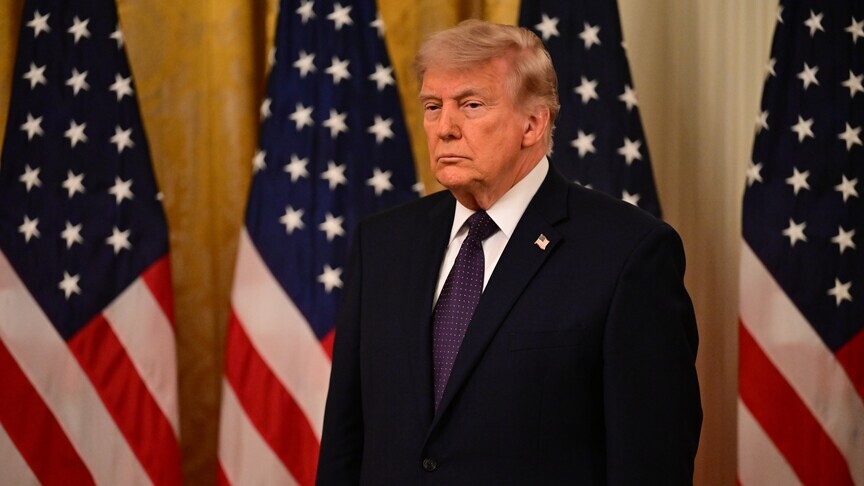
Sources have reported that the Sultanate of Oman has become one of the countries threatened by U.S. President Donald Trump, raising the number of nations facing such threats to 15 during his presidency. These statements come at a sensitive time as tensions between the United States and other countries in the region escalate.
Concerns are growing that these threats could lead to military escalation in the Gulf region, where Oman is considered a strategically important country. Historically, Oman has maintained a cautious policy in dealing with regional and international issues, making these threats particularly alarming.
Details of the Threat
Reports indicate that Trump has not ruled out the possibility of an attack on Oman, reflecting the current U.S. administration's policy towards countries it perceives as threats. These statements may represent part of a broader strategy aimed at enhancing American influence in the region.
Historically, Oman has sought to maintain balanced relations with all parties, including Iran and Saudi Arabia. However, American threats may place Oman in a difficult position, potentially forcing it to reassess its foreign policy.
Background & Context
Since taking office, Trump has adopted a tough approach towards many countries, threatening military action against nations such as Iran and North Korea. This policy may be driven by Trump's desire to showcase U.S. military strength as a means of pressuring countries deemed as threats.
Oman, which has good relations with the United States, may find itself in a challenging position if threats continue. Historically, Oman has played a mediating role in regional conflicts, making it a pivotal country in peace efforts within the region.
Impact & Consequences
If American threats persist, they could escalate tensions in the Gulf region, potentially affecting regional stability. These statements are likely to provoke reactions from neighboring countries, further heightening tensions.
Moreover, any military escalation could impact the global economy, particularly in sectors such as oil and energy, where the Gulf region is a major source of global supplies.
Regional Significance
These threats highlight the need for Arab countries to reassess their foreign policies. Nations may be compelled to adopt more cautious stances in dealing with the United States, especially amid rising tensions.
Ultimately, the question remains about how these threats will affect relations between Arab countries and the United States, and whether they will lead to changes in the foreign policies of Arab states.