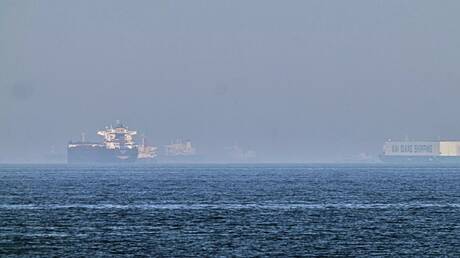
U.S. President Donald Trump has threatened to destroy Oman if it attempts to control the Hormuz Strait, stressing the need for this strategic waterway to remain open for everyone. These remarks come at a sensitive time as the region experiences increasing tensions regarding control over vital maritime routes.
Trump's statements are made in the context of escalating tensions in the Gulf region, where the Hormuz Strait is a crucial transit point for oil and natural gas. Approximately 20% of the world's total oil exports pass through this strait, making it a strategic target for many nations.
Details of the Threat
During a press conference, Trump asserted that any attempt by Oman to seize control of the strait would not go unanswered. He indicated that the United States is committed to protecting freedom of navigation in the area and would not hesitate to take strict measures against any threats.
These comments follow a series of incidents in the region, including attacks on oil tankers, which have heightened tensions between the United States and Iran. Such events have raised significant concerns in global markets, as many countries rely on oil supplies from the Gulf.
Background & Context
Historically, the Hormuz Strait has been a focal point for political and military conflicts. In the 1980s, the region witnessed a war between Iraq and Iran, where control of the strait was one of the primary objectives. Since then, the United States has become a key ally of Gulf states, including Oman, in facing regional threats.
Oman, which maintains good relations with all parties in the region, seeks to preserve its neutrality in regional conflicts. However, U.S. threats may place it in a difficult position, as it must balance its relations with the United States against its security needs.
Impact & Consequences
If the United States follows through on its threats, it could lead to military escalation in the region, potentially affecting global oil prices and increasing instability. Furthermore, any escalation could negatively impact the Omani economy, which heavily relies on oil exports.
Additionally, these tensions may exacerbate the situation between the United States and Iran, potentially dragging the region into a broader conflict. There could be repercussions for relations among Gulf countries, as some may be forced to take clear stances amid these changing circumstances.
Regional Significance
These threats serve as a wake-up call for other Arab countries that depend on the Hormuz Strait for their trade. Any military escalation could have adverse effects on the regional economy, increasing the need for alternative strategies to secure trade routes.
In light of these circumstances, Arab nations should enhance cooperation among themselves to avoid any negative repercussions. There should also be intensified diplomatic efforts to ease tensions and ensure regional stability.
In conclusion, U.S. threats towards Oman reflect the increasing tensions in the Gulf region, necessitating proactive measures from Arab countries to ensure their security and stability.