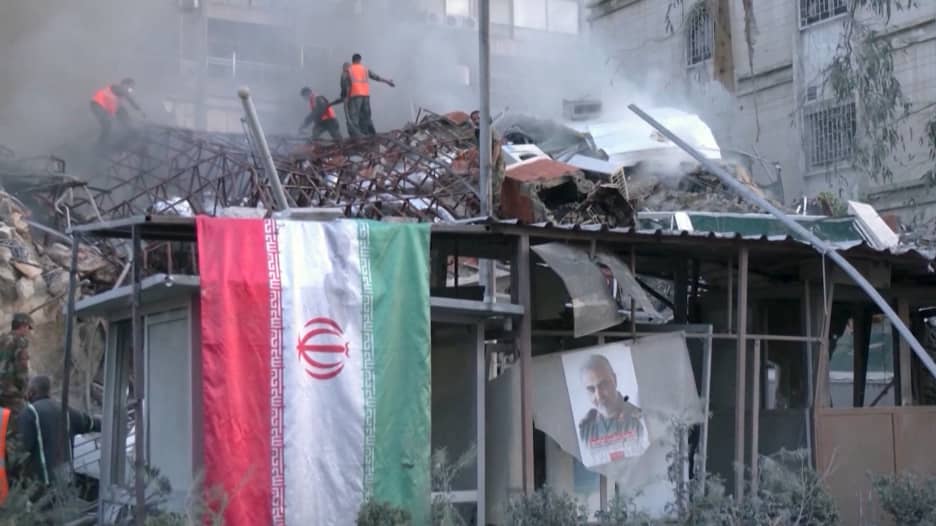
In a national address, U.S. President Donald Trump asserted that his country would strike Iranian power stations with great force, indicating that such an attack would return Iran to the stone age. This statement comes amid rising tensions between the United States and Iran, as Trump seeks to bolster his position against what he perceives as increasing Iranian threats.
Trump spoke about the necessity of taking strict measures against Iran, stating that his country would not hesitate to use military force if necessary. He clarified that the United States would target vital Iranian infrastructure, including power stations, as part of its strategy to pressure the Iranian regime.
Details of the Event
Trump's speech came at a sensitive time, with fears escalating over a potential conflict between the United States and Iran. He noted that Iran is seeking to acquire nuclear weapons, which poses a threat to regional and international security. Additionally, he mentioned that the United States would work to strengthen its alliances with friendly nations in the region to counter this threat.
These statements follow a series of events in the region, including attacks on oil facilities in Saudi Arabia, which Iran has been accused of orchestrating. These incidents have raised concerns within the international community, which is striving to avoid escalating the conflict in the region.
Background & Context
Historically, U.S.-Iranian relations have been marked by increasing tensions since the 1979 Islamic Revolution in Iran. These tensions have led to the imposition of stringent economic sanctions on Iran, significantly impacting its economy. In recent years, these tensions have intensified with the U.S. withdrawal from the Iranian nuclear deal in 2018.
Iran is one of the largest oil-producing countries in the world and plays a pivotal role in stabilizing global energy markets. Therefore, any military escalation could significantly affect oil prices and increase instability in the region.
Impact & Consequences
Trump's statements serve as a clear warning to Iran and could lead to a potential military escalation in the region. If these threats are carried out, Iran could suffer significant damage to its infrastructure, exacerbating the humanitarian situation in the country.
Moreover, any military escalation could impact relations between the United States and its allies in the region, potentially provoking reactions from Iran and its allies, further complicating the situation in the Middle East.
Regional Significance
Arab countries are directly affected by any military escalation between the United States and Iran, as many of these nations are U.S. allies. Any escalation could heighten sectarian tensions in the region, negatively impacting regional stability.
Additionally, oil-producing Arab nations may face economic challenges due to fluctuations in oil prices resulting from any potential conflict. Thus, the situation necessitates that Arab countries take proactive steps to ensure their economic and political stability amid these rising tensions.
In conclusion, Trump's statements reflect an escalation in tensions between the United States and Iran, raising concerns in the region and the world. The international community must closely monitor the situation and work to avoid any escalation that could lead to a large-scale military conflict.