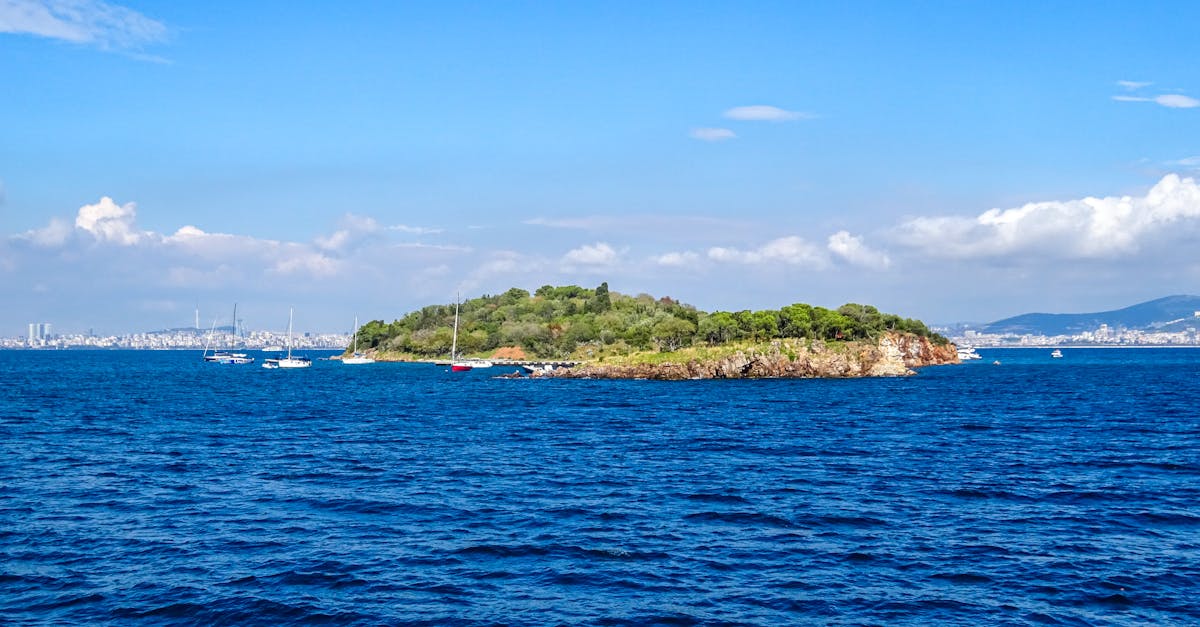
U.S. President Donald Trump threatened on Monday with unprecedented threats towards Qeshm Island, which is considered a vital strategic point for Iran. This came during his remarks about the necessity for Iran to reopen the Strait of Hormuz, where he stated that ongoing talks should lead to quick results.
Trump's statements come at a sensitive time, as tensions between the United States and Iran escalate, especially following Washington's withdrawal from the nuclear deal in 2018. Trump asserted that failing to make progress in negotiations could lead to dire consequences for Iran, including the threat of erasing Qeshm Island.
Details of the Situation
Qeshm Island, located in the Persian Gulf, is one of Iran's most important strategic locations, serving as a base for naval operations. It is noteworthy that the Strait of Hormuz is the waterway through which about 20% of the world's oil passes, making any threats related to it a matter of significant international concern.
In his remarks, Trump indicated that negotiations with Iran must be serious, warning that failure to reach an agreement could lead to military escalation. These statements come at a time when the region is experiencing increasing tensions, with fears of a military conflict in the Gulf rising.
Background & Context
Historically, relations between the United States and Iran have been tense, especially since the Iranian Revolution in 1979. Since then, the United States has taken several steps against Iran, including imposing economic and military sanctions. In recent years, these tensions have significantly increased, particularly after Washington's withdrawal from the nuclear agreement.
Qeshm Island is considered part of Iran's defensive strategy, being used as a base for deploying naval forces. At the same time, Trump's threats to erase the island represent an unprecedented escalation, heightening tensions in the region.
Impact & Consequences
If tensions between the United States and Iran continue, this could lead to military escalation in the region. There are fears that any military action against Qeshm Island could provoke a violent response from Iran, potentially plunging the region into a cycle of violence.
Moreover, any escalation in the region could significantly impact global oil markets, as the Strait of Hormuz is one of the most crucial maritime routes for oil transport. Any threat to close this strait could lead to rising oil prices, affecting the global economy.
Regional Significance
The tensions between the United States and Iran have a direct impact on Arab countries, especially those located along the Gulf shores. Any military escalation could have negative repercussions on security and stability in the region, increasing fears of new conflicts erupting.
At the same time, some Arab countries may attempt to leverage these tensions to strengthen their relations with the United States, while others may seek to enhance their ties with Iran. This divergence in positions could complicate the political landscape in the region.
In conclusion, Trump's statements regarding Qeshm Island serve as a serious warning to Iran, indicating that any failure in negotiations could lead to military escalation. All eyes remain on the developments in negotiations, as the future of the region hangs in the balance.