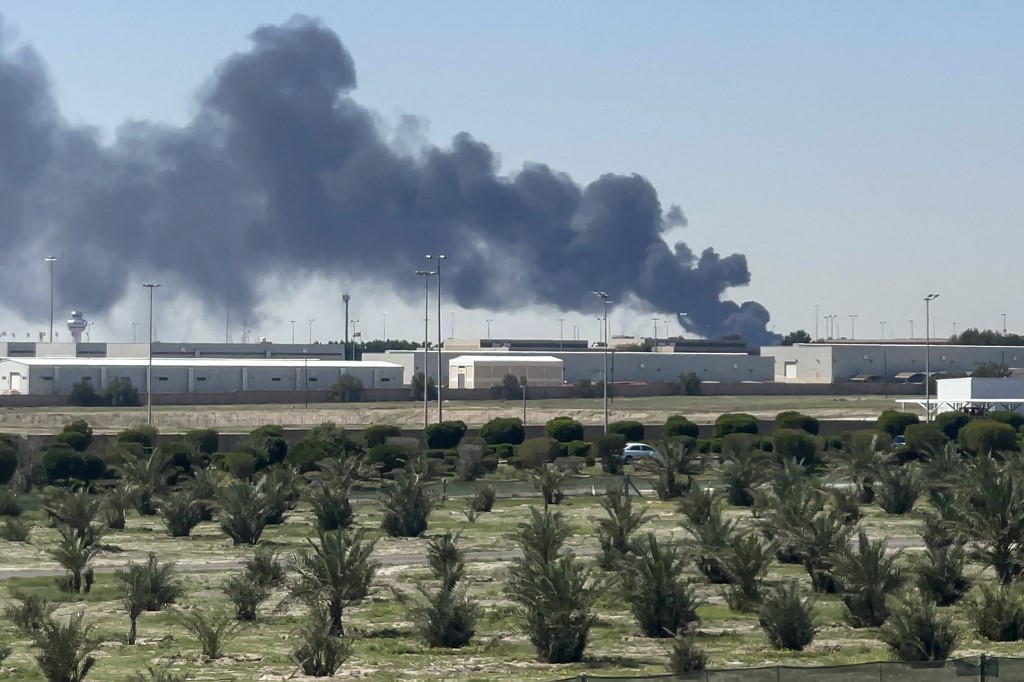
U.S. President Donald Trump warned that the United States "has not even begun to destroy what remains of Iran," suggesting a potential escalation of attacks on Iranian infrastructure. These statements come at a time when efforts to restore energy flow through the Strait of Hormuz continue, following nearly five weeks since the start of the war initiated by the United States and Israel.
In a post on social media, Trump asserted that the U.S. military "has not even begun to destroy what remains of Iran. Bridges are next, then power plants," adding that the Iranian leadership "knows what needs to be done, and it must be done quickly!".
Details of the Incident
Trump's threats follow reports of a U.S. airstrike targeting a bridge near Tehran, resulting in the deaths of eight people and injuring 95 others. These attacks are aimed at civilian infrastructure, raising questions about the humanitarian impact of these military operations.
In response to these attacks, Iranian Foreign Minister Abbas Araghchi stated that "targeting civilian facilities, including incomplete bridges, will not force Iranians to surrender." He emphasized that these actions reflect "the defeat and moral collapse of an enemy in a state of chaos.".
Background & Context
Historically, U.S.-Iranian relations have seen increasing tensions since the United States withdrew from the Iranian nuclear deal in 2018. Since then, Washington has imposed strict economic sanctions on Iran, escalating the conflict between the two countries. The recent escalation comes as part of U.S. efforts to strengthen its position in the region, especially following the attacks on Saudi oil facilities in 2019.
The Strait of Hormuz is considered one of the most important maritime corridors in the world, through which a significant percentage of global oil passes. Any escalation in this context could significantly impact global energy markets, raising concerns among oil-importing countries.
Impact & Consequences
A potential military escalation against Iran could exacerbate conditions in the region, threatening stability in the Gulf Arab states. Additionally, these operations could provoke military responses from Iran, increasing the risk of a broader conflict in the area.
Moreover, the continued attacks on civilian infrastructure could elicit strong international reactions, as these actions are considered violations of international laws prohibiting the targeting of civilians. This could lead to increased pressure on the United States from the international community.
Regional Significance
For Arab countries, U.S. escalation against Iran could significantly impact regional security. Many Arab nations rely on regional stability to ensure the flow of oil and markets. Any escalation could lead to rising oil prices, affecting the economies of importing countries.
The increasing conflict may also evoke memories of past conflicts in the region, heightening fears of a comprehensive war that could involve other Arab nations.
In conclusion, the U.S. military escalation against Iran appears to pose a significant threat to regional and global security. The international community must urgently intervene to prevent worsening conditions and work towards a peaceful resolution of the conflict.