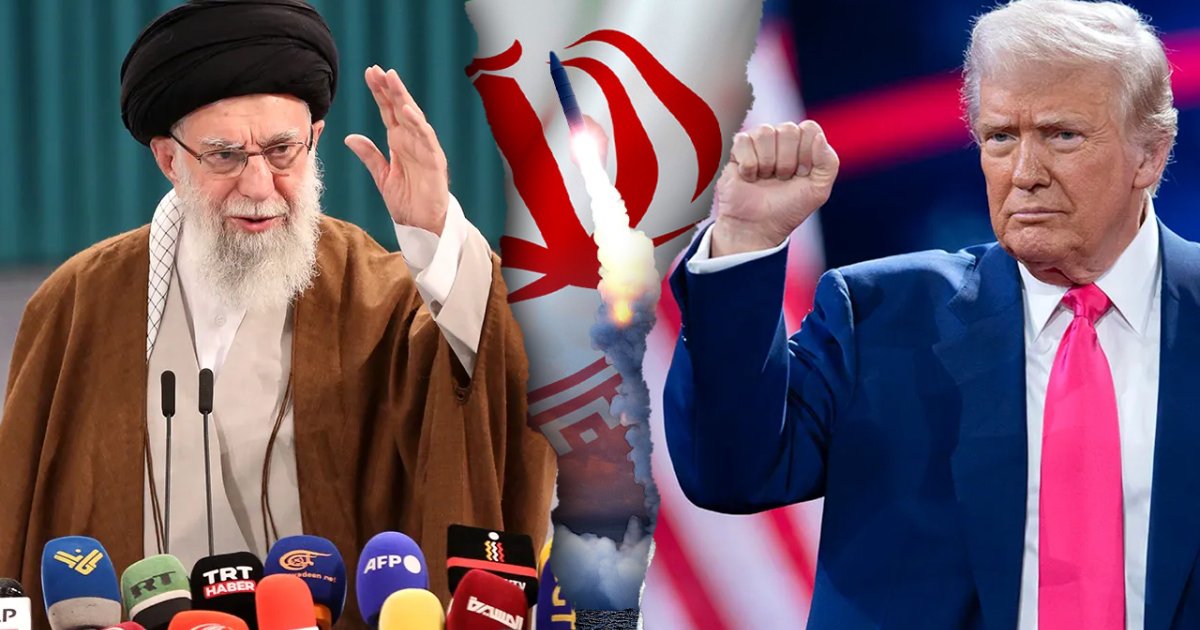
White House spokesperson Caroline Levitt announced that President Donald Trump is interested in inviting Arab nations to contribute to the costs of the ongoing war against Iran. This statement was made during a press conference, where she was asked about who would bear the expenses of this war, raising questions about the potential role of Arab countries in the escalating conflict.
Many questions have arisen regarding whether Levitt's response was spontaneous or carefully considered. Under the current circumstances, it appears that the U.S. administration is seeking to enhance cooperation with Arab nations in addressing the security challenges posed by Iran, reflecting a shift in Washington's strategy in the region.
Details of the Statement
Levitt's remarks come at a sensitive time, as fears of escalating tensions between the United States and Iran are growing. In recent weeks, the region has witnessed intensified U.S. military movements, along with warnings from American officials regarding Iranian activities in Iraq and Syria.
It seems that Trump is looking to shift part of the financial burden of this war onto Arab nations, which may provoke mixed reactions among these countries. Some may view this as an opportunity to strengthen their alliances with the United States, while others might see it as interference in their internal affairs.
Context and Background
Over the years, relations between the United States and Arab nations have been volatile, influenced by various factors, including regional conflicts, human rights issues, and economic policies. As tensions with Iran escalate, Washington appears to be searching for new partners in the region to support its military efforts.
Historically, Arab nations have participated in military alliances with the United States, such as the coalition against ISIS. However, Trump's current invitation may raise questions about how willing these countries are to bear new costs amid the economic crises they are facing.
Implications and Effects
If Arab nations respond positively to Trump's invitation, it could lead to a shift in regional dynamics. This could bolster the U.S. position in the region, but it may also provoke negative reactions from Iran and its allies, further escalating tensions.
On the other hand, this situation might affect relations among Arab nations themselves, as opinions may divide on how to respond to U.S. pressures. Some countries may see this as an opportunity to enhance their national security, while others may view it as an infringement on their sovereignty.
Impact on the Arab Region
Concerns are rising that this invitation could escalate conflicts in the region, where many Arab nations are already grappling with internal crises and ongoing strife. Under these circumstances, it may be challenging for Arab nations to reach a unified decision on how to address the challenges posed by Iran.
In conclusion, the question remains whether Arab nations will respond to Trump's invitation and what the potential consequences of that response might be. Given the current situation, it appears that the region is facing significant challenges that require greater coordination and cooperation between Arab nations and the United States.