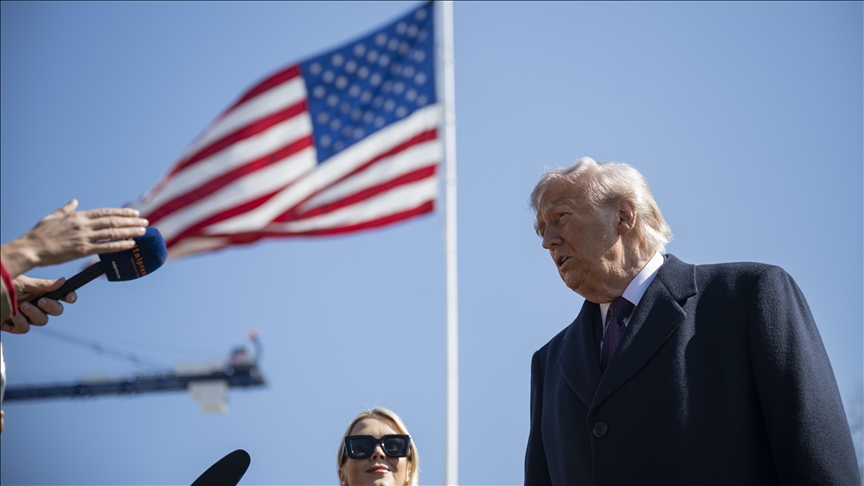
U.S. President Donald Trump has urged Iran to reach an agreement before it is too late, indicating that time is running out and there may be nothing left to negotiate. These statements followed the targeting of the highest bridge in Iran, reflecting the escalating tensions between the United States and Iran recently.
In a press conference, Trump confirmed that there are "many things that will follow" this event, raising questions about the next steps the U.S. administration might take. These remarks come at a sensitive time as the United States seeks to pressure Iran to curb its nuclear program and regional behavior.
Details of the Incident
The targeting of the Iranian bridge is an unprecedented event, as this bridge is considered a symbol of Iranian infrastructure. The party responsible for this attack has not been revealed, but tensions between Iran and the United States may play a role in this context. Trump, who faces domestic criticism regarding his foreign policy, seems to be using these events to bolster his political position.
Trump's call for Iran comes at a time when the country is suffering from economic and social crises, complicating the situation further. Reports indicate that Iran is facing significant difficulties due to U.S. sanctions, making it more desperate for a deal.
Background & Context
The tensions between the United States and Iran date back several years, beginning after the U.S. withdrawal from the Iranian nuclear agreement in 2018. Since then, the U.S. has imposed strict sanctions on Iran, significantly impacting the Iranian economy and exacerbating internal crises.
In recent years, the region has witnessed an escalation in hostilities, including attacks on oil facilities in Saudi Arabia and tensions in the Gulf waters. These events reflect the instability in the region, which requires an urgent diplomatic solution.
Impact & Consequences
Trump's recent statements serve as a warning to Iran and may lead to an escalation of tensions in the region. If Iran does not reach an agreement with the United States, it may face further sanctions and international pressure. This could affect the stability of the entire region and increase the likelihood of new conflicts.
On the other hand, these statements may strengthen Trump's position domestically as he seeks to demonstrate the strength of his administration in facing external challenges. However, escalating rhetoric could lead to unexpected reactions from Iran, complicating the situation further.
Regional Significance
The tensions between the United States and Iran have a direct impact on Arab countries, especially those suffering from internal conflicts or tensions with Iran. Countries like Saudi Arabia and the UAE may feel concerned about the rising tensions, as any escalation could destabilize the entire region.
Moreover, the situation in Iran affects the relationships between Arab countries and Iran, as some countries seek to improve relations while others remain cautious. Under these circumstances, there is hope that the international community can mediate an agreement that ensures stability in the region.