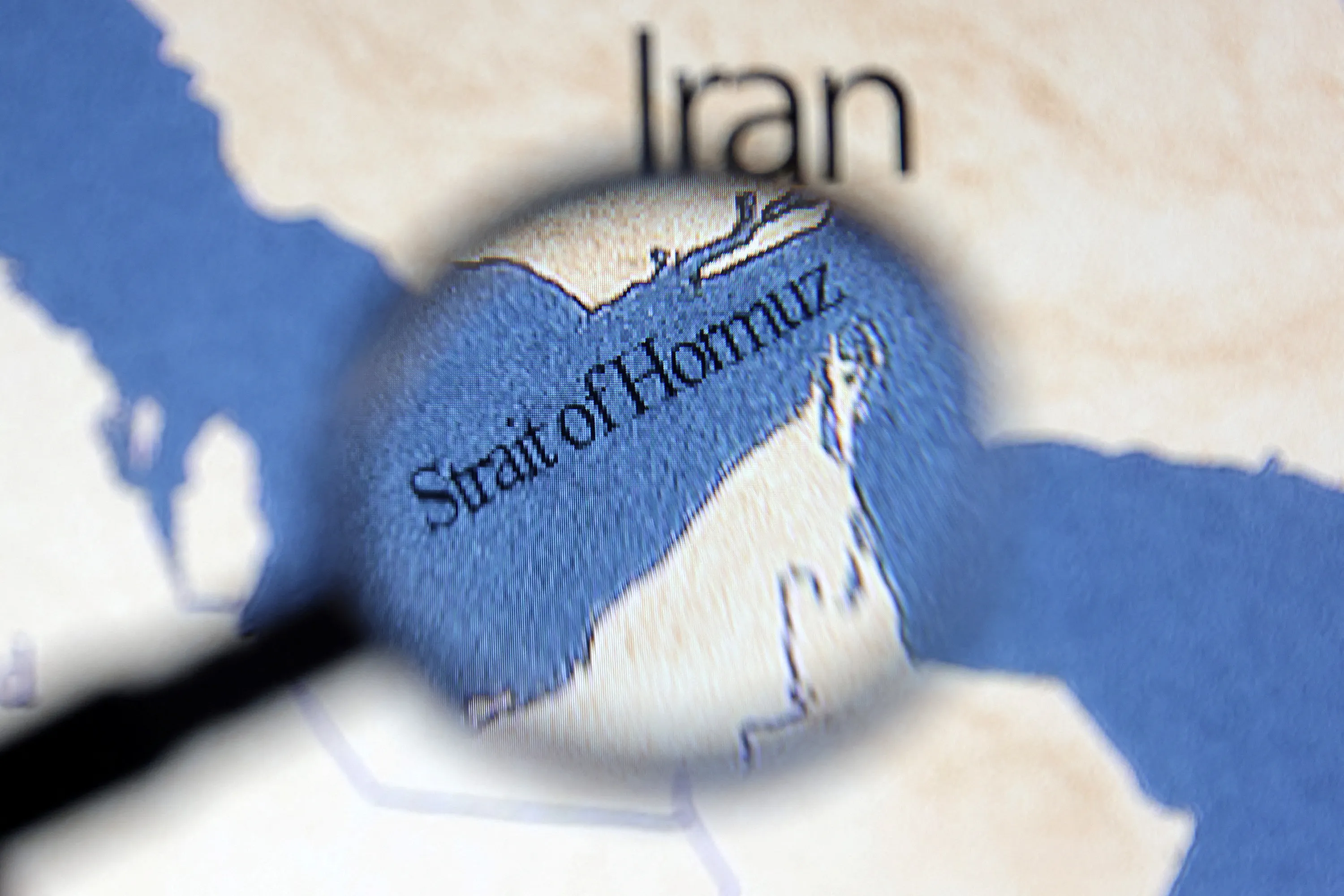
U.S. President Donald Trump has called on Iran to open the Strait of Hormuz, emphasizing the need for a resolution to the ongoing conflict that has lasted for two months. Trump referred to the strait as 'Trump Strait', underscoring the importance of partnership in his administration with the Iranian leader, whoever that may be.
Trump's remarks came at a sensitive time, as the region is witnessing an escalation of military and political tensions. In his speech, Trump indicated that opening the strait would be an important step towards achieving peace and stability in the region, reflecting his concerns about the ramifications of the ongoing conflict.
Details of the Event
In previous statements, Trump confirmed that the Strait of Hormuz would be reopened in the near future, indicating that control over it would be shared between him and the Iranian leadership. These remarks have elicited mixed reactions, with some viewing them as an attempt by Trump to de-escalate tensions, while others see them as a display of power.
It is worth noting that the Strait of Hormuz is one of the most important maritime passages in the world, through which approximately 20% of total global oil exports pass. Therefore, any changes in control over this strait could significantly impact global oil markets.
Background & Context
Historically, the Strait of Hormuz has witnessed numerous crises and conflicts, especially amid tensions between Iran and the United States. Since the U.S. withdrawal from the Iranian nuclear deal in 2018, tensions have escalated, leading to a series of maritime clashes and attacks on oil tankers.
The situation in the region has also been significantly affected by regional conflicts, including the dispute in Yemen and tensions between Iran and its allies on one side, and the United States and its allies on the other. This background makes Trump's statements regarding the Strait of Hormuz even more significant, as they reflect the challenges facing U.S. policy in the Middle East.
Impact & Consequences
If Iran responds positively to Trump's call, it could lead to a de-escalation of tensions in the region, contributing to the stability of global oil markets. However, any such move may face internal opposition in Iran, where many view negotiations with the United States as a concession.
Conversely, if Iran continues to refuse to open the strait, it could lead to heightened tensions, which may adversely affect the global economy, especially given the heavy reliance on Iranian oil in the international market.
Regional Significance
The Gulf Arab states, particularly Saudi Arabia and the United Arab Emirates, are among the most affected by developments in the Strait of Hormuz. Any escalation in tensions could impact these countries' oil exports, potentially leading to a rise in global oil prices.
Moreover, the stability of the region heavily depends on the relationships between Iran and Western countries, especially the United States. Thus, any changes in these relationships could affect security and stability in the Arab region as a whole.
In conclusion, Trump's statements regarding the Strait of Hormuz remain a focal point of interest, reflecting the significant challenges facing U.S. policy in the Middle East and highlighting the importance of this vital passage in the global economy.