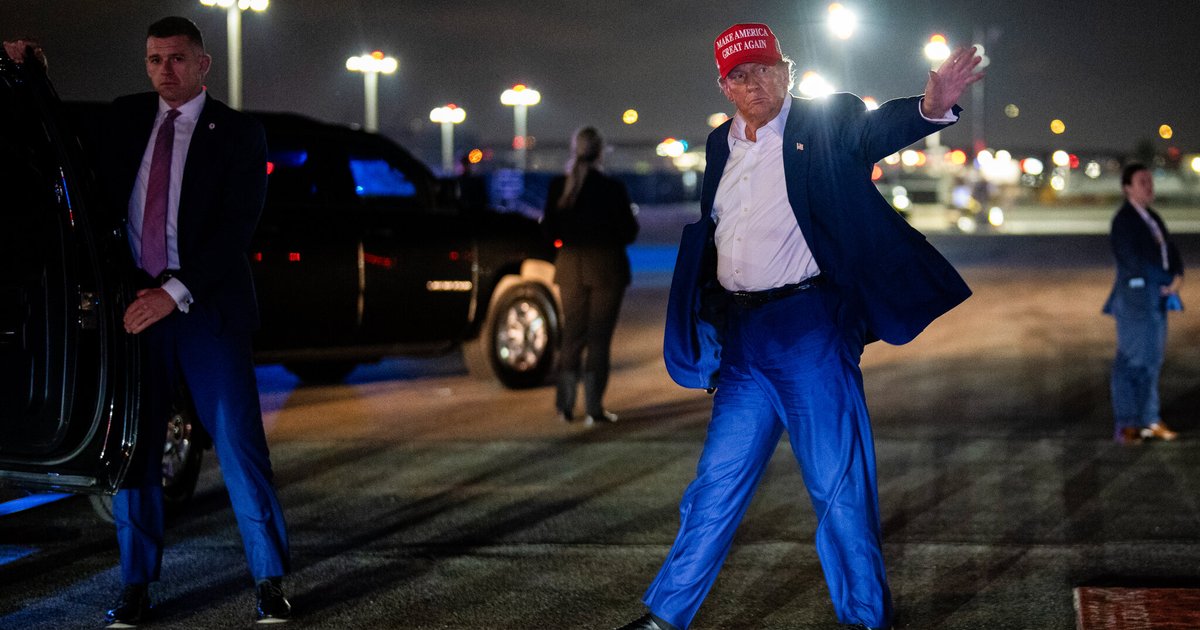
In an unusual statement, former U.S. President Donald Trump urged countries facing fuel shortages to take bold actions to reclaim oil from the Strait of Hormuz themselves. This was mentioned during his speech at an event, where he indicated that affected nations should be more proactive in addressing the economic challenges they face.
Trump's remarks come at a sensitive time, as many countries are suffering from rising fuel prices due to geopolitical crises and tensions in global energy markets. These statements have sparked mixed reactions among leaders and politicians worldwide.
Details of the Statement
During his speech, Trump emphasized that the Strait of Hormuz, which is considered one of the most important maritime routes for oil trade, should be a focal point for countries suffering from energy shortages. He mentioned that these nations must take direct action to ensure their oil supplies, stressing the importance of self-reliance in facing crises.
Trump's statements come at a time when oil markets are experiencing significant volatility, with prices rising sharply due to several factors, including sanctions imposed on certain oil-producing countries, as well as political unrest in various regions around the world.
Background & Context
The Strait of Hormuz is a vital transit point for oil transportation, with approximately 20% of global oil supplies passing through it. Historically, this strait has witnessed numerous tensions, particularly between Iran and Western nations, leading to increased concerns about supply security. In recent years, there have been growing calls from some political leaders to enhance security in this vital corridor.
Moreover, rising oil prices have direct implications for the global economy, affecting transportation and production costs, which negatively impacts the prices of goods and services. In this context, Trump's remarks highlight the importance of securing energy sources amid current crises.
Impact & Consequences
Trump's statements could escalate tensions between oil-producing and consuming nations, as they may be interpreted as a call for direct intervention in energy issues. This could raise concerns among countries that rely on oil imports, placing them in a precarious position before their populations.
Furthermore, these remarks could influence oil markets, potentially leading to further price volatility. If some countries take concrete steps based on these calls, it could escalate conflicts in the region, affecting regional stability.
Regional Significance
In the Arab region, oil prices are one of the main factors affecting the economy. Many countries heavily rely on oil revenues, and any fluctuations in prices could lead to negative impacts on public budgets. Trump's statements may raise concerns among some Arab nations already facing economic crises.
Additionally, these remarks could bolster calls from some Arab countries to enhance cooperation among themselves in the energy sector to ensure the stability of supplies and prices. Given the current challenges, it may be necessary for Arab nations to consider new strategies to deal with global energy markets.
In conclusion, Trump's statements remain a focal point of interest, reflecting the challenges nations face in securing energy supplies. Amid ongoing crises, the question remains: will countries take effective steps to ensure the stability of oil markets, or will the situation remain unchanged?