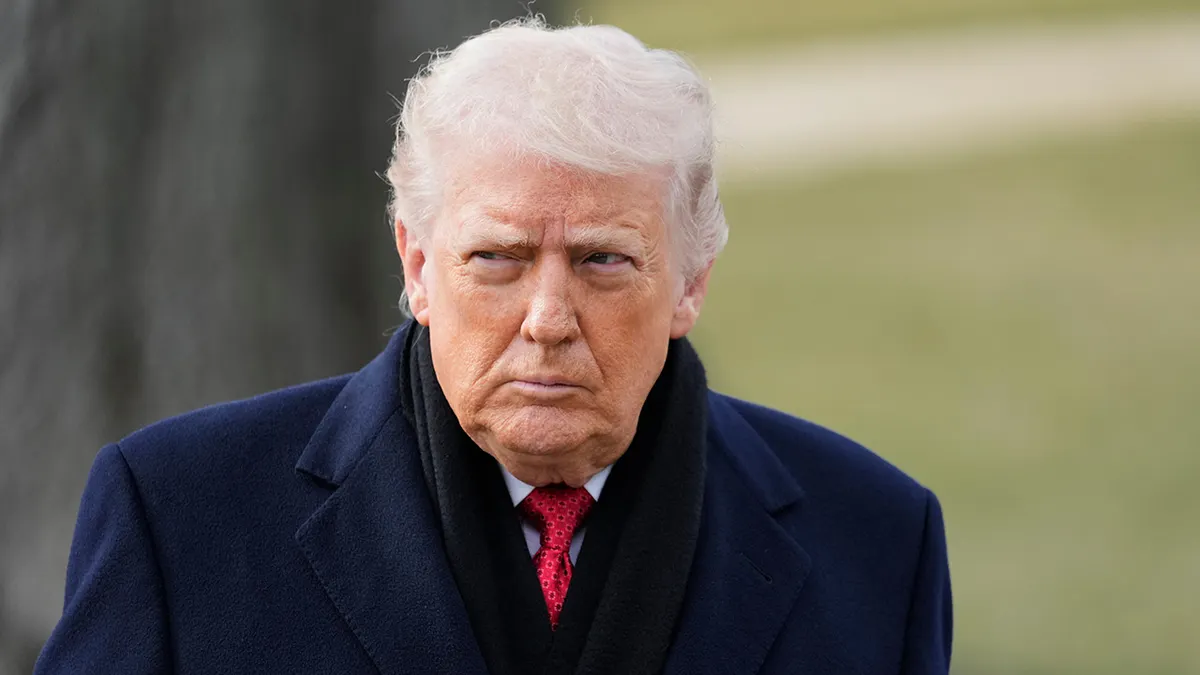
In new remarks, former U.S. President Donald Trump called on countries that rely on oil extracted from the Strait of Hormuz to "hold on to it and appreciate it," highlighting the importance of this resource in the global economy. These statements come at a time when the oil market is experiencing sharp fluctuations, increasing the significance of this message.
The Strait of Hormuz is considered one of the most strategic points in the world, through which approximately 20% of the world's total oil passes. In this context, Trump's remarks serve as a warning to consuming nations about the potential risks they may face should any disturbances occur in this region.
Details of the Statement
During his talk, Trump did not specify the countries he was referring to but generally indicated those that heavily depend on oil from this area. He added that "oil is the lifeblood," reflecting the importance of this resource in achieving economic stability.
These remarks come at a time when fears are rising over escalating tensions in the Middle East, particularly with increased military activities in the region. The statements have elicited mixed reactions among experts and analysts, with some considering that this message reflects concern over the growing reliance on oil amid climate change and the search for alternative energy sources.
Background & Context
Historically, the Strait of Hormuz has been a vital transit point for oil and has witnessed numerous crises in the past, including military conflicts and threats from certain nations. In recent years, tensions between Iran and the United States have increased, affecting the stability of the oil market.
Oil-producing countries, such as Saudi Arabia and the United Arab Emirates, are striving to stabilize prices through OPEC+ agreements, while consuming nations are attempting to reduce their dependence on traditional oil by investing in renewable energy sources.
Impact & Consequences
Trump's statements carry significant implications for oil markets, as they could lead to price increases should new tensions arise in the region. Additionally, these remarks may influence the economic policies of consuming nations, which may need to reassess their energy strategies.
Furthermore, these statements could enhance discussions about the importance of transitioning to alternative energy sources, especially given the environmental challenges facing the world today. In this context, some countries may seek to boost their investments in renewable energy as a proactive step to reduce reliance on oil.
Regional Significance
Considering the impact of these statements on the Arab region, Gulf countries that heavily rely on oil revenues may feel concerned about any escalation in tensions. Additionally, Arab oil-consuming nations may need to contemplate new strategies to ensure the stability of energy supplies.
In conclusion, Trump's statements underscore the importance of oil as a strategic resource and highlight the challenges faced by nations amid geopolitical and economic changes. As the world seeks a more sustainable future, the Strait of Hormuz remains a vital center in the global energy equation.