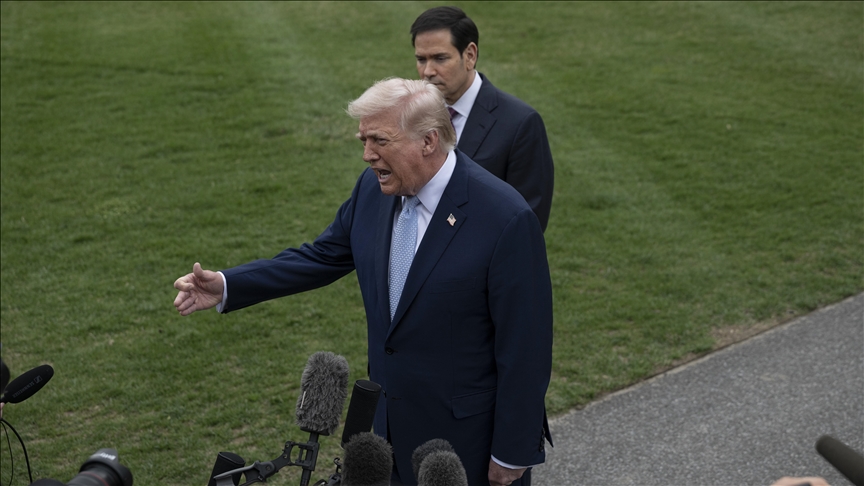
U.S. President Donald Trump has urged NATO allies to take bold steps and send ships to the Hormuz Strait as part of efforts to bolster maritime security in the region. This request came during a press conference held at the White House, where Trump expressed his lack of concern regarding the absence of allies, indicating that the military alliance would not be present when needed.
Trump's remarks come at a sensitive time, as tensions are escalating in the Arabian Gulf, particularly with the rise of Iranian military activities and threats to maritime navigation. These statements have raised questions about the commitment of the United States and its allies to protect vital waterways.
Details of the Event
During the press conference, Trump stated, "I couldn't care less about their absence," referring to NATO allies. He emphasized that the United States bears the brunt of security in the region, which raises concerns among some European nations that rely on American security.
These remarks come amid growing fears of escalating tensions between the United States and Iran, especially following attacks targeting oil tankers in the area. These events have led to increasing calls from some countries to send additional forces to the region to ensure the safety of navigation.
Background & Context
The Hormuz Strait is one of the most important waterways in the world, through which approximately 20% of global oil passes. The strait has witnessed increasing tensions in recent years, particularly after the United States withdrew from the Iranian nuclear deal in 2018.
Historically, the United States has relied on alliances with Gulf Arab states to ensure stability in the region. However, Trump's statements reflect a shift in U.S. policy, as the current administration seems to be seeking to place more security responsibilities on its allies.
Impact & Consequences
Trump's call for NATO allies to send ships to the Hormuz Strait could heighten tensions in the region, as Iran may perceive this move as a threat to its national security. Additionally, the failure of allies to respond to Trump's request could weaken the United States' position in the region.
Moreover, the lack of coordination between the United States and its allies could exacerbate the situation in the Gulf, potentially impacting global oil prices and increasing instability in the markets.
Regional Significance
Arab countries in the Arabian Gulf, such as Saudi Arabia and the UAE, are among the most affected by tensions in the Hormuz Strait. Any escalation in the region could negatively impact Gulf economies, which heavily rely on oil exports.
Furthermore, U.S. statements may provoke reactions from Iran, potentially leading to military escalation or even retaliatory actions against American interests or its allies in the region.
In conclusion, Trump's call for NATO allies to send ships to the Hormuz Strait reflects the increasing security challenges in the region and highlights the need for better coordination between the United States and its allies to ensure regional stability and protect maritime navigation.