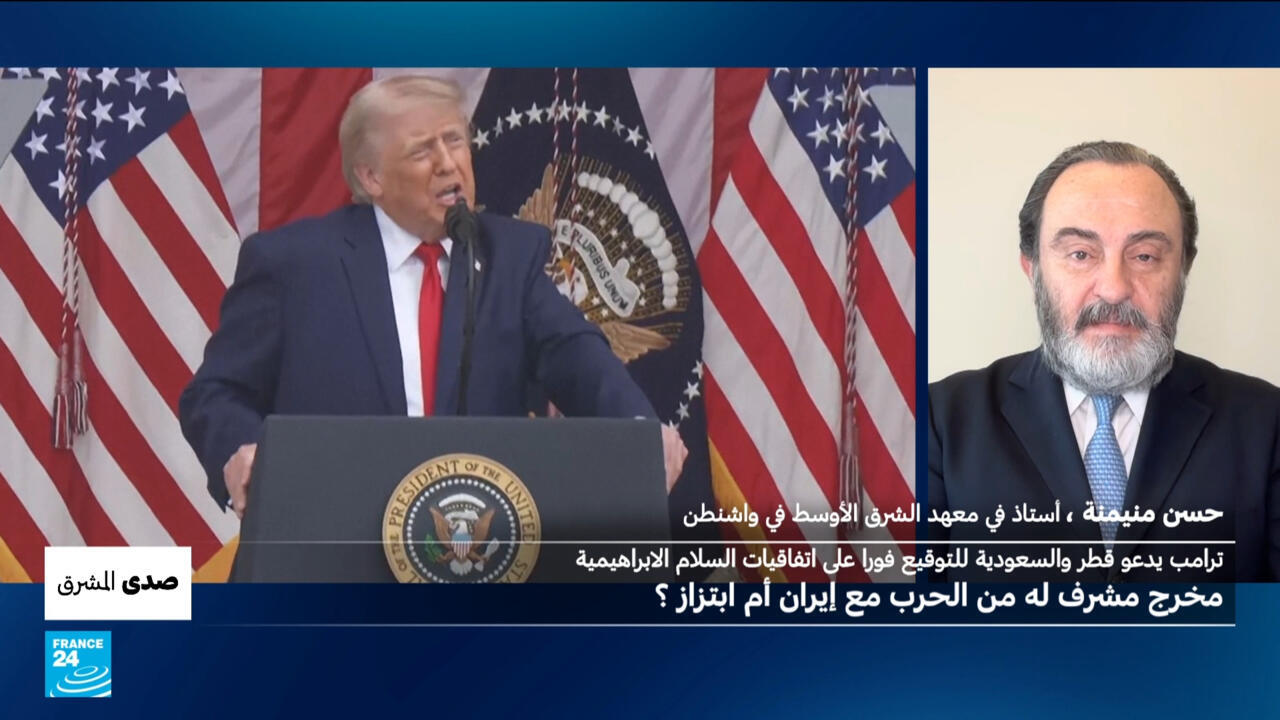
In a surprising move, former U.S. President Donald Trump called on leaders of Muslim countries, including Saudi Arabia, Qatar, and Pakistan, to join the Abraham Accords. This call was made during a phone conversation, which was followed by a deafening silence from the participants, raising numerous questions about the timing and true motives behind this invitation.
Questions are mounting regarding what Trump seeks from these countries and whether they will find themselves compelled to comply with his wishes under the banner of "normalization for protection." This dynamic reflects the ongoing tensions in the relationship between the United States and Gulf countries, especially amid increasing regional challenges.
Details of the Event
According to the American website Axios, Trump contacted the leaders of the mentioned countries, urging them to join the Abraham Accords, which aim to normalize relations between Israel and several Arab nations. These accords, reached in 2020, saw the normalization of relations between Israel and both the UAE and Bahrain, eliciting varied reactions across the region.
The silence that followed the invitation indicates hesitation among Gulf leaders in responding to such calls, particularly given the sensitive political climate in the region. Will Saudi Arabia and Qatar move towards normalization with Israel, or will they maintain their rejectionist stance?
Background & Context
Historically, relations between Arab countries and Israel have been complex, tied to the Israeli-Palestinian conflict. However, recent years have witnessed notable changes, as some Arab nations have begun to reassess their positions towards Israel. This shift is part of their efforts to strengthen economic and security ties with the United States.
Although Saudi Arabia and Qatar have not officially normalized relations with Israel, there are indications of unofficial communications. These communications may be driven by shared security challenges, such as the Iranian threat, making normalization a potential option in the future.
Impact & Consequences
If Saudi Arabia and Qatar respond to Trump's invitation, it could lead to radical changes in the political landscape of the Middle East. Normalization with Israel may enhance their positions in facing regional threats, but it could also provoke negative reactions from certain Palestinian factions and other Arab countries.
Moreover, this development could affect relations among Arab states themselves, as some may find themselves in an awkward position if they do not follow the same approach. This could lead to greater divisions in Arab positions regarding the Palestinian issue.
Regional Significance
If normalization occurs, regional dynamics will change significantly. Relations between Arab countries and Israel would become more formalized, potentially opening the door for further cooperation in areas such as economics and security. However, at the same time, this could exacerbate internal conflicts within Arab states, as pressures from groups opposed to normalization may increase.
In conclusion, Trump's call for normalization with Saudi Arabia and Qatar is a controversial step. While these countries seek to protect their interests, the challenges they face may make it difficult to take bold steps in this direction.