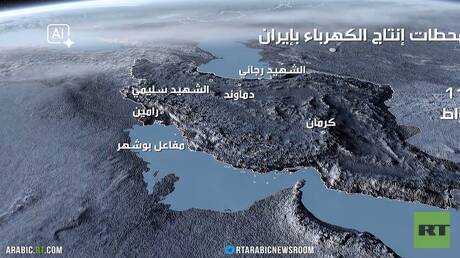
In a controversial statement, US President Donald Trump confirmed that American forces are capable of opening the Strait of Hormuz as soon as possible, indicating that this action would allow the United States to seize oil and amass substantial wealth. These statements come amid escalating tensions in the region, raising questions about the political and economic implications of such a move.
The Strait of Hormuz is one of the most critical maritime passages in the world, through which approximately 20% of the world's total oil passes. This makes control over it a strategic matter for the United States and its allies, especially in light of ongoing tensions with Iran, which is considered a key player in the region.
Details of the Announcement
During a press conference, Trump noted that American forces need "a little extra time" to carry out this move. He argued that controlling the Strait of Hormuz would provide the United States with a significant opportunity to benefit from the oil resources in the region. His comments come at a time when fears are growing regarding the escalation of conflict between the United States and Iran, with Washington accusing Tehran of threatening navigation in the area.
Trump did not provide specific details on how this move would be executed, but his remarks reflect the US administration's strategy of bolstering its military presence in the Gulf region. This comes as the United States seeks to reduce its dependence on foreign oil and enhance its domestic production.
Context and Background
Historically, the Strait of Hormuz has witnessed numerous military and political conflicts, serving as a theater for several wars and struggles between major powers. In the 1980s, the region experienced a naval war between Iran and Iraq, while in recent years, tensions between the United States and Iran have escalated following Washington's withdrawal from the nuclear agreement in 2018.
Iran views the Strait of Hormuz as a lifeline, relying on exporting its oil through this passage. Any threat to American control over the strait could provoke a strong reaction from Tehran, increasing the likelihood of conflict in the region.
Consequences and Impact
If Trump's statements are implemented, it could significantly escalate tensions in the region. Control over the Strait of Hormuz could mean that the United States would be able to control the flow of oil, impacting global oil prices and increasing instability in the markets.
This move could also provoke negative reactions from other major powers, such as Russia and China, who may view this action as a threat to their interests in the region. This could lead to the formation of new alliances in the area, complicating the situation further.
Impact on the Arab Region
Considering the potential impact on Arab countries, any escalation in tensions could directly affect security and stability in the Gulf. Gulf states, which heavily rely on oil exports, may find themselves in a difficult position if conflicts escalate.
Additionally, American statements could affect relations between Arab countries and Iran, potentially intensifying tensions between the two sides, which would negatively impact peace and stability efforts in the region.
In conclusion, Trump's remarks regarding the Strait of Hormuz remain a subject of widespread controversy, reflecting the challenges faced by the US administration in its foreign policy. The increasing tensions in the region could lead to long-term ramifications for regional security and stability.