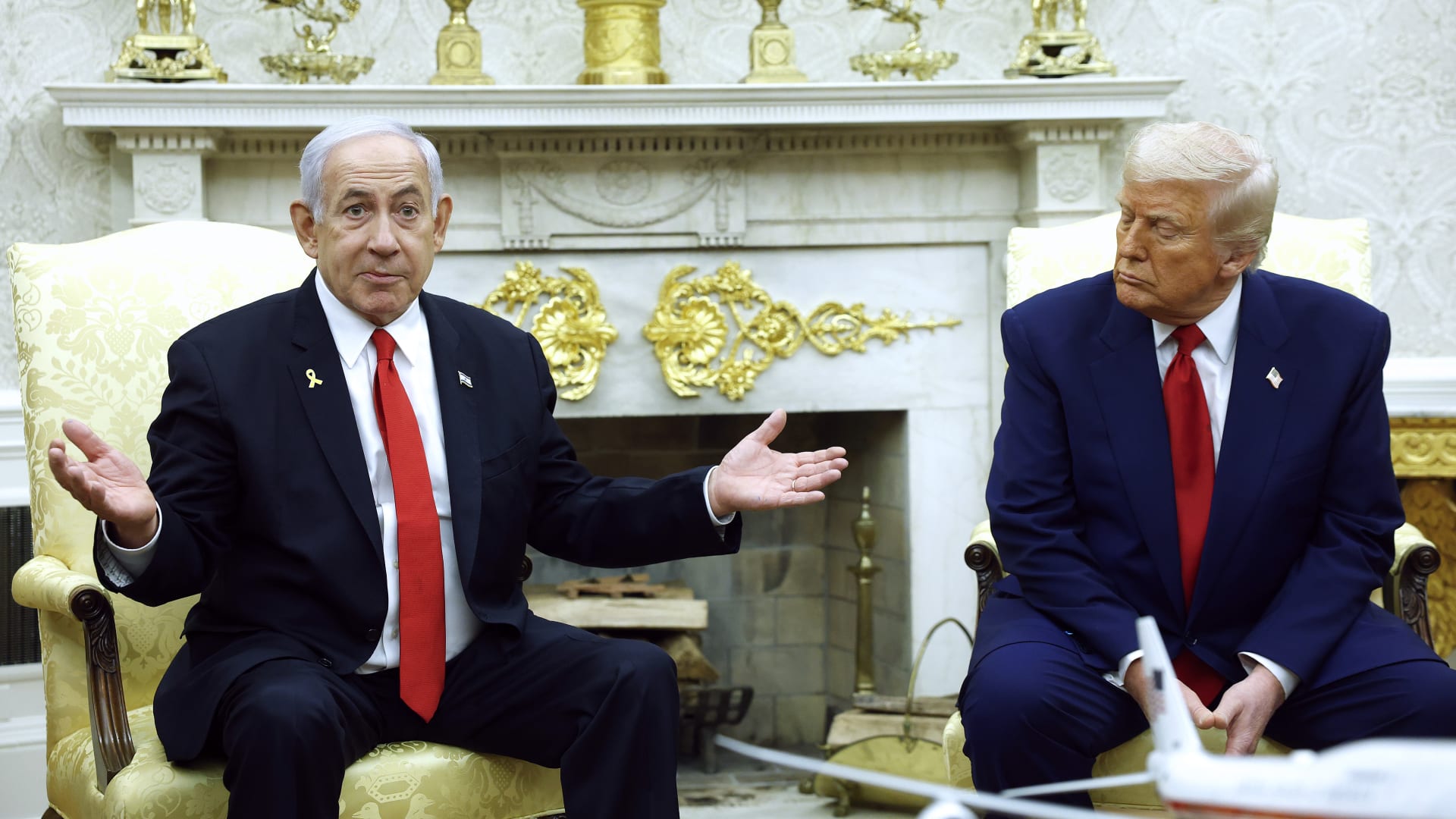
In a controversial statement, President Donald Trump declared that 'this war is over,' indicating that the joint campaign between the United States and Israel against Iran has resulted in the elimination of prominent leaders and secured commitments from Tehran not to pursue nuclear weapons. This announcement came during a press conference at the White House, where Trump emphasized that Vice President JD Vance and Secretary of State Marco Rubio were part of the discussions related to this issue.
While Trump promotes these victories, Iran has categorically denied the existence of any negotiations or agreements with the United States, reaffirming its steadfast position that Tehran does not seek to acquire nuclear weapons. This denial comes at a sensitive time, as tensions in the region are escalating due to increasing military and political activities.
Details of the Event
During the conference, Trump noted that the joint campaign has achieved strategic objectives, including the elimination of key leaders in Iran. He also referred to what he described as a 'gift' concerning oil and gas and the Strait of Hormuz, raising questions about the economic and political dimensions of these statements.
The remarks come at a time when U.S.-Iran relations are under severe strain, with both countries exchanging accusations regarding nuclear activities and regional interventions. Trump, who is looking to bolster his political standing, appears to be using this issue as part of his upcoming electoral strategy.
Background & Context
Historically, U.S.-Iranian relations have seen significant fluctuations since the Islamic Revolution in 1979. Since then, the United States has pursued a policy of pressure on Iran, especially after its withdrawal from the nuclear agreement in 2018. This withdrawal led to an escalation of tensions, with the U.S. imposing stringent economic sanctions on Tehran.
Despite the pressures, Iran continues to develop its nuclear program, raising international concerns. In recent years, several countries, including European nations, have attempted to revive negotiations with Iran, but these efforts have yet to yield tangible results.
Impact & Consequences
Trump's statements may exacerbate tensions in the region, reflecting a one-sided view of the Iranian issue. Such remarks could intensify conflicts in the Middle East, where Iran remains a key player in numerous regional disputes.
Furthermore, these statements may impact U.S. relations with its allies in the region, particularly those countries seeking to stabilize relations with Iran. Any escalation in tensions could negatively affect global oil markets, given Iran's strategic position in the Strait of Hormuz.
Regional Significance
For Arab countries, U.S. statements regarding Iran carry significant implications. Many nations in the region, such as Saudi Arabia and the United Arab Emirates, view Iran as a threat to their national security, and thus any escalation in tensions could lead to increased military tensions in the Gulf.
Moreover, the economic dimensions of these statements could affect oil prices, impacting Arab economies that heavily rely on oil exports. Under these circumstances, the region remains on alert for what the upcoming developments may bring.