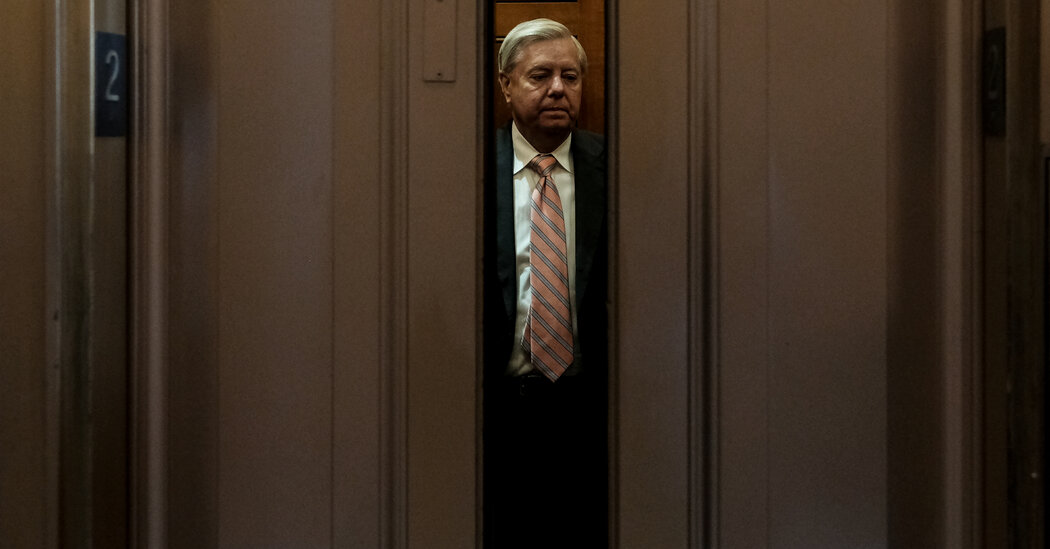
U.S. Senator from the Republican Party, Lindsey Graham, stated that President Donald Trump is committed to restoring freedom of navigation in the Hormuz Strait. These remarks come at a time when the region is witnessing escalating tensions, raising fears about the impact on global trade.
The Hormuz Strait is a vital strategic point, through which approximately 20% of the world's oil passes. Therefore, any threat to freedom of navigation in this area could lead to significant economic repercussions globally.
Event Details
In his remarks, Graham pointed out that Trump is taking serious steps to ensure the safety of navigation in the strait, reflecting the U.S. administration's commitment to protecting its interests and those of its allies. He also added that there are potential plans to enhance the U.S. military presence in the region as part of a broader strategy to counter Iranian threats.
These statements follow a series of maritime incidents in the area, where commercial vessels have been attacked, heightening concerns about navigation security. Reports have confirmed that Iran was behind some of these attacks, prompting the United States to adopt a firmer stance towards Tehran.
Background & Context
Historically, the Hormuz Strait has been a center of geopolitical tensions, witnessing multiple conflicts over the decades. Since the Iranian Revolution in 1979, relations between the United States and Iran have been strained, affecting the overall stability of the region.
In recent years, tensions have notably escalated, especially after the United States withdrew from the nuclear deal with Iran in 2018. This withdrawal led to increased economic sanctions on Tehran, contributing to the worsening situation in the region.
Impact & Consequences
If U.S. plans to restore freedom of navigation in the Hormuz Strait are implemented, it could lead to heightened tensions with Iran, which may perceive these actions as a threat to its sovereignty. Additionally, any potential military escalation could impact global oil prices, negatively affecting the global economy.
Furthermore, enhancing the U.S. military presence in the region may provoke reactions from other countries, complicating the geopolitical landscape. This could lead to the formation of new alliances or a reshaping of existing ones in the region.
Regional Significance
The Arab countries neighboring the Hormuz Strait, such as the United Arab Emirates and Oman, are among the most affected by the tensions in the region. Any escalation in the situation could impact trade and maritime transport, adversely affecting the economies of these nations.
Moreover, restoring freedom of navigation in the strait could strengthen the position of Arab countries in facing Iranian threats, potentially leading to enhanced regional cooperation to address common security challenges.
In conclusion, Graham's recent statements reflect the significant challenges facing the region and highlight the importance of the Hormuz Strait as a critical element in U.S. strategy. Amid the tense situation, the question remains about how the international community will address these challenges.