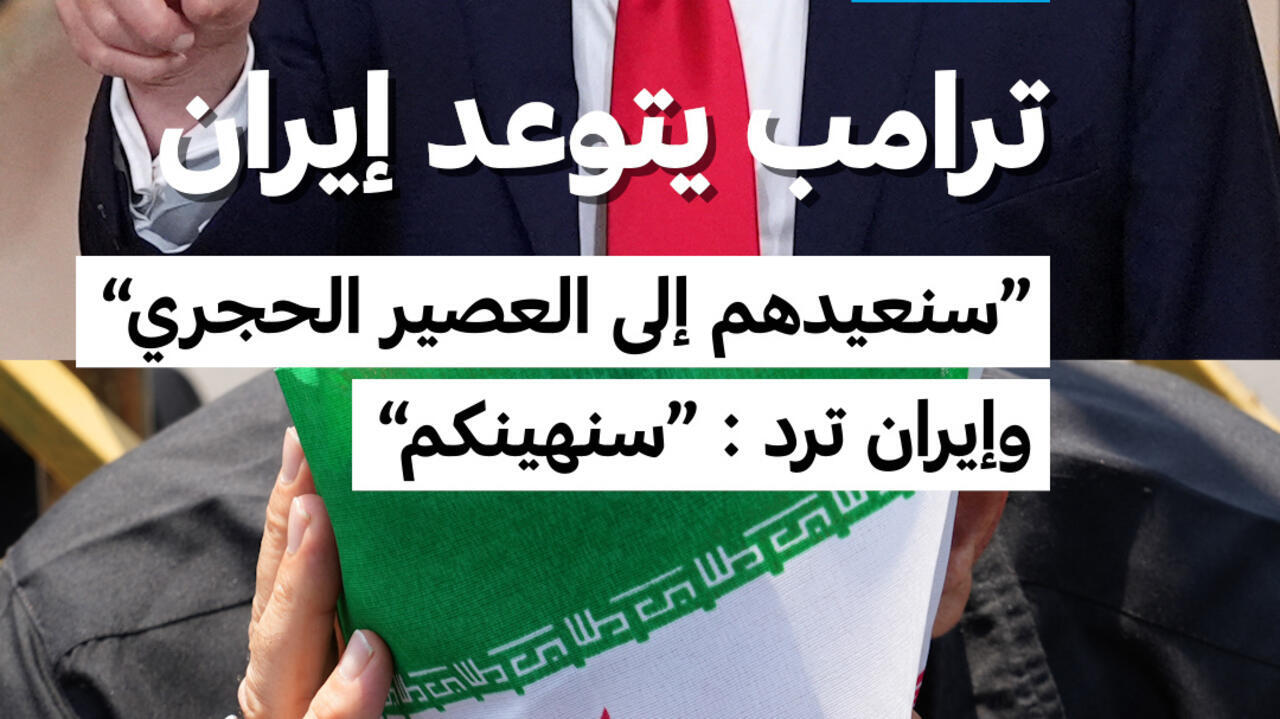
In a new escalation of tensions between the United States and Iran, U.S. President Donald Trump announced his country's intention to launch military strikes 'with great force' against Iran in the coming weeks. These statements come at a sensitive time, as tensions in the Middle East escalate, raising fears of a military escalation that could affect other countries in the region.
In response, Tehran has threatened to humiliate the United States, promising to carry out more destructive military operations if any attacks are launched against it. These statements reflect a growing polarization between the two sides, as each seeks to demonstrate strength and deterrence.
Details of the Event
Trump's statements came during a press conference, where he emphasized that the United States would not hesitate to use force against any threats it faces. He indicated that Iran could be responsible for attacks on American interests in the region, necessitating a strong response. In contrast, Tehran confirmed that it would not stand idly by in the face of any aggression and would respond appropriately to any attack.
This escalation occurs amid increasing tensions between the United States and Iran, especially following Washington's withdrawal from the Iranian nuclear deal in 2018, which led to the reimposition of harsh economic sanctions on Tehran. These sanctions have significantly impacted the Iranian economy, exacerbating tensions between the two sides.
Background & Context
Historically, U.S.-Iranian relations have witnessed numerous fluctuations, starting with the Islamic Revolution in 1979, which led to the severing of diplomatic relations between the two countries. Since then, there have been several crises, including the hostage-taking of American citizens in Tehran, the Iran-Iraq War, and the Iranian nuclear program.
In recent years, tensions have escalated significantly, with the United States accusing Iran of supporting armed groups in the region, such as Hezbollah in Lebanon and the Houthis in Yemen. These accusations have intensified the conflict between the two sides, leading to repeated military escalations in the region.
Impact & Consequences
If Trump's threats are carried out, it could lead to a widespread military escalation in the region, potentially affecting both regional and international security. Any military strike is likely to provoke a violent reaction from Iran, which could draw other countries into the conflict.
Moreover, any military escalation could significantly impact oil prices and global financial markets, as the Gulf region is considered one of the most important oil-producing areas in the world. Any threats or military escalation could lead to rising oil prices, affecting the global economy.
Regional Significance
The neighboring Arab countries of Iran and the United States are in a sensitive position, as they may be directly affected by any military escalation. Countries such as Iraq, Syria, and Lebanon could find themselves in the line of fire, complicating the security situation in the region.
Any escalation could lead to an influx of refugees and increased sectarian tensions in the region, which could impact the political and economic stability of Arab countries. Therefore, the situation requires an urgent diplomatic solution to avoid any escalation that could lead to a humanitarian disaster.
In conclusion, the situation in the Middle East remains complex, with political and military interests intertwining in a way that makes it difficult to predict what will happen in the future. The mutual statements between Trump and Tehran indicate that matters may be heading towards greater escalation, requiring international intervention to prevent further deterioration of the situation.