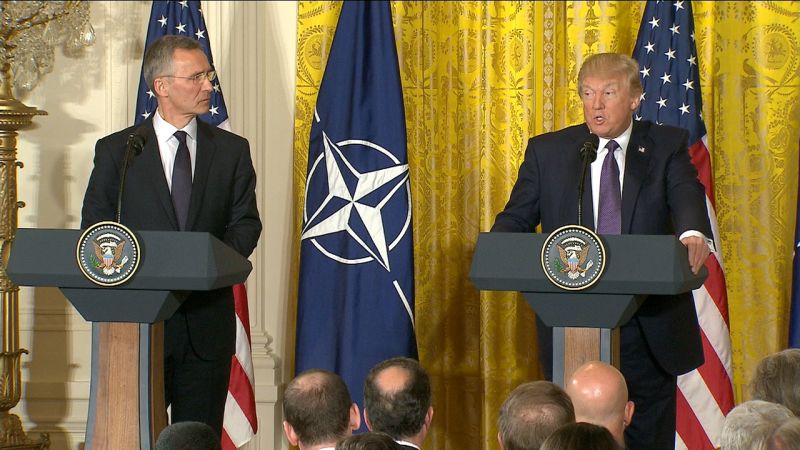
U.S. President Donald Trump has warned that the future of the NATO alliance will be 'very bad' if allies do not take action to secure the Strait of Hormuz. This statement was made by Trump as he called on China to participate in securing this vital corridor, at a time when Japan and Australia are refusing to send warships to the area.
Trump's remarks are part of a series of pressures he is exerting on allied nations, as he seeks to enhance military cooperation in the Gulf region. This warning comes at a time of increasing tensions in the area, raising concerns about the security of navigation in the Strait of Hormuz, which is one of the most important waterways in the world.
Details of the Event
Amid escalating tensions in the Gulf region, Trump urged his allies to take immediate steps to ensure the safety of navigation in the Strait of Hormuz. He indicated that failure to act could have dire consequences for NATO's security, undermining the alliance's ability to confront global challenges. He also emphasized the importance of international cooperation, stressing that China needs to play a larger role in securing this vital corridor.
Japan and Australia, both allied nations of the United States, have refused to send warships to the region, complicating the situation further. This refusal reflects the challenges the United States faces in rallying international support for its military initiatives in the Gulf.
Background & Context
The Strait of Hormuz is a vital transit point for oil and natural gas, with nearly 20% of the world's total oil passing through it. Historically, the strait has witnessed numerous crises and tensions, especially amid regional conflicts and disputes among major powers. In recent years, tensions have increased due to Iranian activities in the region, prompting the United States to bolster its military presence.
Trump's statements are part of a broader strategy to enhance American influence in the Gulf, as he seeks to forge new alliances to address security challenges. His call for China to participate reflects the United States' desire to engage major powers in international security issues.
Impact & Consequences
Trump's remarks could lead to heightened tensions between the United States and its allies, especially if countries continue to refuse military participation. This could weaken NATO's position and affect regional stability. Additionally, Trump's invitation to China may open a new avenue for cooperation or conflict, depending on how Beijing responds.
If tensions in the Strait of Hormuz persist, this could directly impact oil prices and global markets, reflecting on the world economy. Any escalation in the region could lead to widespread security ramifications, including an increase in attacks on commercial vessels.
Regional Significance
The Gulf region is one of the most sensitive areas in the world, where regional and international interests intersect. Any escalation in tensions could affect neighboring Arab countries, particularly those reliant on oil exports. Moreover, the deteriorating security situation could lead to an influx of refugees and increased internal tensions in some countries.
Ultimately, the question remains about how different nations will respond to these calls and whether the United States will succeed in forming new alliances to address security challenges in the region. The future and security of the Strait of Hormuz will remain a focal point of global interest in the coming period.