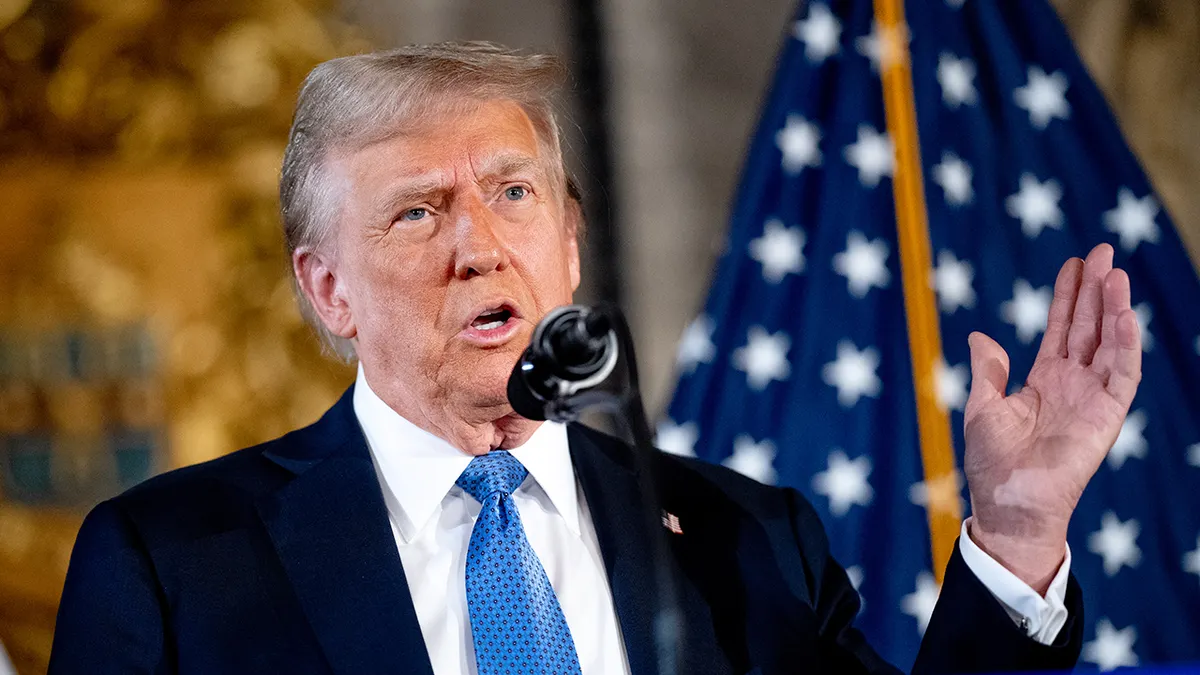
U.S. President Donald Trump has warned Iran that they have only 48 hours to reach an agreement to end the ongoing conflict that has lasted for over a month. In his statements, Trump emphasized that failing to reach an agreement would lead to dire consequences for Iran, warning that "hell" would await them if they do not respond.
These remarks come at a sensitive time in the region, as tensions between the United States and Iran escalate. Trump indicated that this deadline represents a final opportunity for Tehran to avoid military escalation, which could have serious implications for regional and international security.
Details of the Situation
Concerns are mounting over the intensifying conflict between the United States and Iran, with Washington accusing Tehran of supporting armed groups in the region, further heightening tensions. The past weeks have seen an escalation in military operations, prompting Trump to adopt a tougher stance against Iran.
At the same time, the U.S. administration is seeking to strengthen its position in negotiations, hoping to pressure Iran to return to the dialogue table. Trump noted that time is running out, increasing the pressure on the Iranian government.
Background & Context
The roots of the conflict between the United States and Iran date back several decades, with relations between the two countries deteriorating significantly since the Islamic Revolution in 1979. Since then, the United States has imposed stringent economic sanctions on Iran, severely impacting its economy.
In recent years, tensions have escalated further, especially following the U.S. withdrawal from the Iranian nuclear deal in 2018. Since then, Iran has taken steps to reduce its commitments under the agreement, raising international concerns about its nuclear program.
Impact & Consequences
If Iran fails to reach an agreement within the specified timeframe, it could lead to military escalation in the region. Many experts have warned that any military action could destabilize the Middle East, which is already suffering from conflicts and wars.
Moreover, escalation could impact global oil prices, as Iran is one of the largest oil producers in the world. Any disruptions in Iranian oil production could lead to price hikes, affecting the global economy.
Regional Significance
Arab countries are significantly affected by the tensions between the United States and Iran. Many nations in the region fear that any escalation could destabilize their own security. Countries like Iraq, Syria, and Lebanon are among the most affected by the conflict, as armed groups supported by Iran operate within their borders.
Additionally, Gulf states, which are U.S. allies, are closely monitoring the situation, fearing that any escalation could threaten their security and stability. Consequently, any developments in this conflict could have far-reaching effects on the entire region.
In conclusion, the situation in the Middle East remains complex, with political and economic interests intertwined. As the deadline approaches, hopes remain pinned on reaching an agreement that ensures peace and stability in the region.