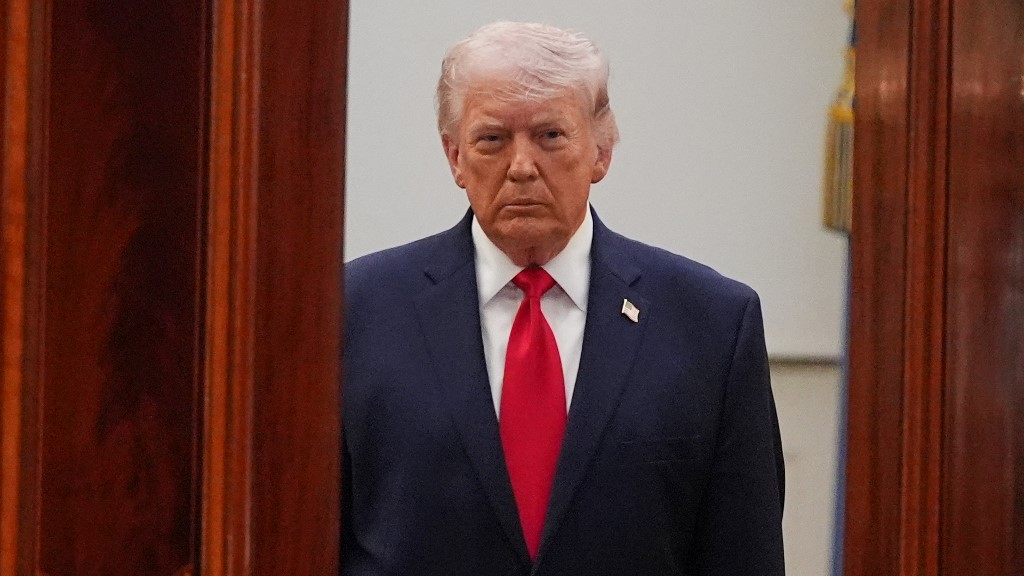
In a controversial statement, U.S. President Donald Trump warned Iran to "open the Strait of Hormuz" or face "hell," through a post on Truth Social. These remarks reflect rising tensions in the region, as the Strait of Hormuz is a critical point for global energy transport.
Trump, who used vulgar language in his post, threatened to destroy Iran's energy and transport infrastructure if Tehran does not comply with his demands. He concluded his post with the phrase "thank God," raising questions about his true intentions.
Details of the Incident
These threats come at a sensitive time, as the Strait of Hormuz was closed following attacks by the United States and Israel on Iran in late February. This strait is a lifeline for many countries around the world that rely on oil and gas, making its reopening a primary goal for Trump and the international community.
On Sunday, Oman announced that it had held talks with Iran about the possibility of reopening the strait. Representatives from the foreign ministries of both countries participated in the meeting, where potential options for reopening the waterway were presented.
Background & Context
Historically, the Strait of Hormuz has witnessed recurring tensions between Iran and the United States, as this waterway is a strategic point for oil transport. For a long time, the United States has sought to reduce Iran's influence in the region, leading to heightened military and political tensions.
In recent weeks, threats have increased from both sides, with Iran issuing a maritime protocol with Oman to oversee traffic in the strait following the end of the conflict with the United States and Israel. An Iranian parliamentary committee also voted to impose fees on vessels in the strait, reflecting the rising economic tensions as well.
Impact & Consequences
Trump's threats represent a serious escalation in the ongoing conflict, potentially leading to military responses from Iran. This situation raises significant concerns in global markets, as many countries depend on energy supplies from this region. Any escalation in the conflict could lead to rising oil prices and increased instability in financial markets.
Moreover, U.S. threats may strengthen Iran's alliances with other countries in the region, complicating the geopolitical situation further. Countries like Russia and China may become concerned about increasing U.S. influence in the area, which could drive them to support Iran more robustly.
Regional Significance
For Arab countries, the rising tensions in the Strait of Hormuz pose a direct threat to security and stability. Many Gulf countries rely on oil exports through this strait, and any closure could lead to severe economic crises. Additionally, any military escalation could impact regional security, increasing risks for neighboring countries.
In conclusion, this situation represents a turning point in U.S.-Iran relations and reflects ongoing tensions in the region. The international community must urgently intervene to prevent escalation and achieve stability in the area.