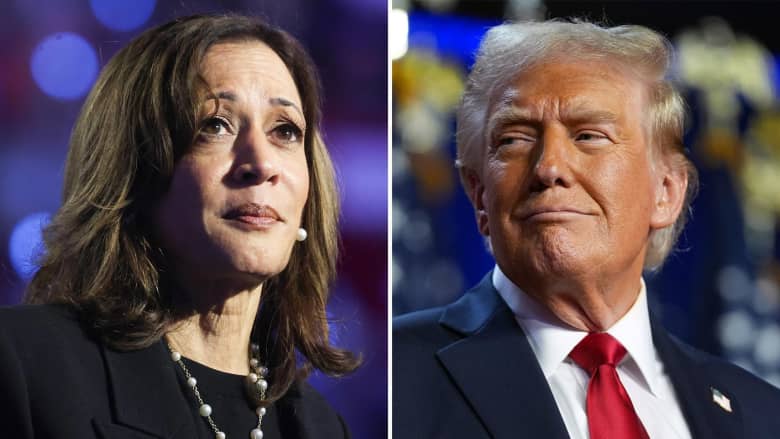
U.S. President Donald Trump asserted that ongoing discussions between the United States and Iran must be taken seriously, warning Israeli leaders against attempting to influence U.S. domestic policy to obstruct any potential agreement. This statement comes after three weeks of escalating tensions in the region, marking the first time Trump has spoken seriously about the importance of dialogue with Tehran.
Trump's remarks come at a sensitive time, as U.S.-Iran relations are increasingly strained, raising fears of potential military escalation. He indicated that talks with Iran require caution and deep thinking, given the current circumstances in the region.
Details of the Statement
In comments made yesterday, Trump stated that negotiations with Iran could be "strong," but he warned that any agreement must have limited guarantees. This warning comes as pressures mount on the Trump administration from certain Israeli leaders who prefer a more hardline stance towards Iran.
Trump, who is known for frequently changing his positions, appears to be seeking a balance between internal and external pressures. He noted that any attempt by Israel to influence American policy could lead to counterproductive outcomes.
Background & Context
Historically, relations between the United States and Iran have been tense since the Islamic Revolution in 1979. These relations have seen numerous fluctuations, including the imposition of economic sanctions on Tehran and attempts to reach a nuclear agreement. The nuclear deal reached in 2015 was a significant step towards improving relations, but it collapsed following the U.S. withdrawal in 2018.
In recent years, tensions have escalated significantly, particularly with the rise of Iranian military activities in the region. This has led to calls from some Israeli leaders for increased pressure on Iran, placing the Trump administration in a difficult position.
Impact & Consequences
Trump's warnings to Israeli leaders may reflect the U.S. administration's desire to avoid further escalation in the region. This could impact U.S.-Israeli relations, as some Israeli leaders may feel inadequately supported in their stance towards Iran.
Any potential agreement with Iran could lead to radical changes in regional policy, affecting U.S. allies in the area. Additionally, the success of the talks could open the door for improved relations between Iran and Arab countries, potentially altering the dynamics of conflict in the region.
Regional Significance
For Arab countries, any progress in talks between the United States and Iran could have significant implications. Gulf states, in particular, are closely monitoring these developments, as they are concerned about any rapprochement between Washington and Tehran.
The success of the negotiations could ease tensions in the region, contributing to the stabilization of security and economic conditions. However, failure to reach an agreement could lead to greater escalation, threatening regional security.
In conclusion, the situation in the Middle East remains complex, with political and economic interests intertwined. Trump's statements reflect the challenges faced by the U.S. administration in dealing with Iran and highlight the importance of dialogue in achieving peace and stability in the region.