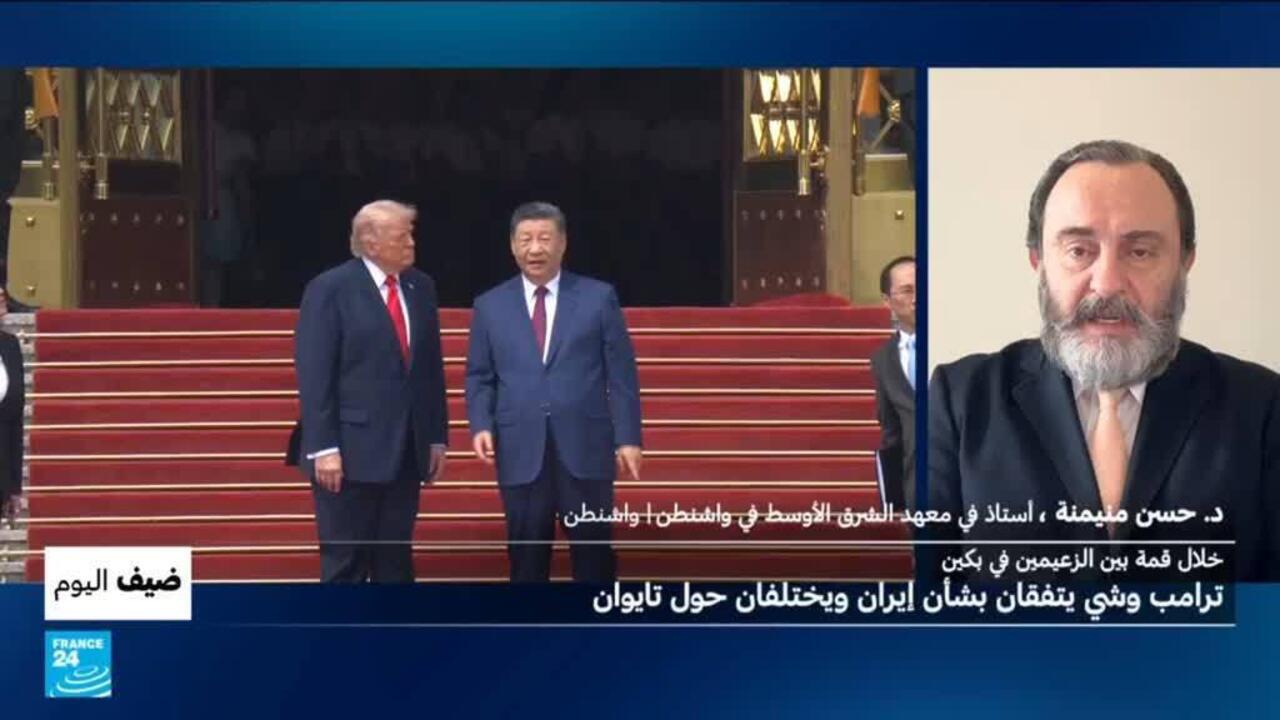
At the start of a two-day summit, Chinese President Xi Jinping confirmed progress in trade talks with U.S. President Donald Trump. However, Xi warned that disagreements over the Taiwan issue could push bilateral relations onto a dangerous path, threatening regional stability.
After the meeting, a White House official reported that the leaders agreed on the importance of keeping the strait open, reflecting their commitment to enhancing cooperation in trade and security. They also emphasized the necessity of preventing Iran from acquiring nuclear weapons, which is a significant point of consensus between the two sides.
Details of the Event
This summit comes at a sensitive time for U.S.-China relations, as tensions rise over a range of issues, including trade, human rights, and regional security. Xi Jinping noted that trade talks have made progress, reflecting both sides' desire to improve economic relations.
Nevertheless, the Taiwan issue remains a major point of contention. Xi warned that any escalation on this front could have dire consequences, indicating that relations between the two countries could head toward conflict if this sensitive issue is not handled carefully.
Background & Context
Historically, U.S.-China relations have been volatile, experiencing periods of cooperation and periods of tension. The Taiwan issue, which China considers an integral part of its territory, represents one of the most prominent points of disagreement. In contrast, the United States supports Taiwan through military and political backing, which exacerbates tensions.
In recent years, trade relations between the two countries have seen significant fluctuations, with the U.S. imposing tariffs on Chinese goods, leading to reciprocal reactions. However, both sides appear to be currently seeking to improve trade relations, which could help alleviate tensions.
Impact & Consequences
This summit is an important step in attempting to ease tensions between the world's two largest economies. If the leaders can make progress in trade talks, it could lead to improved economic conditions in both countries and enhance stability in global markets.
However, the disagreement over Taiwan remains a major obstacle. Any escalation on this issue could negatively impact bilateral relations and increase tensions in the Pacific region, which could reflect on regional and international security.
Regional Significance
The U.S.-China relationship is of great importance to the Arab region, as any changes in this relationship could affect investments and trade in the area. Additionally, the stability of relations between these two superpowers could contribute to enhancing security and stability in the Middle East.
Furthermore, the U.S. stance on Iran directly affects Arab countries, as many seek to enhance their cooperation with Washington in facing the security challenges posed by Iran.
In conclusion, the Trump-Xi Jinping summit represents an opportunity to enhance dialogue and cooperation between the world's two largest economies, but challenges remain, particularly regarding the Taiwan issue.