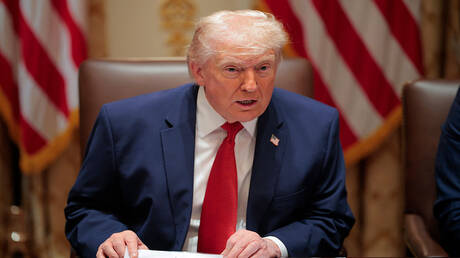
Recent opinion polls have shown a notable decline in the approval rating of U.S. President Donald Trump, with this rating approaching its lowest levels during his second term. This drop comes amid rising military and political tensions concerning Iran, prompting questions about how these crises will affect the U.S. economy and Trump's standing in the upcoming elections.
Data indicates that Trump's approval rating has fallen to unprecedented levels, as he faces increasing criticism for his foreign policies, particularly those related to Iran. Polls reveal that many voters are concerned about the escalating tensions in the region, which could negatively impact the U.S. economy and affect Trump's chances for reelection.
Details of the Event
According to recent opinion polls, Trump's approval rating has dropped to around 40%, marking the lowest level since he took office. This decline occurs at a sensitive time, as Trump faces mounting pressure from both Democrats and Republicans, who accuse him of ineffective management of foreign crises.
Tensions with Iran have significantly increased, with fears of a potential military conflict rising. These conditions have impacted financial markets, heightening voter concerns regarding economic stability. Additionally, Trump is facing criticism over his handling of these crises, further intensifying the pressure on him during this period.
Background & Context
Since taking office, Trump has encountered numerous challenges, ranging from immigration issues to trade tensions with China. However, the situation in the Middle East, particularly with Iran, is regarded as one of the most complex issues. Trump withdrew from the Iranian nuclear deal in 2018, which led to heightened tensions between the two countries.
Historically, U.S.-Iranian relations have been strained since the 1979 Islamic Revolution, but Trump's escalation of economic and military pressures has intensified these tensions. With the presidential elections approaching, it appears that these issues will significantly influence the election outcomes.
Impact & Consequences
The decline in Trump's approval ratings could have significant repercussions for the upcoming elections. If this trend continues, it may lead to Republicans losing seats in Congress, potentially altering the dynamics of American politics. Moreover, the growing concern regarding Iran could affect Trump's electoral strategies, as he may need to reassess his foreign policies.
Furthermore, the economic impact of foreign crises may have a direct effect on the lives of American citizens. Rising oil prices due to tensions in the Middle East could lead to increased living costs, further fueling voter dissatisfaction.
Regional Significance
The tensions between the United States and Iran are a sensitive issue that affects stability in the Arab region. Many Arab countries are closely monitoring the developments, as any escalation could lead to unforeseen consequences for regional security.
These crises may also impact the relationships between Arab countries and the United States, as some nations might need to reevaluate their alliances based on how events unfold. In this context, it may be crucial for Arab countries to adopt effective diplomatic strategies to address these challenges.
In conclusion, the decline in Trump's approval ratings amid foreign crises indicates significant challenges he may face in the future. As tensions with Iran escalate, the impact of these conditions on U.S. domestic and foreign policy will be pivotal in the coming months.