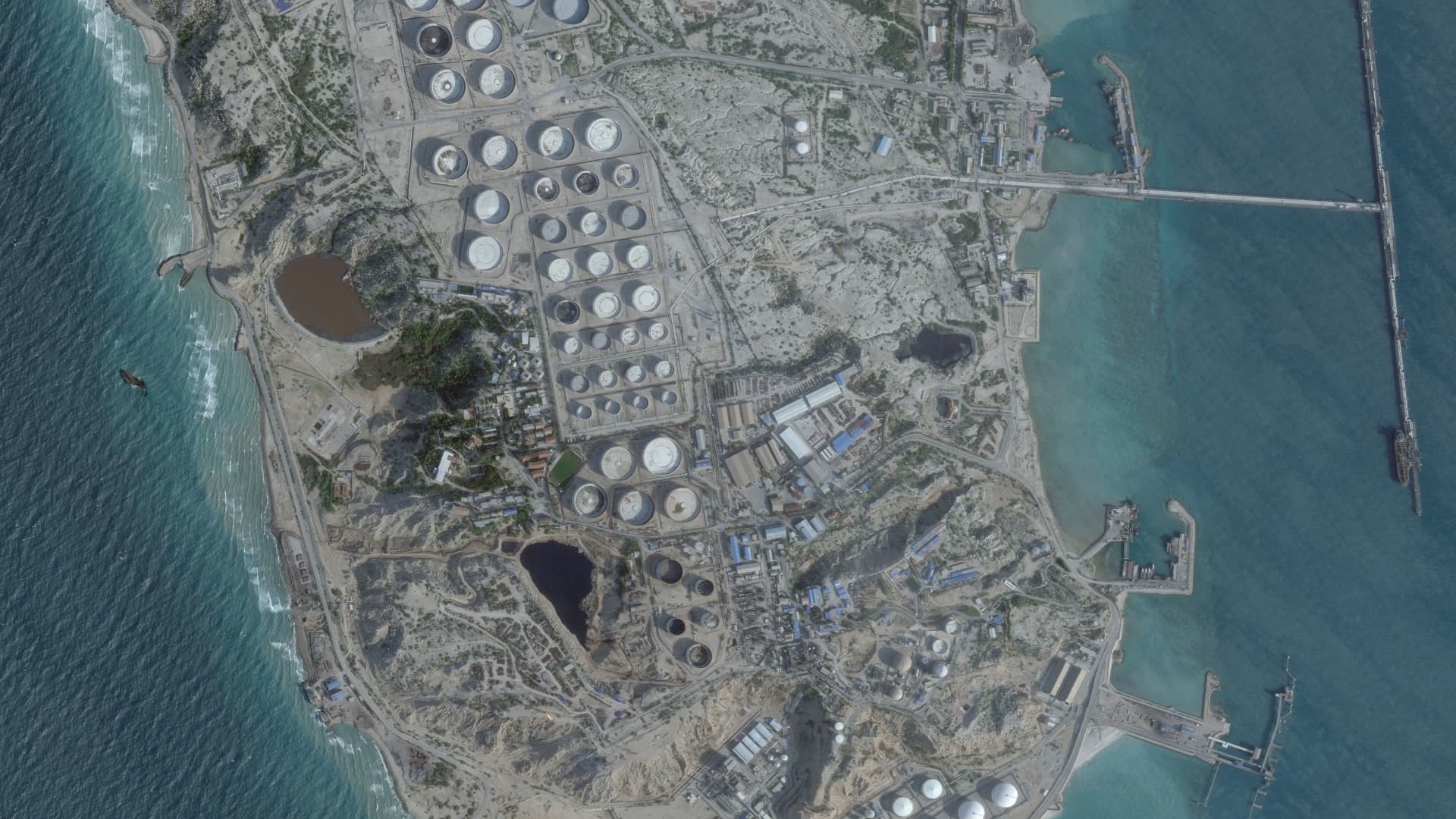
U.S. President Donald Trump's remarks about wanting to 'take Iran's oil' have sparked new worries in global markets as tensions rise with the U.S. preparing to increase its military presence in the region. These comments come at a time when attention is turning to the possibility of direct talks with Iran, adding to the confusion among investors.
In an interview with The Financial Times, Trump indicated that 'my favorite thing is to take the oil in Iran,' reflecting a potential escalation in the conflict with Iran, particularly regarding the seizure of the Iranian energy export hub, Kharg Island. Nevertheless, Trump affirmed that indirect talks with Iran are progressing well and that 'an agreement could be reached quickly.'
Details of the Situation
These statements come as the Pentagon prepares for potential ground operations in Iran, with reports indicating that thousands of U.S. soldiers and Marines are heading to the Middle East. These military movements suggest a possible escalation in the conflict, raising concerns about greater disruptions in supply chains and rising global prices.
Oil prices have recorded a new increase, as Iran-backed Houthis launched missiles at Israel, marking their first direct intervention in the conflict. Asian markets have sharply declined as the Middle East war enters its fifth week, despite efforts to find a diplomatic solution.
Background & Context
Historically, U.S.-Iranian relations have been tense since the Islamic Revolution in 1979, witnessing periods of military escalation and political tensions. In recent years, these tensions have particularly escalated following the U.S. withdrawal from the Iranian nuclear deal in 2018, leading to the imposition of stringent economic sanctions on Tehran.
Iran is considered one of the largest oil producers in the world, and any military escalation could significantly impact global energy markets, especially given the current conditions in the Middle East. The Strait of Hormuz, through which about 20% of the world's oil passes, is a critical point in this context.
Impact & Consequences
Trump's recent statements underscore that the conflict with Iran could evolve into a long-term crisis, significantly affecting global markets. Companies and institutions are bracing for a world where conflict and volatility in oil prices may become a constant challenge, impacting travel plans, mail delivery, and other services.
At the same time, analysts expect that ongoing tensions will lead to rising oil prices, which could negatively impact the economies of oil-importing countries and increase the cost of living for citizens.
Regional Significance
For Arab countries, escalating tensions in the region could exacerbate economic and social crises. Many Arab nations heavily rely on oil as a primary source of revenue, and any increase in prices could affect their public budgets.
Moreover, the ongoing conflict could lead to an influx of refugees and increased sectarian tensions in the region, complicating the political and economic situations further.
In light of these tense circumstances, the question remains how markets and countries will deal with these challenges, and whether there is a possibility for peace and stability in the region.