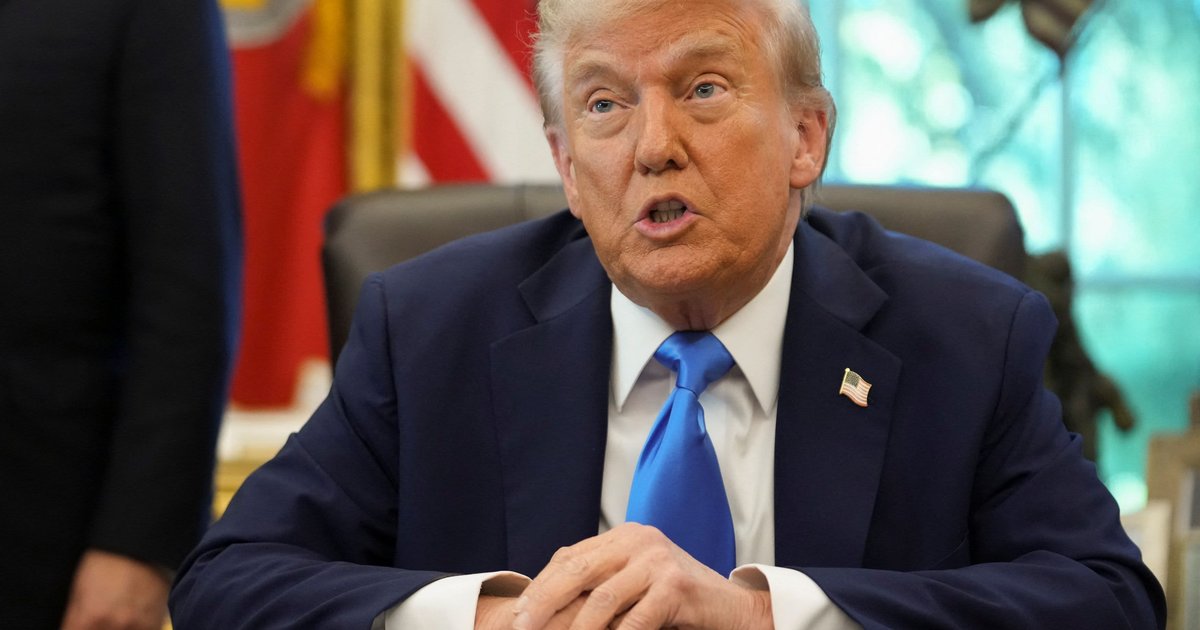
Former U.S. President Donald Trump has become a prominent figure in regulating the technology sector, with his interventions demonstrating a broader and deeper scope than any previous efforts made by the European Union. These interventions come at a time when the world is experiencing a rapid digital transformation, raising questions about how these policies will affect the future of innovation in this vital sector.
In recent years, Trump has made a series of decisions that have significantly impacted major technology companies such as Facebook, Amazon, and Google. These decisions have led to radical changes in how these companies operate, placing them under greater pressure to comply with U.S. government requirements.
Details of the Interventions
Trump's interventions include imposing restrictions on certain Chinese applications, such as TikTok, which has sparked widespread debate over privacy and national security. He has also launched campaigns against major technology companies, accusing them of bias against conservatives, leading to heightened tensions between the government and the private sector.
Moreover, Trump has directed sharp criticisms at technology companies' content moderation policies, resulting in discussions about freedom of expression and censorship. These interventions are not limited to the United States; they have also influenced how other countries interact with technology companies.
Background & Context
Since the beginning of the millennium, the technology sector has witnessed unprecedented growth, leading to new challenges related to privacy and security. In this context, the European Union began taking steps to regulate this sector, such as the General Data Protection Regulation (GDPR), which came into effect in 2018.
Despite these efforts, Trump's interventions are considered more comprehensive, involving strategies aimed at protecting the U.S. market from external competition, especially from Chinese companies. This dynamic reflects the increasing rivalry between major global powers, as each side seeks to strengthen its position in the digital economy.
Impact & Consequences
Trump's policies significantly affect U.S. companies, as they may need to reassess their strategies to adapt to the new regulatory environment. Additionally, these interventions could lead to increased operational costs, impacting innovation and growth in the sector.
Furthermore, these policies may exacerbate tensions between the United States and China, potentially affecting global trade. Under these circumstances, companies must be more cautious in their international strategies, particularly in highly competitive markets.
Regional Significance
The Arab region is part of the global digital economy, with continuous investments in technology. As Trump's interventions escalate, Arab companies may find themselves in a challenging position, needing to adapt to changes in U.S. policies.
This dynamic may also affect trade relations between Arab nations and the United States, necessitating a reevaluation of cooperation strategies in technology. Ultimately, Arab countries must be prepared to face new challenges that may arise as a result of these policies.
Trump's interventions in the technology sector represent a significant shift in how this sector is regulated, raising questions about the future of innovation and privacy. In light of this changing dynamic, all stakeholders must be ready to adapt to new challenges.