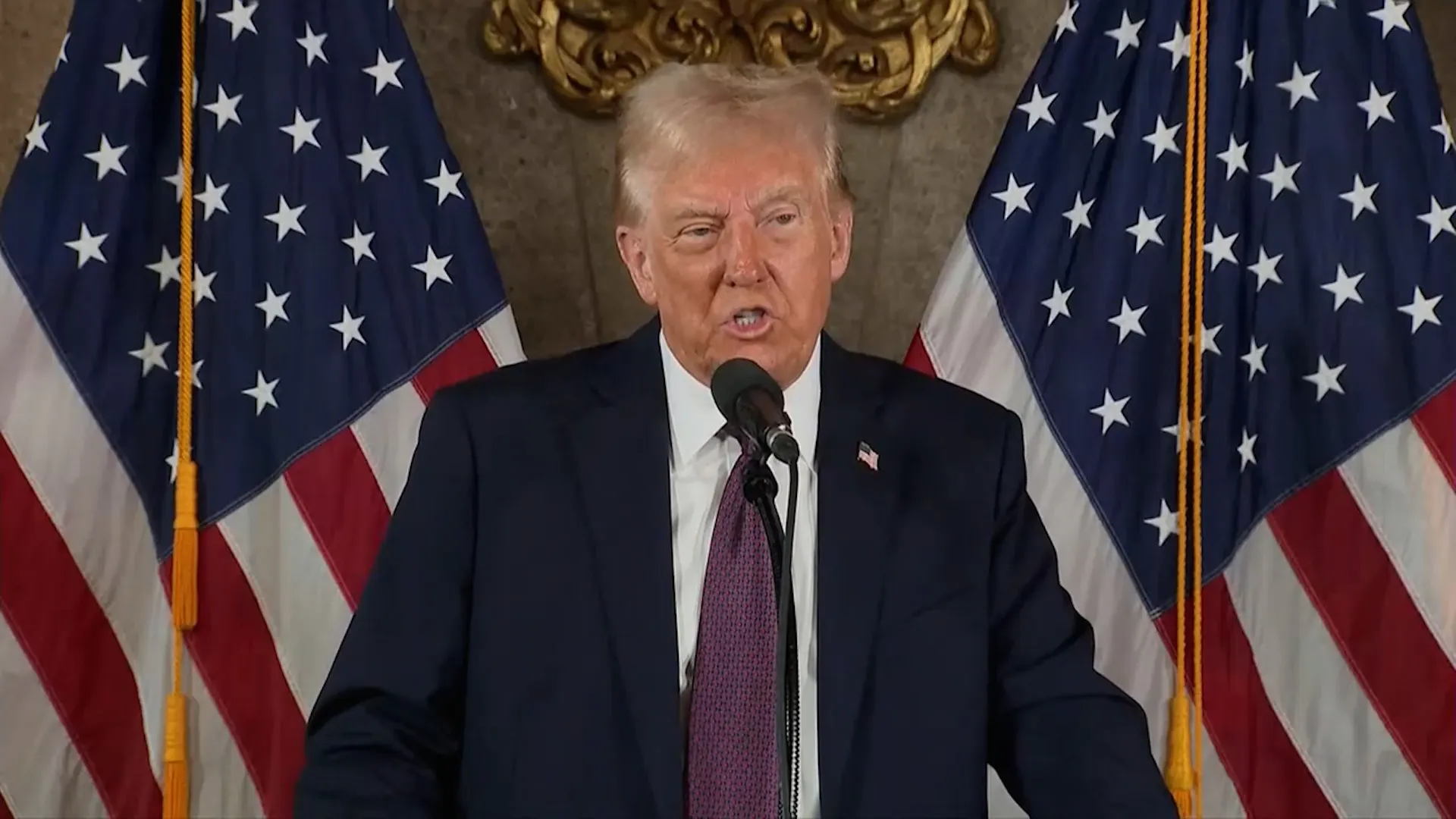
The Economist raises concerns about President Donald Trump's deployment of U.S. forces and warships in the Gulf region, questioning the clarity of his strategy towards Iran. The report emphasizes that ground troop deployments often lead to unsatisfactory outcomes for the United States, as America has found itself embroiled in complex conflicts in Vietnam, Iraq, and Afghanistan.
As tensions escalate between the United States and Iran, the question arises as to whether Trump has a clear plan for the use of these forces. The report suggests that the American historical precedent of deploying ground troops shows that such actions often escalate conflicts rather than resolve them.
Details of the Current Situation
These developments come at a sensitive time, as the United States seeks to bolster its military presence in the Arabian Gulf amid concerns over increasing Iranian activities in the region. U.S. naval and aerial movements have been observed, reflecting Washington's anxiety over potential threats posed by Iran to its interests and those of its allies in the region.
Reports indicate that Trump may have made this decision as part of his strategy to pressure Iran, but the lack of a clear plan could exacerbate the situation. In this context, many analysts question the effectiveness of these steps in achieving American objectives in the region.
Background & Context
Historically, the United States has engaged in military interventions in several countries, but the outcomes have varied. In Vietnam, for instance, the U.S. suffered heavy losses, leading to a decline in public support for military interventions. In Iraq and Afghanistan, the U.S. found itself in prolonged conflicts, raising questions about the efficacy of these interventions.
These events coincide with rising tensions in the Middle East, where Iran seeks to enhance its regional influence, complicating the security landscape. Under these circumstances, it appears that the United States faces a significant challenge in defining its military strategy.
Impact & Consequences
If the United States continues to mobilize its forces without a clear plan, it may lead to heightened tensions in the region, negatively impacting regional security. Any military escalation could affect oil prices and financial markets, which in turn would impact the global economy.
On the other hand, the presence of U.S. forces in the Gulf may provoke reactions from Iran and its allies, potentially leading to undesirable military escalation. This situation could make it difficult for the United States to achieve its strategic goals in the region.
Regional Significance
The Arabian Gulf is considered one of the most sensitive regions in the world, where American and Iranian interests intersect. Any military escalation could significantly impact neighboring Arab countries, which may find themselves at the heart of the conflict.
Furthermore, the tensions between the United States and Iran could increase divisions within the region, negatively affecting peace and stability efforts. It is crucial for Arab states to maintain close communication with major powers to ensure that the situation does not worsen.
In conclusion, the question of American strategy in the Gulf remains open, as the current situation requires deep thinking and precise strategic planning to avoid falling into the trap of military conflicts.