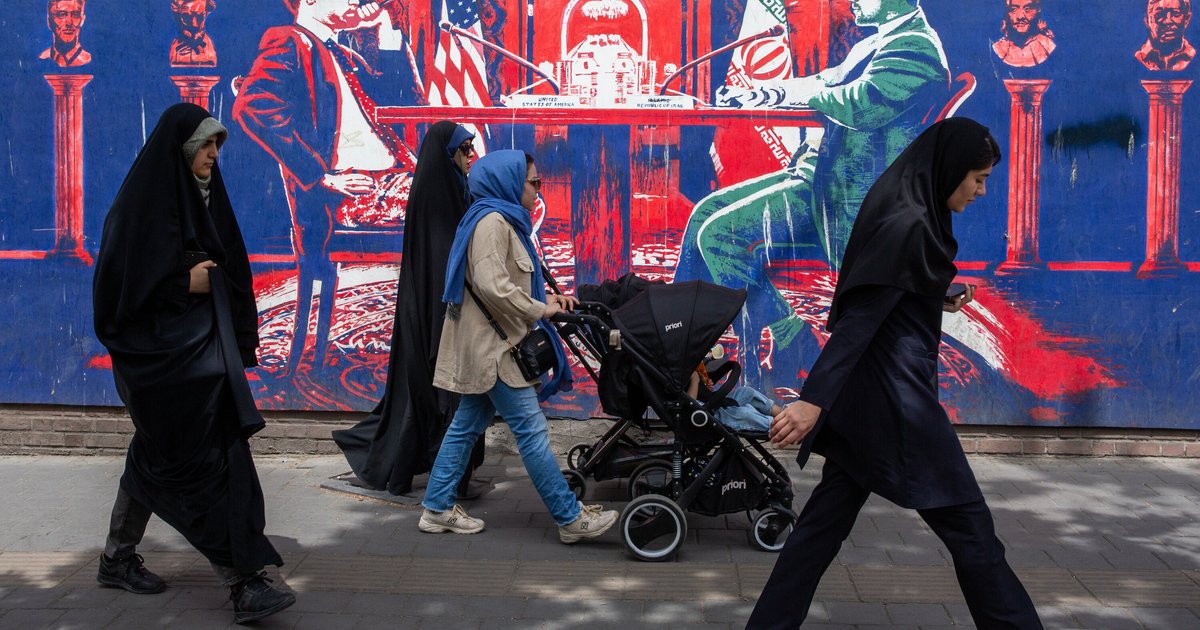
The focus is on the Trump administration, which is facing multiple military options amid rising tensions with Iran. As the United States continues to bolster its military presence in the Middle East, fears of a potential military escalation grow, which could have serious implications for regional and international security.
The military options being considered by the U.S. administration include executing preemptive strikes against Iranian nuclear facilities, increasing military forces in the region, supporting Washington's allies against Iranian threats, or even imposing stricter economic sanctions. Each option carries risks and challenges that could impact stability in the region.
Details of the Situation
These options come at a time when U.S.-Iranian relations are increasingly strained, especially after the United States withdrew from the Iranian nuclear agreement in 2018. Since then, the Trump administration has pursued a maximum pressure policy on Iran, leading to heightened military tensions between the two sides.
The U.S. military presence in the region includes deploying aircraft carriers and reinforcing troops at strategic military bases, reflecting Washington's commitment to protecting its interests and those of its allies in the Middle East. These military moves come as Iranian threats increase, whether through supporting armed groups in Iraq and Syria or through advancing its nuclear program.
Background & Context
Historically, U.S.-Iran relations have been tense since the Iranian Revolution in 1979. Since then, the region has witnessed numerous crises involving Iran, leading to repeated U.S. military interventions. The nuclear agreement reached in 2015 was an attempt to ease these tensions, but Trump's withdrawal has brought matters back to square one.
Today, Iran is considered one of the most internationally pressured countries, seeking to enhance its influence in the region by supporting its allies, complicating the security landscape in the Middle East. In this context, Trump's options emerge as a decisive factor in determining the future of U.S.-Iranian relations.
Impact & Consequences
If the Trump administration chooses to implement any of the military options, it could lead to significant military escalation in the region. Military strikes could provoke retaliatory responses from Iran, increasing tensions and putting U.S. forces in the region at risk. Furthermore, escalation could affect global oil prices and increase instability in financial markets.
Moreover, any military action could impact U.S. relations with its allies in the region, who may be concerned about the repercussions of such escalation. At the same time, it could strengthen Iran's domestic position, as the Iranian government could use any military action as a means to unite the populace around national issues.
Regional Significance
Arab countries are directly affected by any potential military escalation between the United States and Iran. Neighboring countries like Iraq and Syria could become battlegrounds, exacerbating the suffering of their populations. Additionally, escalation could lead to an influx of refugees and increased sectarian tensions in the region.
Under these circumstances, Arab countries must be cautious in dealing with these situations and strive to enhance regional cooperation to address security challenges. They should also maintain communication with major powers to avoid any escalation that could threaten regional security.
In conclusion, the military options of the Trump administration against Iran remain under the world's scrutiny, carrying risks and challenges that could impact security and stability in the Middle East.