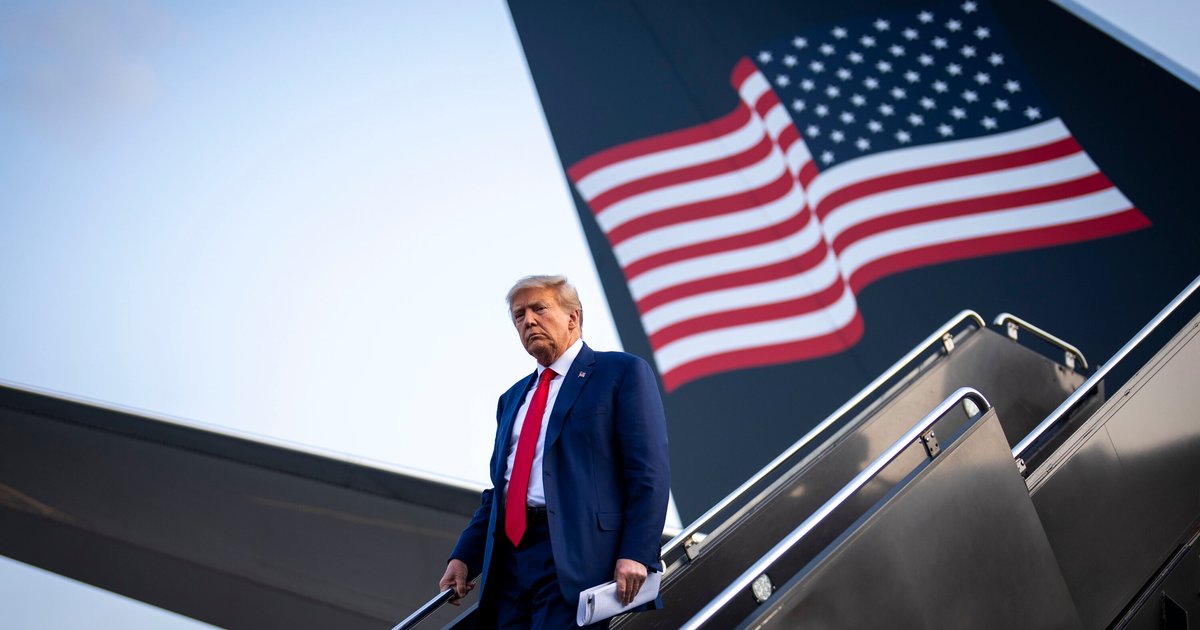
President Donald Trump has unveiled a new budget for 2025, featuring a spending increase of up to one trillion dollars. Despite promises to save 73 billion dollars through the 'DOGE' program, this amount appears minimal compared to the overall increase. This budget comes at a sensitive time for the American economy, as Trump aims to boost economic growth during the election period.
The new budget includes plans to increase spending on a range of government programs, including education, infrastructure, and healthcare. This move is seen as part of Trump's strategy to bolster public support and achieve positive results ahead of the upcoming presidential elections.
Details of the Budget Increase
The budget increase is distributed across several areas, with Trump aiming to improve public services and stimulate the economy through significant investments. These investments are expected to include the development of roads and bridges, as well as enhancements to the country's education system. A portion of the budget has also been allocated to support innovation and technology, which Trump considers essential for the future of the American economy.
Despite the substantial increase in spending, critics point out that this budget may lead to a rise in the financial deficit. There are concerns that this increase could negatively impact the economy in the long term, especially if the anticipated growth is not achieved. Some believe that these plans may merely be election promises aimed at attracting voters.
Context and Background
This budget comes in a complex historical context, as the American economy faces significant challenges following the COVID-19 pandemic. The country has seen rising unemployment rates and a decline in economic growth, prompting the government to take urgent measures to support the economy. Thus, Trump aims through this budget to restore confidence in the American economy and stimulate growth.
Historically, American budgets have been characterized by a balance between spending and revenue, but in recent years, the country has experienced a growing deficit. These budgets have sparked widespread debate among politicians and economists about how to achieve a balance between government spending and economic growth.
Implications and Effects
The new budget is expected to significantly impact the American economy, as the increase in spending may stimulate short-term growth. However, at the same time, it could lead to an increase in the financial deficit, raising concerns among investors and financial markets. Some consider this budget to be a risky move, especially if the desired economic goals are not met.
This budget may also affect international relations, as the increase in spending could lead to a shift in U.S. foreign policy priorities. This could have implications for trade and economic partnerships with other countries, particularly amid current tensions in international relations.
Impact on the Arab Region
For the Arab region, this budget may have multiple effects. The increase in American spending could strengthen economic ties with some Arab countries, especially those that rely on U.S. support. However, at the same time, the rising financial deficit could lead to a reduction in American aid to Arab countries, potentially negatively impacting economic stability in the region.
In conclusion, President Trump's new budget remains a contentious topic, carrying significant promises but also potential risks. It will be essential to monitor how this budget is implemented and its effects on the American economy and international relations.