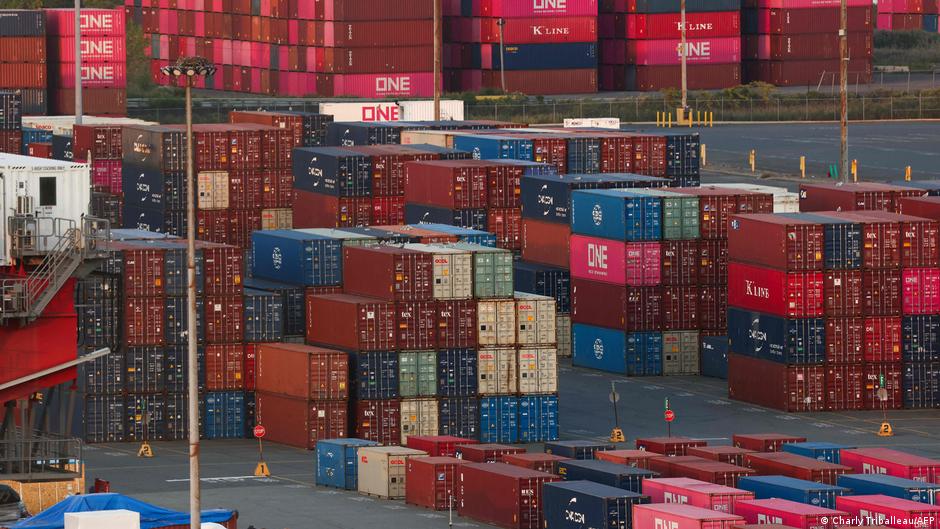
In an unprecedented move, U.S. President Donald Trump announced on April 2, 2025, the imposition of comprehensive tariffs under the banner of "Economic Liberation Day," setting a 10% tariff on all imported goods from other countries. This step shocked global markets and led to radical changes in trade flows.
One year after this announcement, trade data showed that many countries were significantly affected, as U.S. imports shifted from China to other countries such as Taiwan and Vietnam. The new tariffs also impacted trade relations between the U.S. and Canada, with Canadian exports to the U.S. dropping by $24 billion.
Details of the Event
Under the influence of the new tariffs, additional duties of up to 50% were imposed on 85 countries that exported more to the U.S. than they imported from it. This led to chaos in global markets, with stocks sharply declining. Despite Trump's assertion that "big businesses are not worried about the tariffs," he announced a temporary suspension of the higher tariffs on April 9.
During the suspension period, many countries, including the European Union and the United Kingdom, sought to negotiate new trade deals to mitigate the tariffs. However, negotiations with China remained tense, with tariffs being exchanged mutually.
Background & Context
Historically, the United States has relied on an open trade policy, but with Trump's entry into the White House, this policy began to change. In January 2025, Trump stated that "tariffs will make us rich," indicating a significant shift in U.S. economic policy.
American companies were significantly affected, as orders increased by 20% in the first three months of the year, leading to an additional import of goods worth $184 billion compared to the average in previous years.
Impact & Consequences
Although the tariffs aimed to protect American industry, the effects were complex. Studies showed that American companies attempted to shift their supply chains to countries with lower tariffs, resulting in a significant decrease in imports from China by $66 billion.
While U.S. customs revenues rose to $287 billion in 2025, the financial burden fell on American consumers, with additional costs estimated at around $1,000 per household.
Regional Significance
For Arab countries, changes in U.S. trade policy may affect their exports to the United States. Countries that rely on exporting to the American market may find themselves in a difficult position, necessitating the search for new markets or improving their trade relations with other countries.
In conclusion, it appears that the new tariffs have reshaped the global trade landscape, leaving countries in a state of uncertainty about how to adapt to this new economic system.